Gaining insight into employee sentiment is crucial for sustained organizational success. Data from a Gallup study reflects a significant challenge; globally, only one in four employees strongly agrees that their opinions count at work. This means the majority of staff feel their valuable suggestions and ideas for operational improvement are not being heard.
Your workforce holds invaluable perspectives and insights. These ideas could substantially transform organizational performance. Relying solely on an annual engagement survey limits your access to critical signals, which directly impact staff retention, productivity, and organizational health.
Employee listening requires creating structured, consistent channels to gather continuous feedback from your people. Move past the limitations of traditional, periodic surveys. Organizations that prioritize this continuous approach realize measurable improvements in engagement, performance, and retention rates.
This guide provides a systematic method for developing a robust employee listening strategy. It also identifies the essential tools required to support it effectively.
What Is Employee Listening (and Why It Matters More Than Ever)?
Employee listening refers to the systematic process of collecting, analyzing, and acting on feedback from your workforce. It includes:
Surveys
One-on-one conversations
360-feedback cycles
Open channels where employees can voice concerns or suggestions anytime
The goal is to understand what drives employee engagement, identify problems before they escalate, and build a culture where people feel heard.
The business case for employee listening has never been stronger. Organizations with effective listening strategies may expect significant benefits including higher engagement scores, lower turnover rates, and better business outcomes.
When employees know their input matters, they contribute more actively to their teams and stay longer with the company.
The Shift from Annual Surveys to Continuous Listening
Annual engagement surveys have significant limitations, including the following:
1. Time Limitations
Annual surveys capture a snapshot of sentiment only once per year. The results take months to process and distribute. By the time HR teams analyze the data and plan interventions, the issues are often historical rather than actionable.
2. Experience Gaps
Experience gaps emerge when a disconnect exists between employee needs and organizational support. These gaps widen when feedback is infrequent or action is slow. Staff feel ignored when concerns shared months ago remain unaddressed, damaging morale and trust.
3. Responsiveness
The slow annual cycle severely limits organizational responsiveness. Real-time issues, such as workload imbalances, cannot be spotted or addressed promptly. A lack of timely response builds distrust and signals that staff input is only valued during a specific review period.
Strong employee listening strategies produce tangible business results. When people feel heard, engagement rises naturally. Engaged employees are more productive, take fewer sick days, and contribute innovative ideas that move the company forward.
Belonging improves significantly when organizations createspaces where employee voices are heard. People who feel psychologically safe at work are more likely to share honest feedback, ask for help when needed, and support their colleagues. This sense of safety comes from knowing that feedback won't be ignored or punished.
Performance improves when listening informs decision-making. Leaders who understand what frustrates their teams can remove obstacles that slow work down. Managers who hear about skill gaps can provide targeted development opportunities. Teams that discuss challenges openly solve problems faster.
📚 Recommended Reading: We tested, reviewed, and ranked the best employee engagement software available today.
The Core Pillars of an Effective Employee Listening Strategy
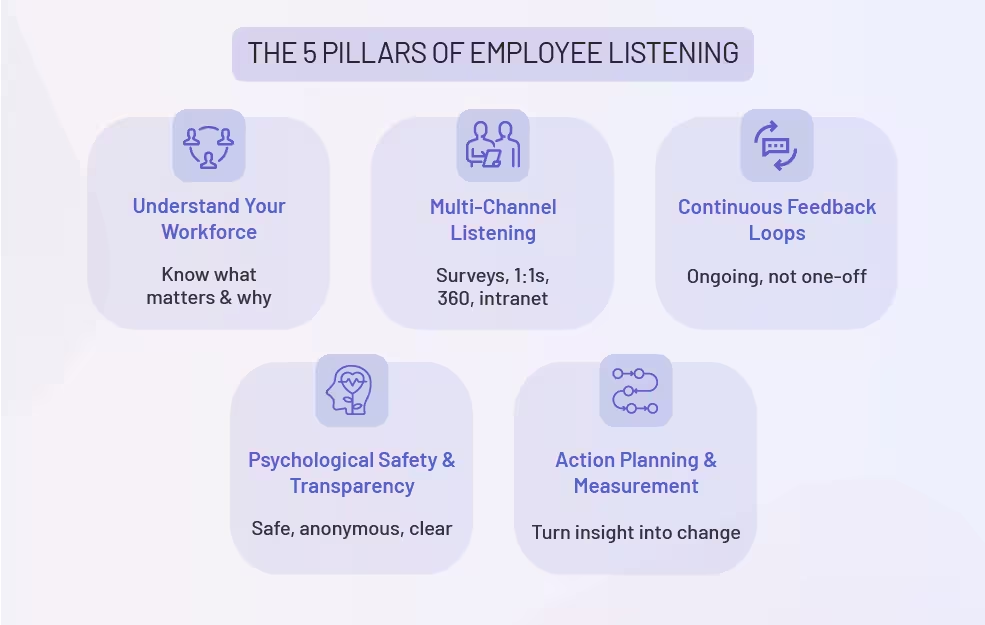
Building a listening strategy requires clear objectives, multiple feedback channels, and a commitment to action. These five pillars provide the foundation for a strategy that actually works.
1. Understand Your Workforce (the "What" & "Why")
Start by identifying what matters most to your staff. Different groups have different priorities; your strategy should reflect these needs.
Define Priorities: Base your listening goals on your organization’s specific challenges. If retention is low, focus on understanding exit drivers. If innovation has stalled, ask what prevents idea sharing.
Segment Staff: Don’t treat everyone the same. New hires need different support than tenured staff. Individual contributors face different challenges than people managers. Your approach must capture these nuances.
2. Multi-Channel Listening (Not Just Surveys)
Effective listening extends far beyond the traditional annual survey. Use varied methods to gather comprehensive data.
Pulse Surveys: These provide quick temperature checks on specific, timely topics, such as a recent policy change. They are short and delivered at regular intervals.
360-Degree Feedback: This captures perspectives from peers, direct reports, and managers. It reveals how individuals are perceived across the organization and identifies key development areas.
One-on-One Conversations: These discussions between managers and employees surface critical concerns that staff might not share in a written survey, such as career path or interpersonal challenges
Always-On Channels: Internal forums or intranet spaces allow staff to share feedback whenever they need to. Idea boards and discussion threads surface issues that structured surveys may miss.
Peer Recognition: This provides indirect data, signaling what your culture values. Patterns in recognition highlight teams or individuals who may need more support.
Performance Review Feedback: Formal review cycles capture structured data about goal alignment and manager effectiveness, tying feedback directly to business outcomes.
3. Continuous Feedback Loops
Continuous listening means creating regular touchpoints across the employee lifecycle.
Triggered Surveys: These surveys activate at key moments, such as after onboarding or following a major organizational change. This captures sentiment when it is most relevant.
Real-Time Channels: Options like quick polls and comment threads provide immediate outlets for concerns. Integrating these into tools like Microsoft Teams places the channel where people already work.
Manage Cadence: Too many surveys lead to fatigue and low response rates. Too few make employees feel unheard. Success often involves monthly or quarterly pulse surveys supplemented by always-on channels.
4. Psychological Safety & Transparency
Trust forms the foundation of effective listening. Without trust, staff will remain silent or offer useless platitudes.
Safety First: Use anonymous feedback options to allow staff to share difficult truths without risking their careers or professional standing.
Clear Communication: Explain how feedback will be used. Detail who reviews the data, how decisions are made, and what types of changes staff should expect.
Close the Loop: Demonstrate that listening leads to action. After collecting feedback, share what was learned and what action is planned. Acknowledging input, even if a suggestion cannot be implemented, encourages continued participation.
5. Action Planning & Measurement
Gathering data is insufficient; you must translate insight into measurable action.
Interpreting Insights: Look for patterns across multiple data sources, such as surveys and intranet discussions, rather than reacting to individual comments.
Avoid Fatigue: Be strategic about when and how you collect feedback. Coordinate activities so staff are not constantly bombarded with input requests. Quality response rates are better than high quantity.
Monitor Progress: Track whether the changes implemented actually improved the situation. If engagement scores do not improve after addressing an issue, you may have misdiagnosed the problem. Continuous measurement allows course correction.
📚 Recommended Reading:Turn Employee Listening Data to Engagement Action Plans
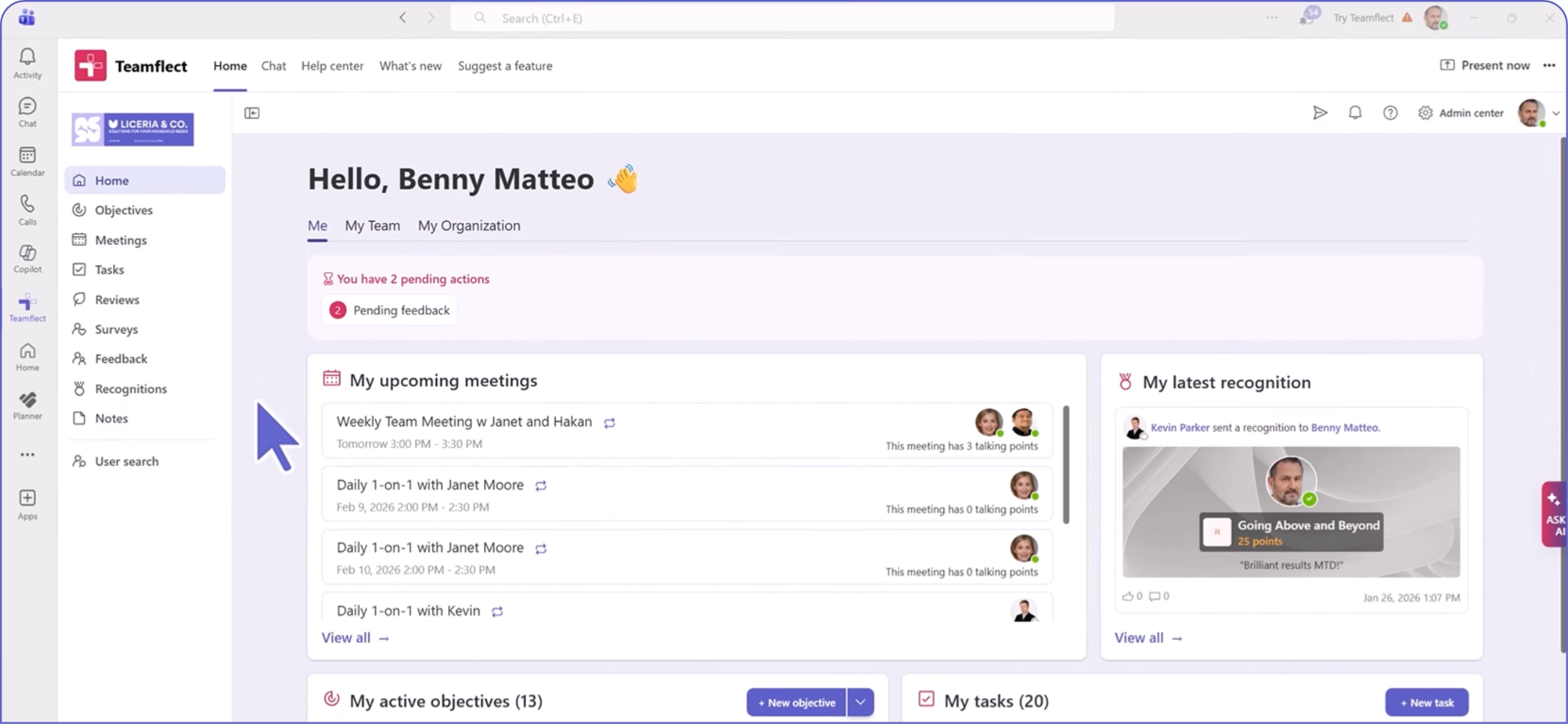
Teamflect's employee intranet built into Microsoft Teams
Organizations using Microsoft Teams need listening tools that work within their existing workflows. Teamflect provides a comprehensive employee listening solution built specifically for the Microsoft 365 ecosystem. It eliminates the need for separate platforms or complicated integrations.
Pulse surveys, engagement checks, and lifecycle questionnaires appear where people already work.
Employees receive notifications in their flow of work and can respond without switching applications.
This native experience dramatically improves response rates compared to external survey tools.
2. Comprehensive Feedback Tools
Voice of Employee: An Anonymous Message Box inside Teamflect
The platform supports various essential listening channels.
360-Degree Feedback: The module captures complete perspectives from peers, direct reports, and managers through an intuitive interface. The resulting data reveals leadership strengths and development opportunities that standard surveys miss.
Integrated Intranet: The intranet creates an always-on channel where employees can share ideas, raise concerns, and participate in discussions anytime. This captures organic feedback between formal listening cycles.
3. Insight and Adoption
Teamflect uses technology to simplify data analysis and adoption.
AI Agent for Analysis: Teamflect Agenthelps leaders analyze feedback data and spot emerging trends. It identifies patterns, flags urgent issues, and suggests areas for deeper investigation.
Simple Adoption: Adoption happens naturally due to Microsoft 365 permissions and single sign-on. Employees use existing credentials, and administrators manage access through familiar Azure Active Directory controls. The native Teams interface requires minimal training.
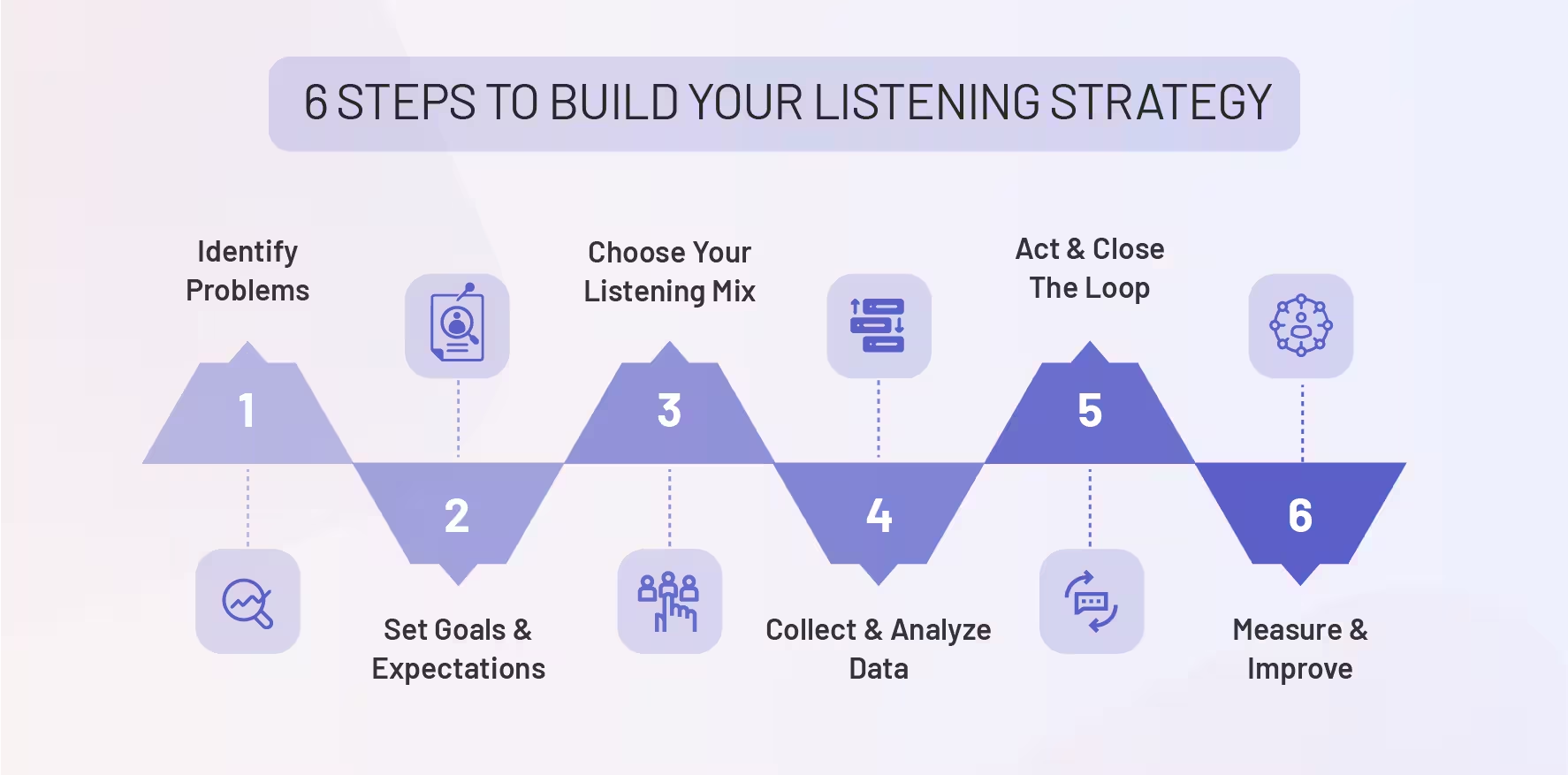
Step-by-Step: How to Build Your Employee Listening Strategy (with Examples)
Creating an employee listening strategy can feel demanding. These steps provide a clear roadmap from planning through execution, with practical examples you can adapt.
Step 1: Identify the Problems Listening Should Solve
Start by defining specific business challenges that better listening could address. Do not begin with the assumption that you simply need "more surveys."
Identify concrete problems, such as high turnover in specific departments, low participation in programs, or declining productivity metrics.
Talk with department leaders about their biggest "people challenges." These conversations reveal which aspects of the employee experience need immediate attention.
Review existing data sources for clues. Exit interview themes, performance review trends, and help desk tickets all contain signals about staff pain points. Look for patterns that suggest systemic issues.
Step 2: Communicate Goals & Expectations Clearly
Once you define the problem, explain your listening strategy to the organization. Transparency at this stage determines participation rates later.
Explain why you are asking for feedback, what you will do with it, and what changes staff might see as a result.
Set realistic expectations about response times and outcomes. Not every suggestion will result in immediate change due to budget or resource constraints. Honesty builds trust.
Address concerns about anonymity and data privacy upfront. Clarify who can see individual responses versus aggregated data to encourage honest participation.
Step 3: Decide Your Listening Mix (Surveys, 360s, Intranet)
Choose which listening channels make sense for your organization’s size, structure, and culture. Balance structured and unstructured feedback mechanisms.
Customization: Smaller companies might start with monthly pulse surveys and quarterly 360 feedback cycles. Larger organizations may need always-on channels supplemented by targeted surveys.
Data Types: Engagement surveys provide quantitative data you can track. Intranet discussions and open forums yield qualitative insights that explain the numbers.
Workforce Needs: Consider how hybrid work affects your approach. Remote staff may prefer asynchronous options, while onsite staff might appreciate quick polls during meetings.
📚 Recommended Reading: Voice of Employee Programs are a Crucial Part of any Employee Listening Strategy
Step 4: Collect and Analyze Data Across Multiple Channels
Deploy your listening mechanisms and start gathering feedback. Analyze data from all channels together.
Monitor Response Rates: Low participation may indicate survey fatigue or skepticism about whether feedback leads to action. Address these issues quickly.
Cross-Channel Analysis: A dip in pulse survey scores becomes more meaningful when paired with increased negative sentiment in intranet discussions. Multiple data sources pointing to the same issue demand immediate attention.
Identify Trends: Single data points matter less than patterns over time. If morale drops every January, you have identified a seasonality issue in workload planning or goal-setting.
Step 5: Act on Insights Quickly & Transparently
Speed matters when responding to staff feedback. Quick wins on smaller issues build trust that larger systemic changes are forthcoming.
Share Findings: Share what you learned from listening and what actions you are taking as a result. A simple email summarizing key themes shows that leadership pays attention.
Explain Constraints: When you cannot act on specific feedback, explain the limitations (e.g., budget, regulatory requirements). Staff appreciate honesty more than silence.
Demonstrate Action: Ensure visible changes occur. Improvements to scheduling or equipment based on feedback show that input drives decisions.
Step 6: Keep Measuring Results and Evolving Your Approach
Your listening strategy should change as your organization and workforce change. Continuous measurement ensures effectiveness.
Review and Adjust: Review participation rates, response quality, and action item completion quarterly. Adjust or replace channels that are not producing useful insights.
Connect to Outcomes: Track whether the listening strategy solves the original problems. Are retention rates improving? Do managers have better visibility into team morale?
Solicit Meta-Feedback: Ask staff what is working and what is not in your listening approach. This feedback helps fix survey fatigue, question clarity issues, or channel preferences.
Build a Culture of Continuous Employee Listening
Creating an effective employee listening strategy requires the right combination of tools, processes, and commitment to action. Organizations that listen continuously see stronger engagement, better retention, and more productive teams. The employees you hire have valuable insights about improving your business if you create the channels to hear them.
Teamflect makes employee listening practical for organizations using Microsoft Teams. Our platform combines pulse surveys, 360 feedback, and integrated intranet spaces into a single solution that works where your employees already spend their day. Start building a listening strategy that drives real results with tools designed specifically for Microsoft 365 environments.
.svg)
.svg)


.svg)




.svg)
.avif)