Develop talent and fuel performance with continuous feedback


.avif)
With Teamflect, you’re paired with a dedicated Customer Success Manager who handles everything from setup to onboarding.
Your CSM helps you configure templates, migrate existing processes, train your managers, and optimize your review cycles over time, so you can focus on your people while we take care of the rest.


Create high-performing and engaged teams - even when people are remote - with our easy-to-use toolkit built for Microsoft Teams
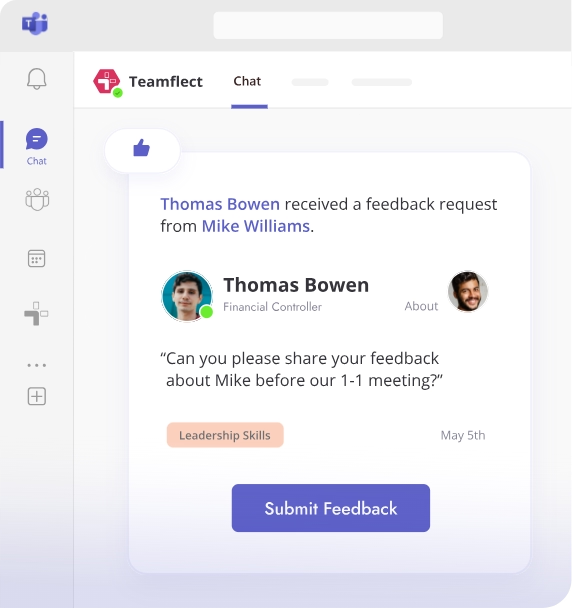
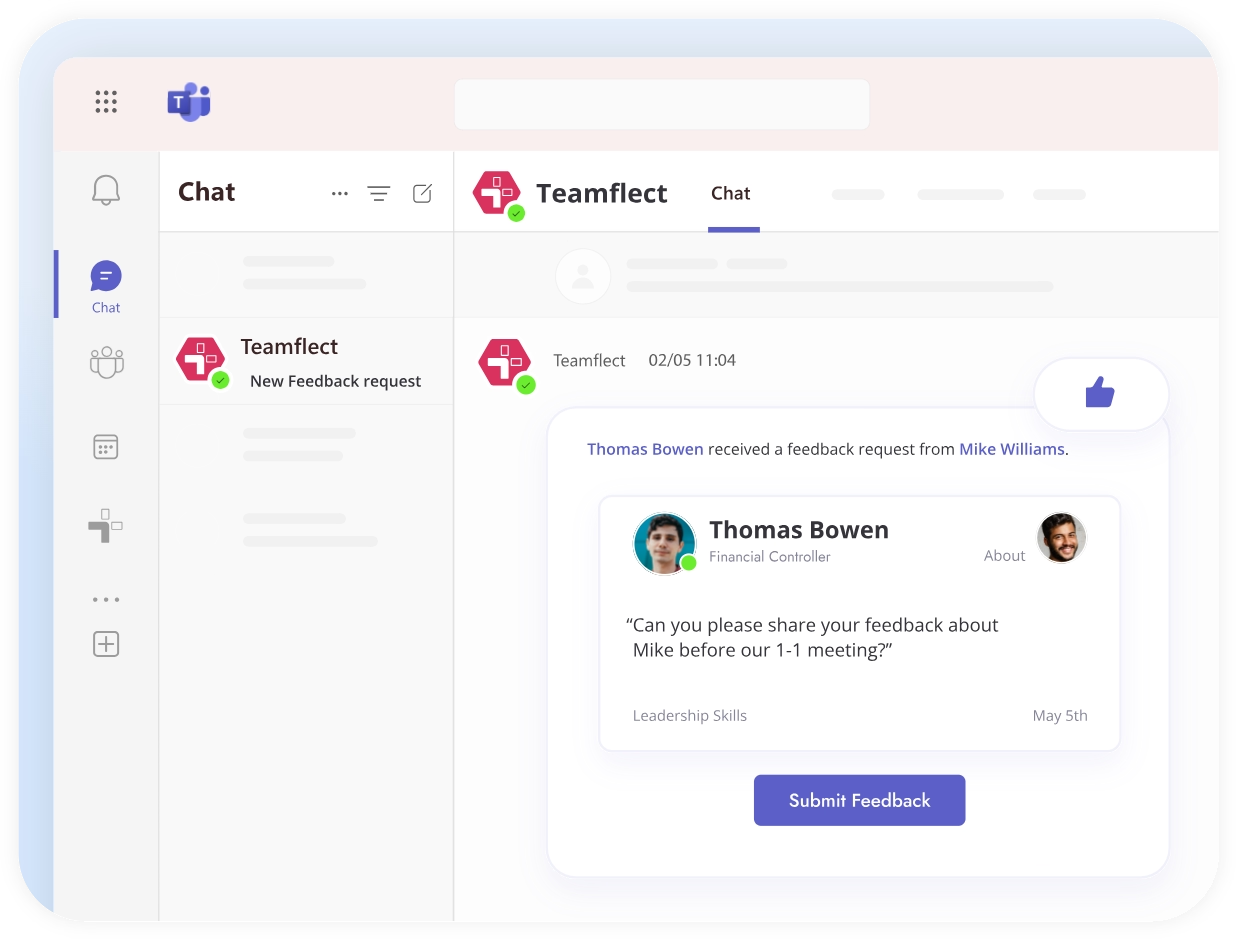
Completion rates rise when the request arrives where people already work and can be answered in place. Email survey links are the single biggest cause of a stalled 360 cycle. In Teamflect, 360 requests appear as adaptive cards inside Microsoft Teams chat, reminders are automated, and admins can see who is outstanding without chasing anyone individually.
Anonymous is the right default for peer and direct-report feedback, while manager feedback is normally attributed. Fully open 360s tend to produce polite, low-value comments, and fully anonymous ones can invite unaccountable ones, which is why most programs mix the two. Teamflect supports attributed and anonymous input within the same cycle, so manager feedback stays named while peer feedback remains confidential.
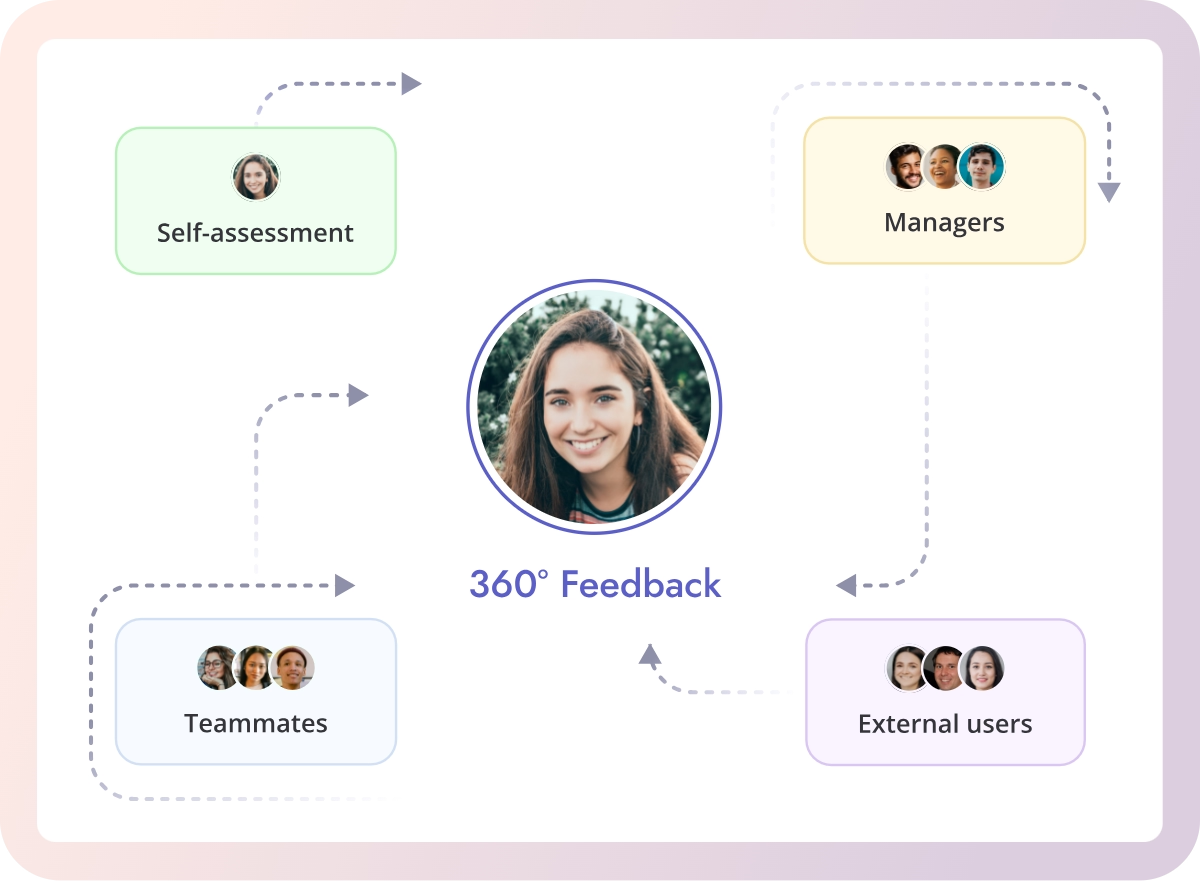
Yes, 360 cycles can include external reviewers such as clients, agency partners or contractors who have no Microsoft Teams account. This matters most for agencies, consultancies and customer-facing roles where the most useful feedback comes from outside the company. Teamflect supports external participants alongside internal managers, peers and direct reports, with their responses feeding the same report.
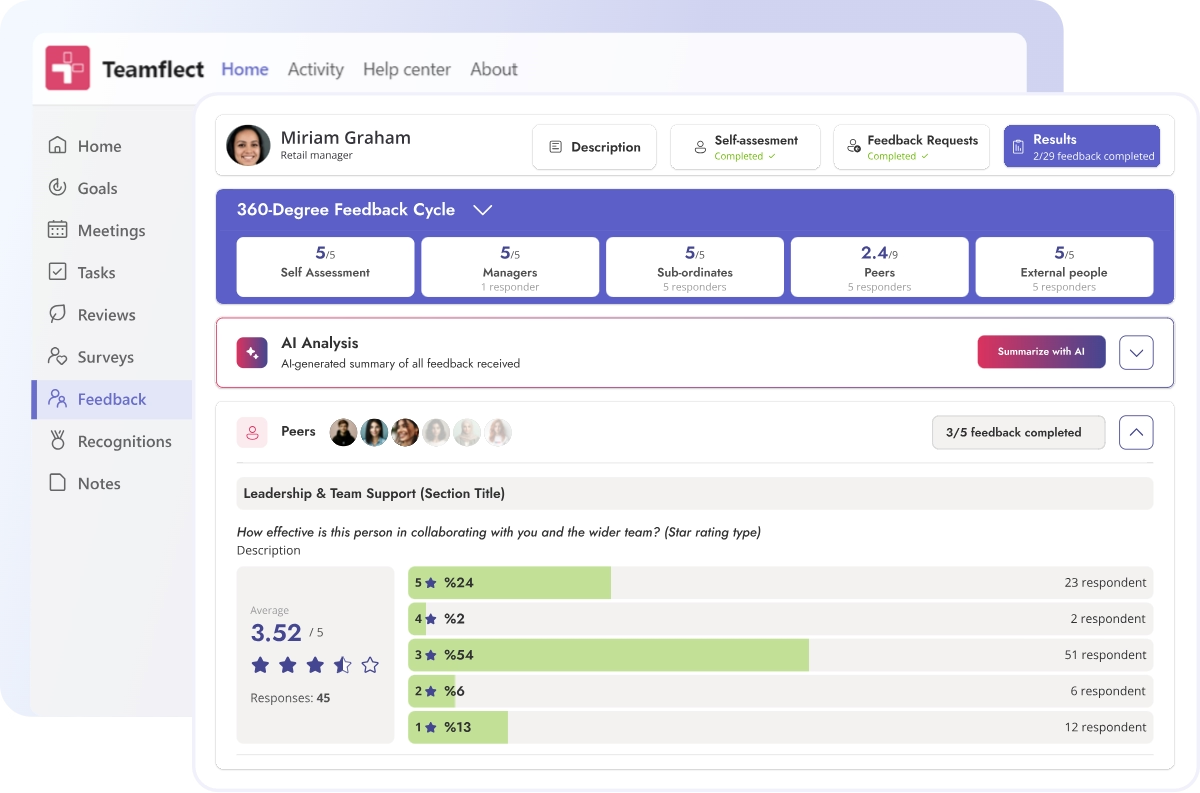
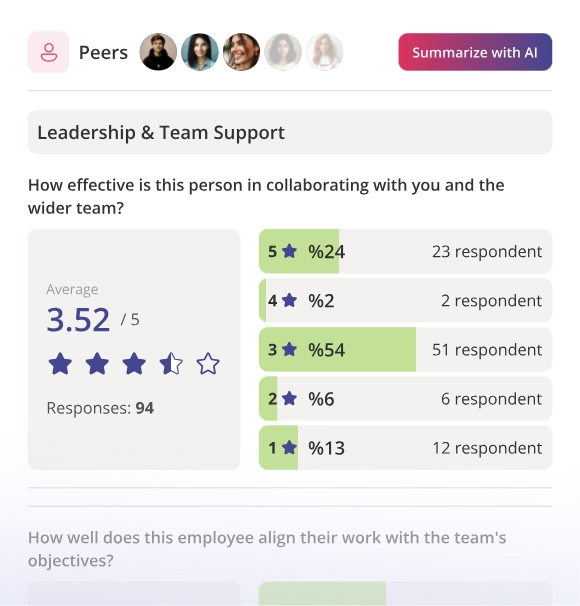
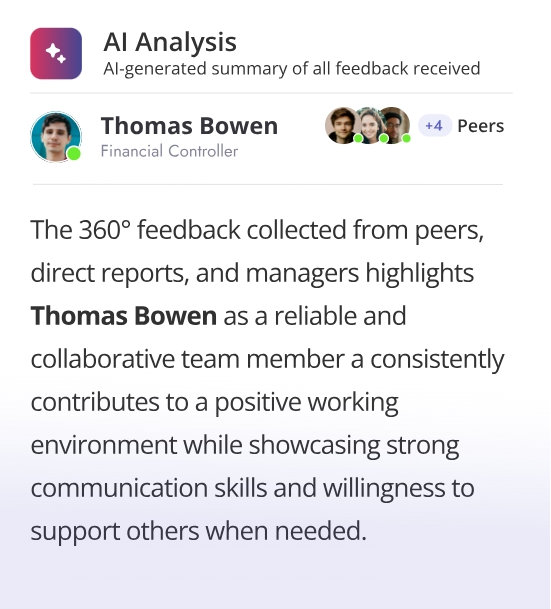
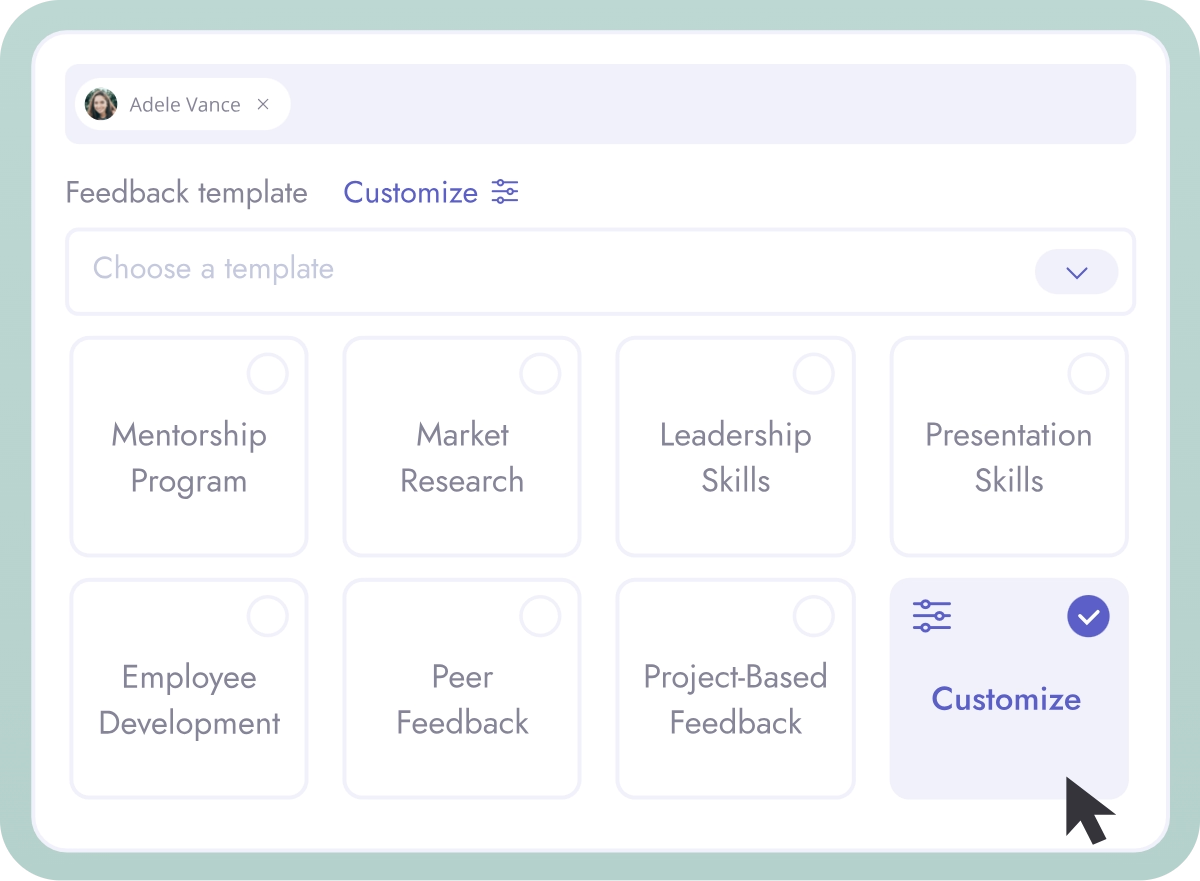
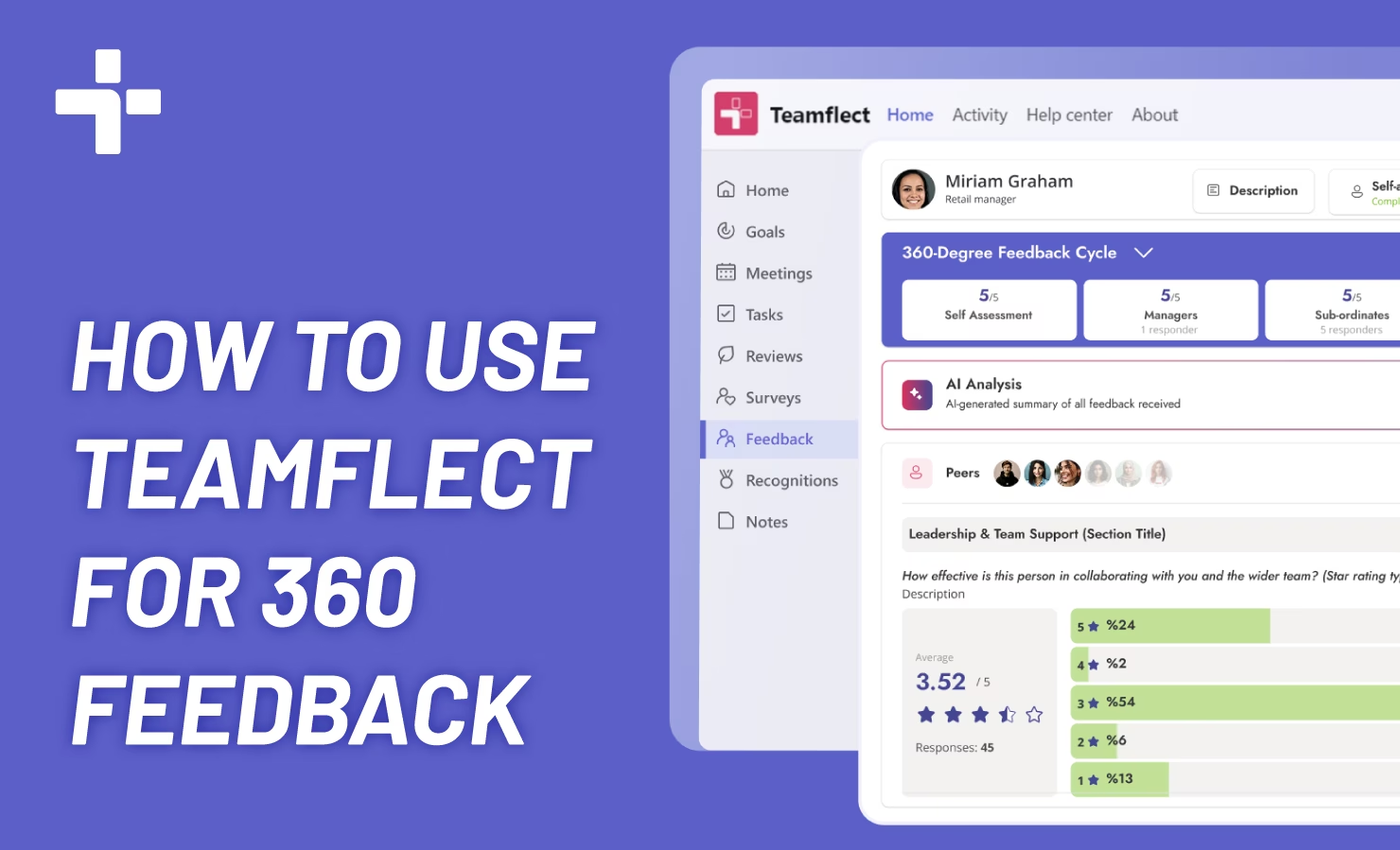
You run it inside Teams by sending 360 requests as in-chat cards to managers, peers and direct reports instead of emailing survey links. At 50+ people the bottleneck is coordination and chasing, not question design. Teamflect handles the whole cycle inside Microsoft Teams: pick a template, select reviewers, and requests, reminders and results all stay in Teams, with AI summaries when the cycle closes.
360 feedback tools are priced per user per month, and standalone 360 vendors often add a per-cycle or per-participant fee on top. For 50+ people it is usually cheaper to use a performance platform that includes 360 than to buy a dedicated 360 product. Teamflect includes 360-degree feedback in the same platform as reviews, goals and 1-on-1s, is free for up to 10 users, and quotes larger teams by size and modules.
You introduce it as a development exercise rather than an appraisal, and you say so explicitly before the first cycle. Employees resist 360s when they suspect the results will feed pay or promotion decisions, so a first cycle should be development-only, use a short template, and share results with the employee before anyone else. Teamflect lets you run 360 cycles separately from performance reviews and control who sees results, so you can connect 360 input to review templates later, once the process has earned trust.
For remote and distributed teams, pick a tool that collects feedback inside the chat platform people already use, because there is no office in which to chase anyone. Timezone spread is what makes email-based cycles drag on for weeks. Teamflect runs 360 cycles inside Microsoft Teams and Outlook, so distributed reviewers respond asynchronously in chat while admins track progress in a single view.
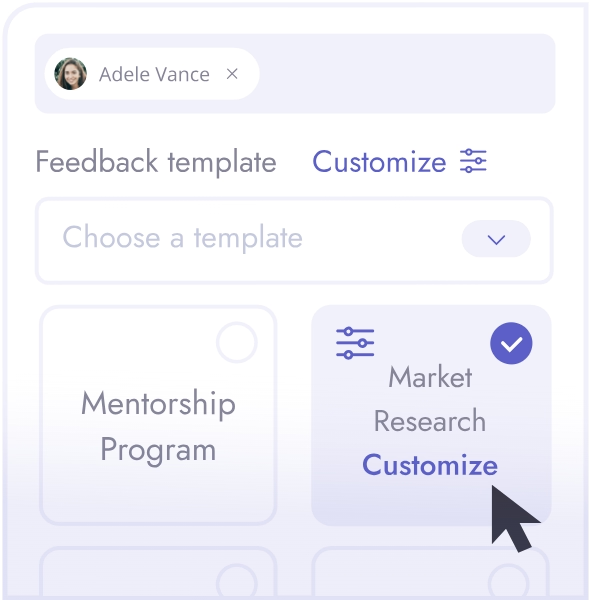
A 360 survey should be short: roughly 8 to 12 questions built around 4 to 6 competencies, plus one or two open-text fields. Long competency inventories lower completion rates and rarely change the conclusion. Teamflect ships customizable 360 templates you can trim to your own competency model, adjusting question types and rating scales cycle by cycle.
The most common failure is collecting 360 feedback and then doing nothing visible with it. Employees will complete one cycle on trust and quietly refuse the second if nothing changed, which is why every 360 report needs a development action attached to it. Teamflect connects 360 results to individual development plans and 1-on-1 agendas, so each cycle ends with owned actions rather than a PDF nobody opens.
Five to eight raters is the usual range: enough for patterns to emerge, few enough that people actually respond. A common safeguard is requiring a minimum number of responses per rater group before results are displayed, so individual comments cannot be attributed. Teamflect lets you define rater groups - manager, peers, direct reports, external - and control what each participant sees, so anonymity rules are enforced by the tool rather than by trust.
Yes, 360 tools can read employees, managers and departments from Workday, BambooHR, UKG or ADP so rater groups build themselves. Without that link, someone maintains rater lists by hand every cycle and they are wrong by the second one. Teamflect connects to 200+ HRIS systems and also syncs reporting lines from Microsoft 365, so peer and manager groups always reflect the current org chart.
Yes, and small teams often get more out of it than large ones because the feedback is specific and acted on quickly. The real risk at 20 people is anonymity, since small rater groups make comments easy to attribute. Teamflect is free for up to 10 users and lets you set rater groups and visibility rules, so a small team can run a credible cycle without buying a dedicated 360 vendor.