.svg)
.svg)
What Are the Best Tools to Measure Workplace Happiness?

Updated on:
January 31, 2026

Prefer Teamflect as your HR source on Google
.svg)

Workplace contentment directly impacts productivity, talent retention, and company culture. However, many organizations still rely on annual surveys or casual feedback. These methods fail to capture real-time employee feelings. As a result, leadership teams often operate unaware of factors driving team spirit and commitment.
Addressing this gap is particularly critical because stress levels vary significantly based on organizational operations. For instance, a Gallup study shows that employees under poor management are 60% more likely to be highly stressed than those with supportive management. They are also 30% more likely to be stressed than unemployed individuals.
This guide reviews the top tools to measure workplace happiness in 2025. It compares features, pricing, and use cases. The goal is to help you find the right solution.
Whether you need real-time pulse surveys, comprehensive analytics, or native integration with your existing workflow, these platforms address common challenges of tracking employee satisfaction effectively.
| Product | Starting Price | Free Trial | Free Plan | Key Differentiator |
|---|---|---|---|---|
| Teamflect | Free (up to 10 users) | Yes | Yes | Native Microsoft Teams integration |
| SurveyMonkey | $30/month | Yes | Limited | Extensive template library |
| Qualtrics | Custom pricing | Yes | No | Enterprise-grade analytics |
| Workleap | $5/user/month (10 users minimum) | Yes | No | Weekly pulse surveys |
| TINYpulse | Custom pricing | Yes | No | Anonymous feedback focus |
| ThriveSparrow | $2/user/month | Yes | No | Budget-friendly pricing |
| Sogolytics | $25/month | Yes | No | Multi-channel survey distribution |
| Guusto | $125/month | Yes | No | Recognition and rewards focus |
| SurveySparrow | $19/month | Yes | Limited | Conversational surveys |
| Culture Amp | Custom pricing | Yes | No | People analytics depth |
To stay ahead in 2026, relying on "gut feelings" about your team’s morale is no longer enough. According to Gartner, only 31% of employees report feeling engaged, enthusiastic, and energized by their work. This highlights a massive "engagement gap" that can only be bridged with data. High-growth organizations are turning to specialized software to turn these subjective feelings into objective data.
Utilizing the best tools to measure workplace happiness allows leadership to:
The right workplace happiness tool does more than collect feedback. It should fit naturally into your team's existing workflows. It must also provide actionable insights that drive meaningful change.
Start by evaluating the fundamental survey functions of the tool. A strong platform should offer flexibility and relevance in how you gather data.
📚 Recommended Reading: We have an extensive article on the best ways to design employee engagement surveys.
Integration requirements deserve careful consideration, as they directly impact participation. High adoption rates come from tools that minimize disruption.
Consider how the platform's cost scales with your growth and usage. The pricing model should align with your intended survey frequency and team size.
Basic scores showing employee feelings offer limited value. The true power of the tool lies in its ability to transform data into meaningful, segmented information for decision-making.
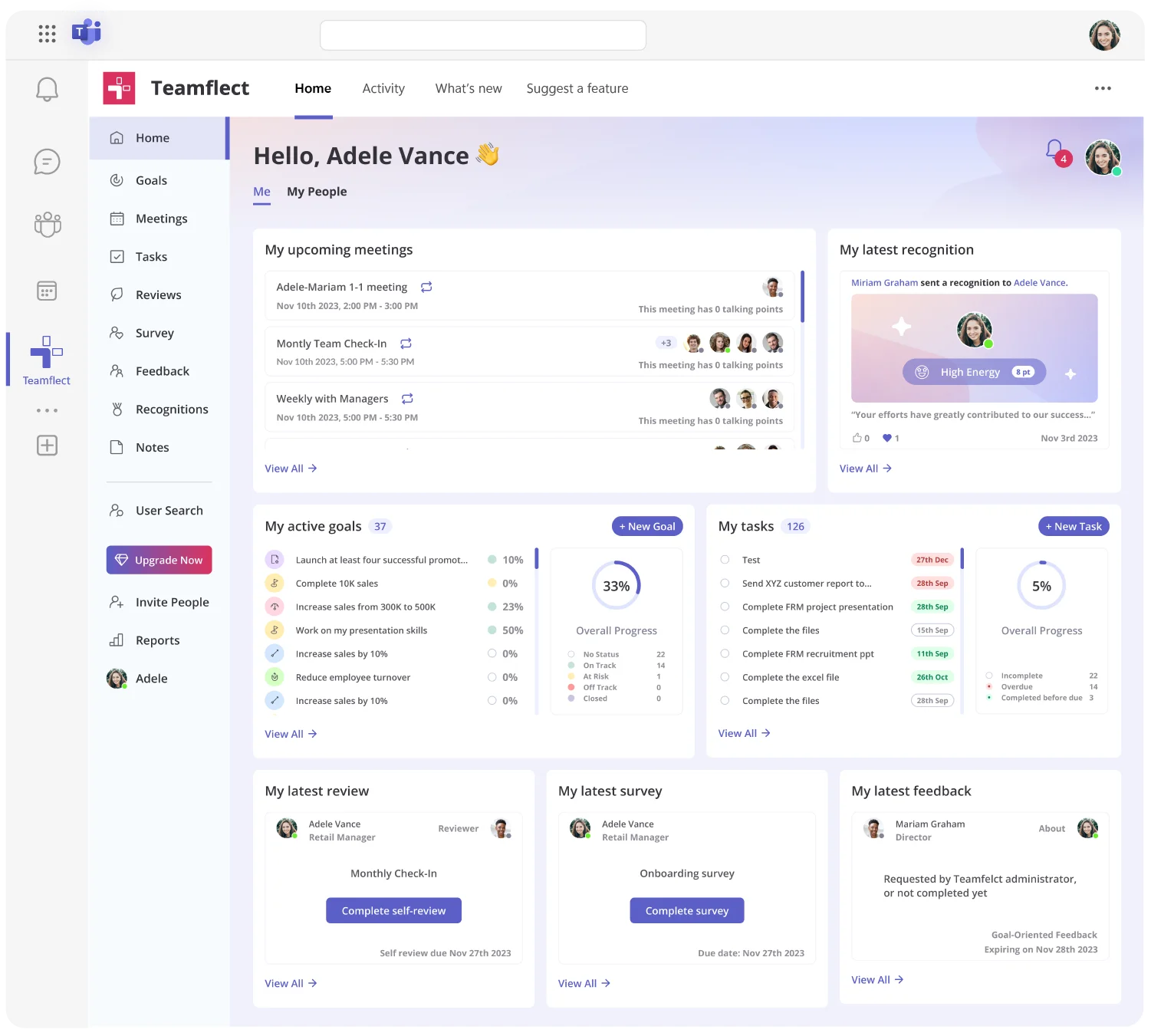
Teamflect is the leading performance management and employee engagement platform. It is built specifically for Microsoft 365 users. Unlike standalone survey tools that require separate logins and app-switching, Teamflect functions natively within Microsoft Teams. This makes workplace happiness measurement a natural part of daily collaboration.
Organizations choosing Teamflect gain more than survey capabilities. The platform combines employee engagement surveys with performance management, goal tracking, and recognition tools in a single interface. This integrated approach provides a complete picture of workplace happiness. It connects survey responses with performance data, meeting notes, and peer feedback.
The platform'sAI analyzes survey responses and provide automated insights about engagement trends. This helps HR teams identify issues before they escalate. For teams already invested in the Microsoft ecosystem, Teamflect eliminates the friction of adopting separate engagement tools. It delivers enterprise-grade features at a fraction of the cost.
Pros:
"It's rare to find a tool that also excels at everything from engagement to performance management! Teamflect has covered both ends for us while promoting more engagement between managers and direct reports."
Cons:
Talk to a product expert to find the right plan for your organization. Receive a tailored quote based on your company size and needs: 👇
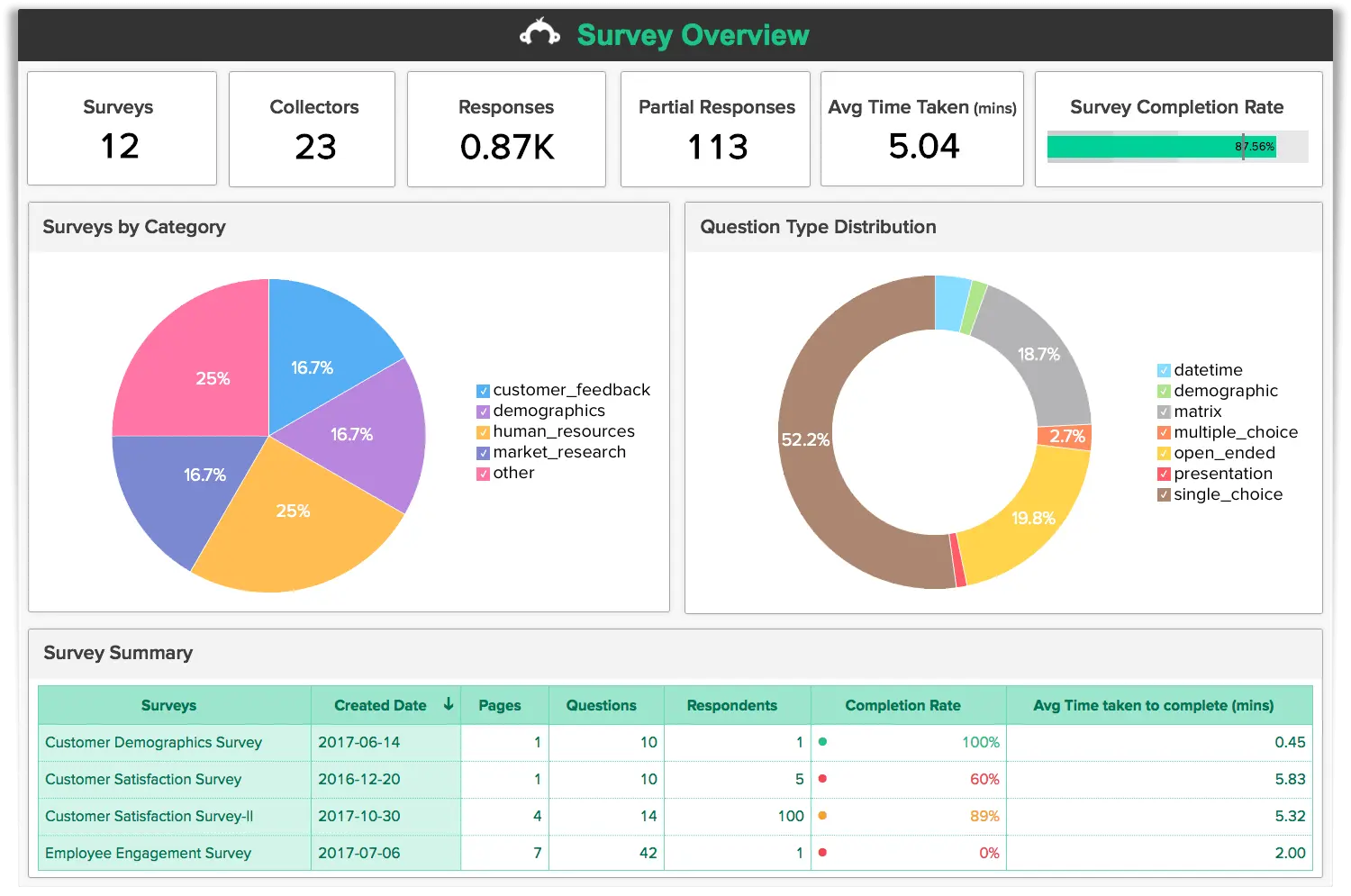
SurveyMonkey provides extensive survey creation capabilities. It has one of the largest template libraries available. The platform serves organizations that need to design engagement surveys from scratch. Or, they can customize existing templates heavily to match specific measurement needs.
The tool's strength lies in its flexibility and brand recognition. Most employees have encountered SurveyMonkey surveys before. This reduces friction during rollout. The platform supports complex logic, branching questions, and various question formats. These help capture detailed workplace happiness data.
Pros:
"Creating surveys, polls, or feedback forms takes only a few minutes thanks to its wide range of templates and question types. The analytics and reporting features are straightforward." - G2 Review
Cons:
"It's not always apparent what features or data will be locked behind a paywall, and that can be really frustrating if you're not expecting to suddenly not have access to all your respondent data." - Software Advice Review
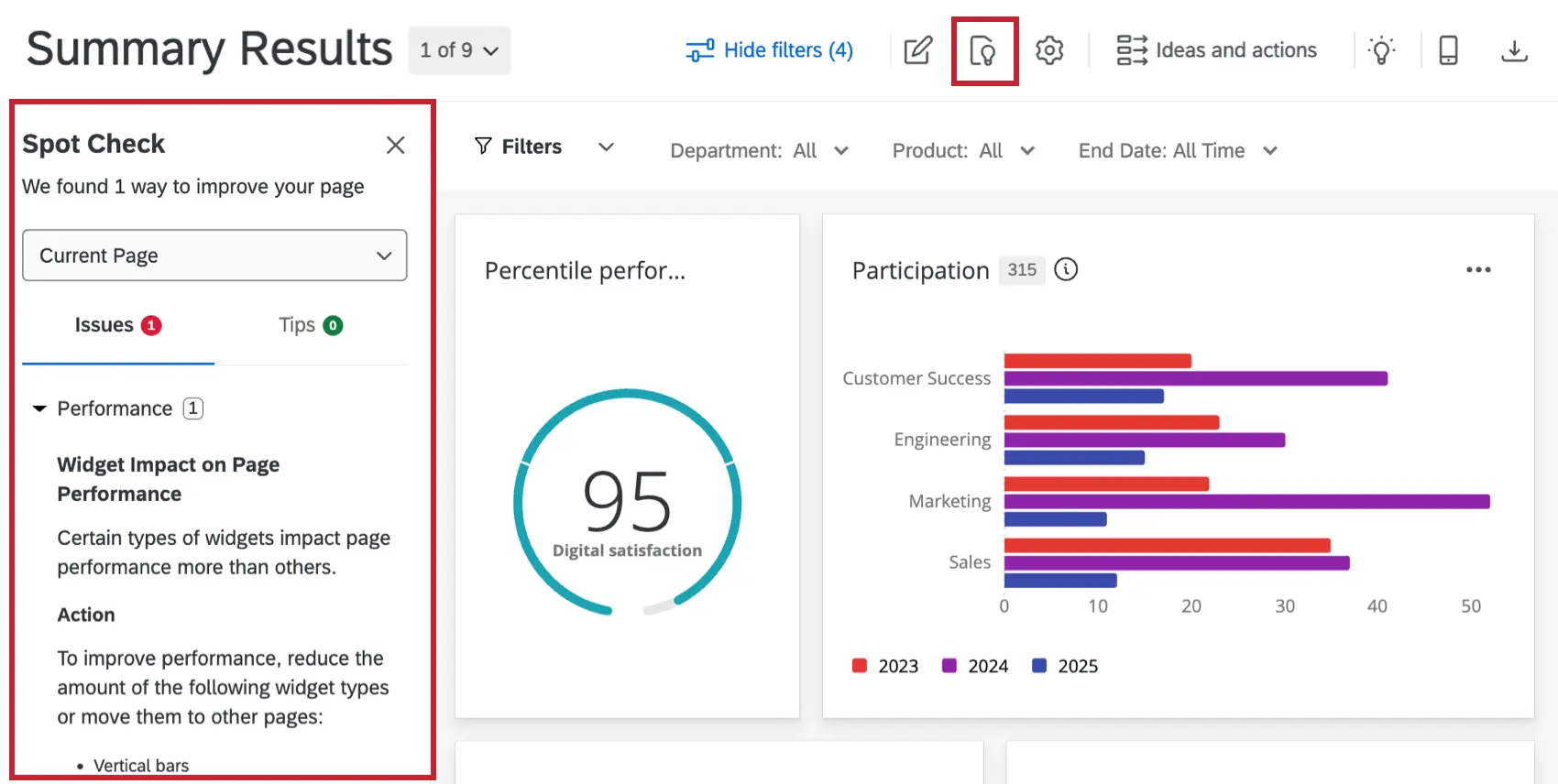
Qualtrics delivers enterprise-grade experience management. It offers sophisticated analytics capabilities. The platform serves large organizations that need to measure workplace happiness as part of broader employee experience programs. It uses scientific rigor and statistical analysis.
Built originally for academic research, Qualtrics brings survey science methodology to employee engagement. The platform excels at identifying the drivers of employee engagement. It uses advanced statistical modeling and predictive analytics. These go far beyond basic sentiment scoring.
Pros:
"It can collect data through emails, surveys, SMS, websites, apps, and other social media platforms using NLP (Natural Language Processing) in real time. " - G2 Review
Cons:
"The platform can feel overwhelming at first due to the wide range of features. The learning curve is steep—new users often need training to get the most out of it." - G2 Review

Officevibe focuses on continuous employee engagement. It uses weekly pulse surveys that measure workplace happiness consistently. The platform emphasizes regular, lightweight check-ins rather than lengthy annual surveys. This makes it easier to track sentiment shifts in real time.
The tool's approach aligns with modern feedback practices. It prioritizes frequency over depth. Short weekly questions reduce survey fatigue. They also provide ongoing data about team mood, management effectiveness, and workplace satisfaction.
Pros:
"The interface is clean and doesn't take much time to learn. Setting up and inviting teammates was quick, and it really helps in keeping tasks and communication in one place." -G2 Review
Cons:
"Performance appraisal process flow is not very well managed as the reports are not accessible by the employee anymore once submitted." -Software Advice Review
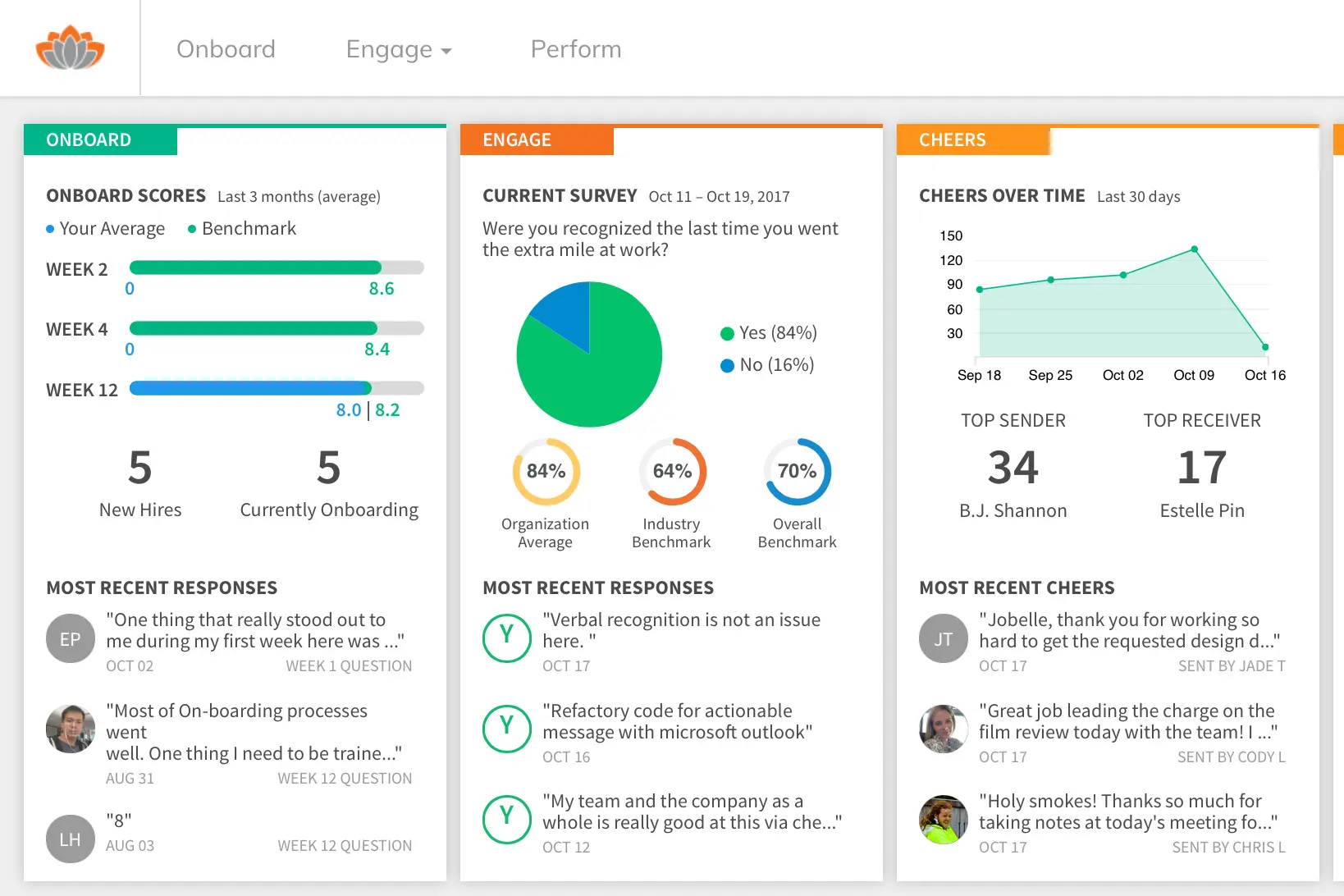
TINYpulse specializes in anonymous employee feedback and recognition. The platform addresses workplace happiness measurement from a privacy-first perspective. It recognizes that employees often hesitate to share honest feedback when their identity is visible.
The tool combines anonymous pulse surveys with peer recognition and suggestion box functionality. This dual approach measures both quantitative happiness metrics and qualitative insights. These might not surface through traditional surveys.
Pros:
"Great way to get anonymous feedback. We strategically use it to course correct and get a vote and what people truly like.” - Capterra Review
Cons:
“The user interface can be confusing, especially as an admin. Staff haven't always believed it's truly anonymous, too, so we've had to do some convincing." - Software Advice Review
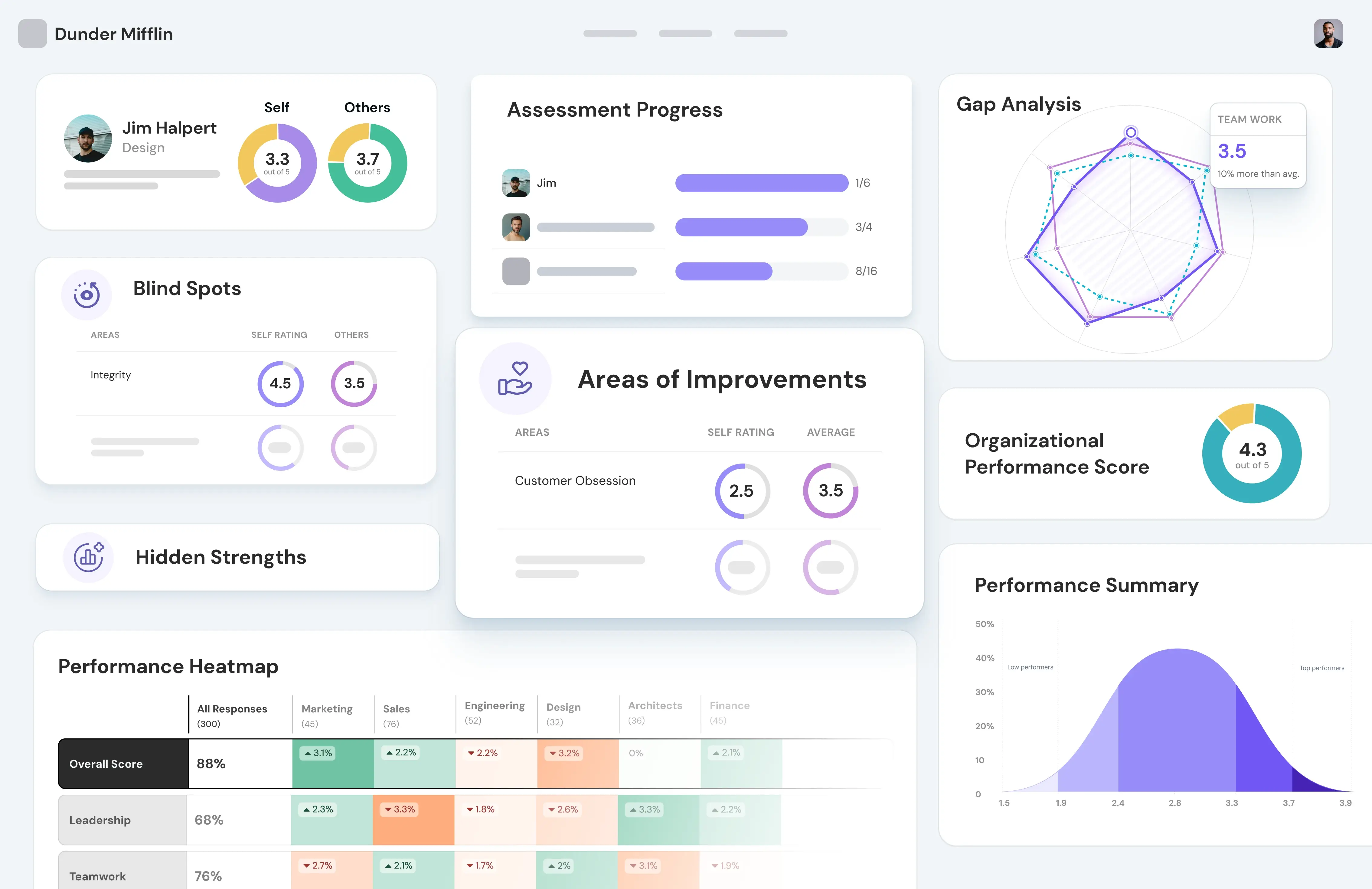
ThriveSparrow provides comprehensive employee engagement measurement at budget-friendly pricing. The platform serves small to mid-sized organizations. They need professional workplace happiness tools without enterprise costs.
Despite its lower price point, ThriveSparrow includes features typically found in more expensive platforms. The tool covers the complete engagement cycle. This includes pulse surveys to action planning. It is accessible for companies just starting structured happiness measurement.
Pros:
"ThriveSparrow has a neat and simple UI which is easy for both of my HR teams where they can easily access without being trained." - G2 Review
Cons:
"The available integrations are limited and depend on the plan you choose. Additionally, some features overlap with those already offered by existing HR tools." - G2 Review
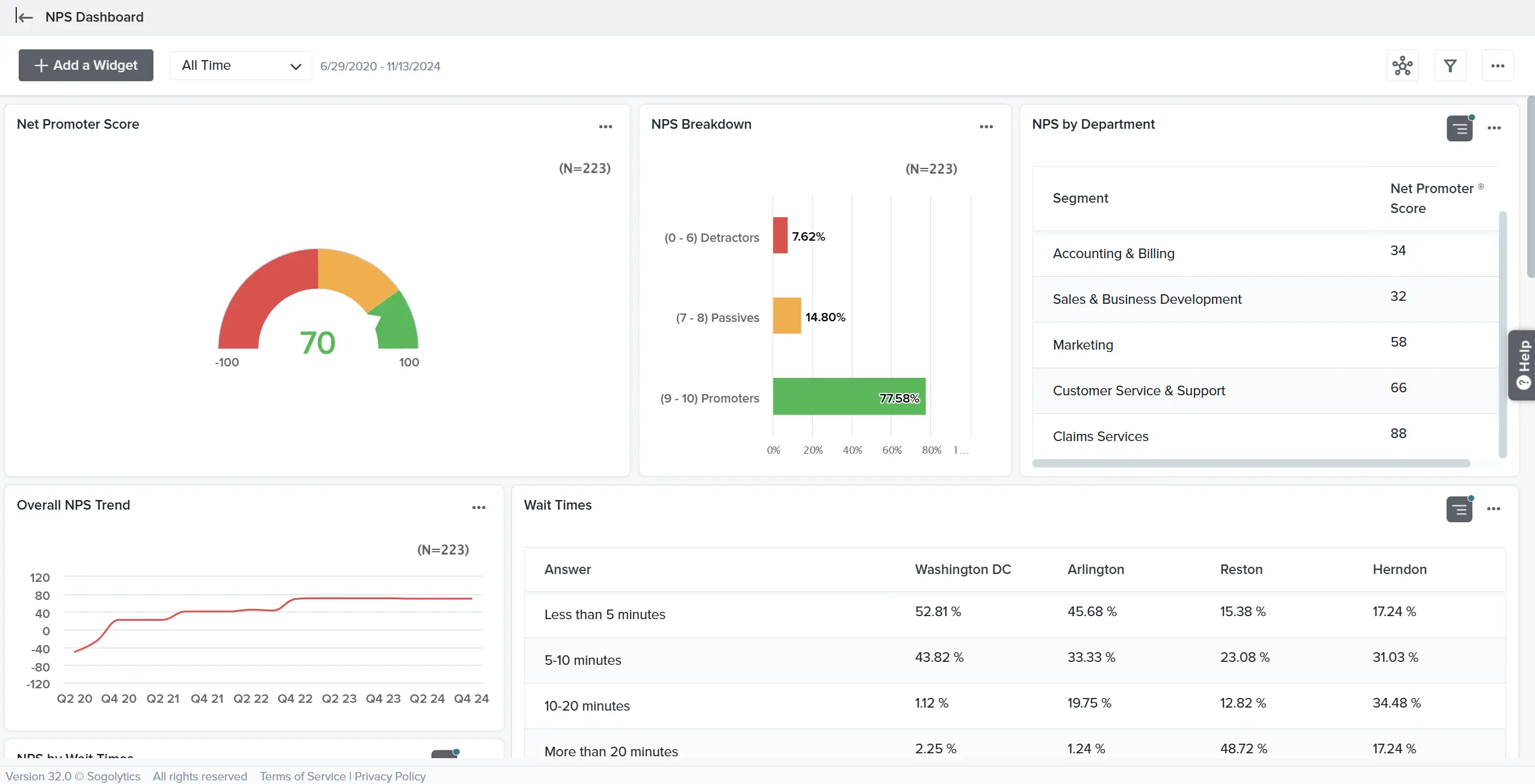
Sogolytics provides flexible survey distribution across multiple channels. This makes it easier to reach employees regardless of where they work. The platform serves organizations with distributed workforces. They need various ways to collect workplace happiness data.
The tool's strength lies in its distribution flexibility. Surveys can be delivered through email, SMS, web links, QR codes, or mobile apps. This multi-channel approach helps organizations reach frontline workers, remote employees, and desk-based staff through their preferred channels.
Pros:
"Sogolytics provides a secure, user-friendly platform that enables us to track and manage essential business and program data." -G2 Review
Cons:
"Some of the report saving functionality can be confusing, especially when trying to save time with prior saved reports/filters." - G2 Review
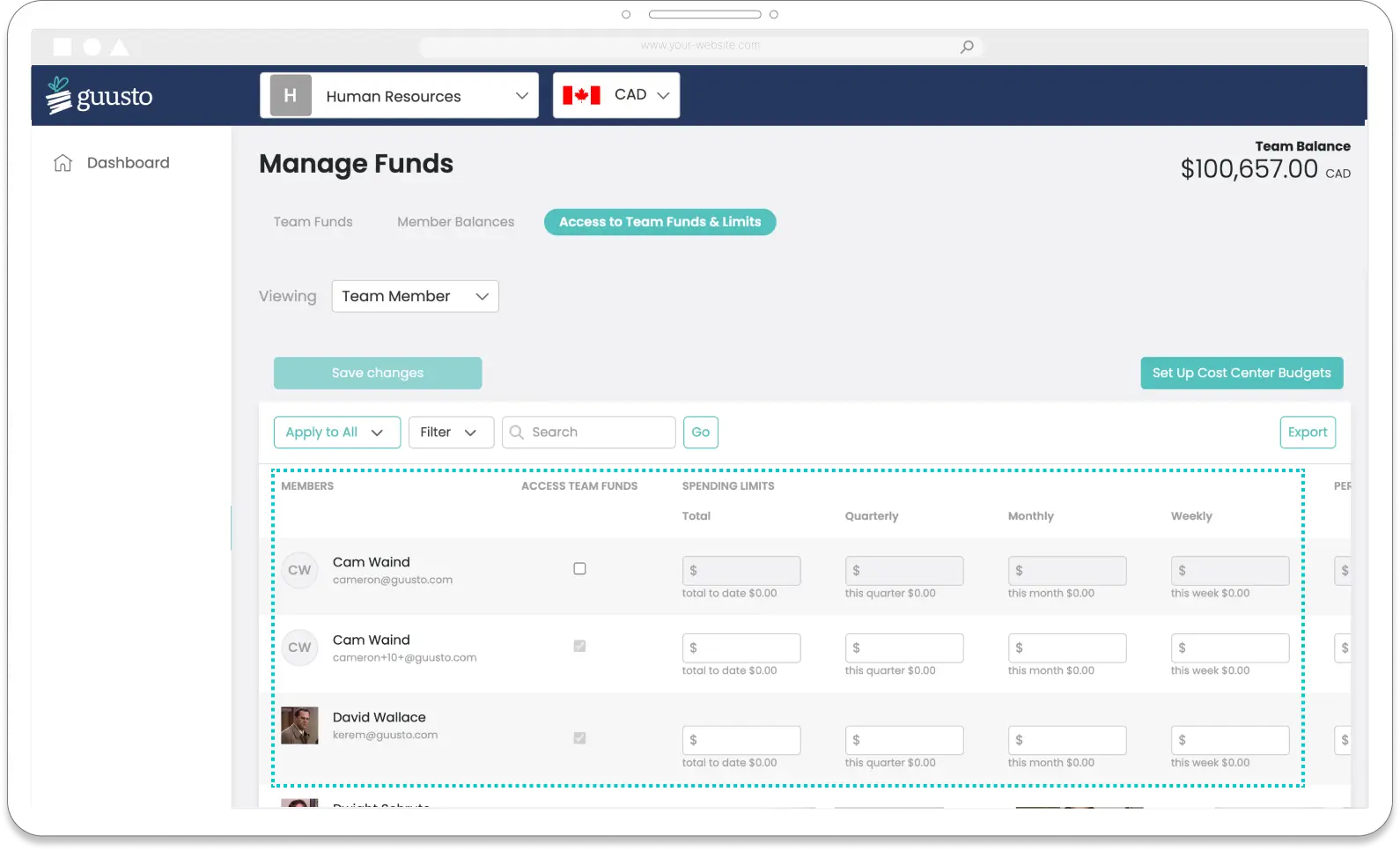
Guusto focuses on employee recognition while including happiness measurement capabilities. The platform serves organizations that believe workplace happiness stems primarily from recognition and appreciation rather than just feedback collection.
The tool's unique positioning combines gift card rewards with pulse surveys. This integrated approach lets companies measure happiness. It also provides tools to improve it through consistent recognition programs.
Pros:
"The platform is also very user-friendly, making it easy to use and simple to access customer support when needed. " -G2 Review
Cons:
"The Teams interface - when it works, it's brilliant! But we have had some issues when MS makes any sort of change. Although the change may be triggered by Microsoft, Guusto should try to be ahead of this and fix [it] before there is a problem." - Capterra Review
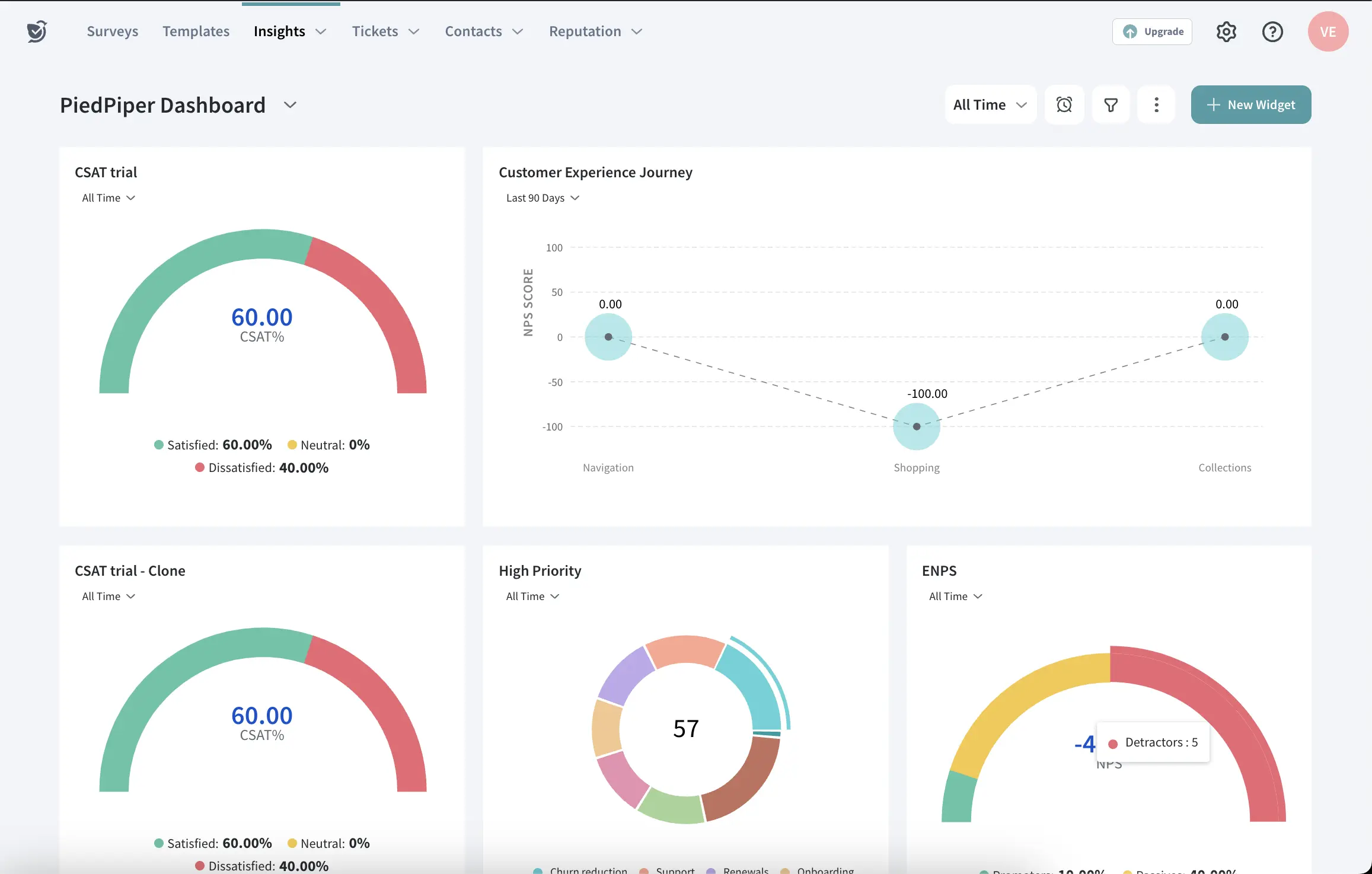
SurveySparrow takes a different approach to workplace happiness measurement. It uses conversational surveys that mimic chat interfaces. The platform serves organizations wanting to make surveys feel less formal and more engaging for respondents.
The conversational format reduces survey fatigue. It presents questions one at a time in a chat-like flow. This approach typically achieves higher completion rates than traditional survey formats. It works especially well with younger employees accustomed to messaging interfaces.
Pros:
"We can easily create surveys, add branding and background to my surveys easily and also share the survey link via SMS, mail, QR code also." -G2 Review
Cons:
"Pricing model was not transparent. Was not informed that if I do not use all my purchased surveys in a select timeframe, I would lose them. They then tried to charge me for an entirely new set of surveys without my knowledge or consent." -Software Advice Review
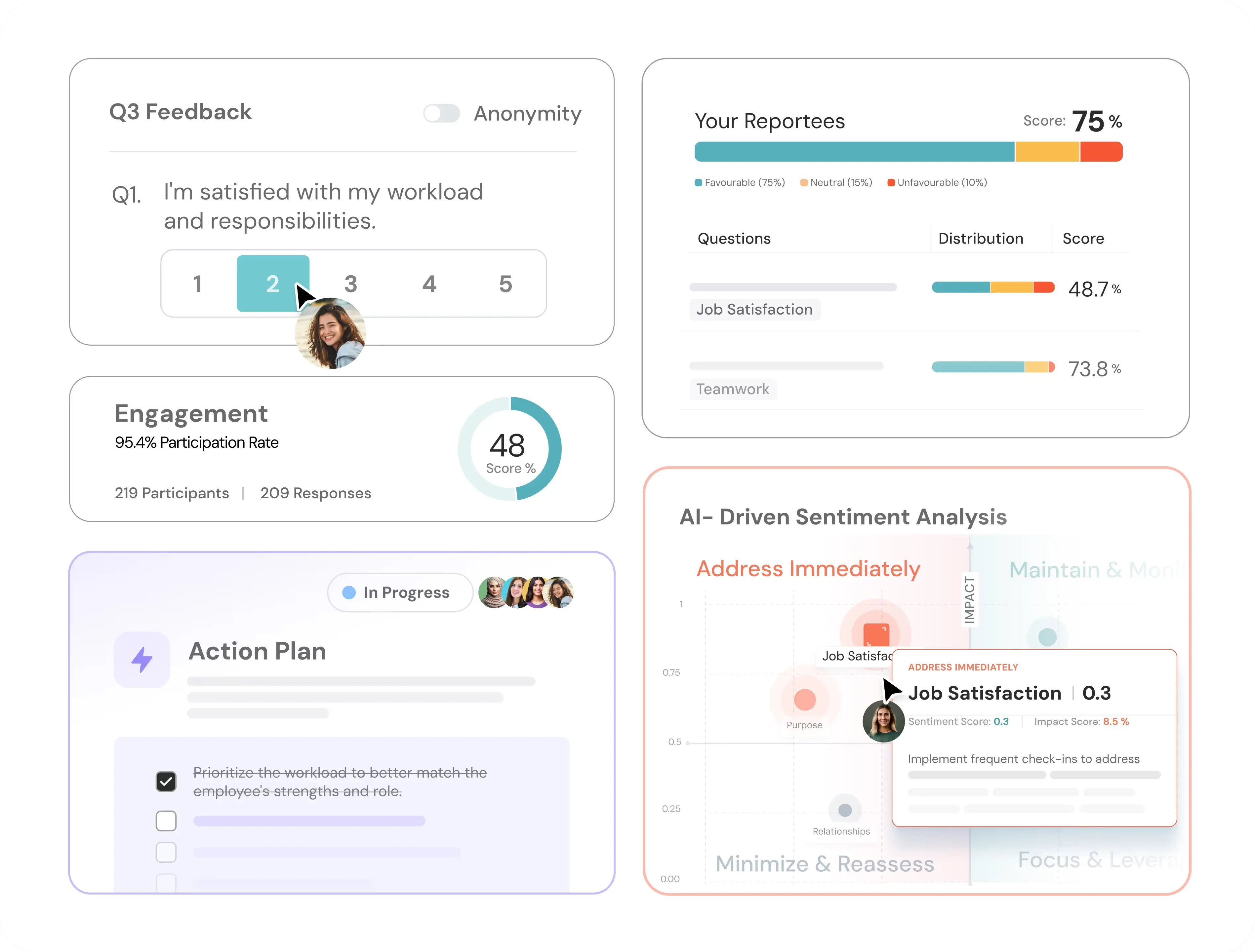
Culture Amp specializes in people analytics and employee experience measurement. The platform serves organizations that approach workplace happiness as a data science challenge.
It uses research-backed approaches to engagement measurement. The platform goes beyond happiness scores. It identifies specific factors that drive satisfaction and retention in different organizational contexts.
Pros:
"I also really value the sense of safety that comes with anonymity — it encourages everyone to share their honest thoughts and ideas." - G2 Review
Cons:
"There are limitations on customization for surveys and reports, and reporting can be a bit overwhelming." - Capterra Review
Finding the right solution requires matching tool capabilities with your specific measurement needs and organizational context. Consider these factors when evaluating options.
Start by clarifying what you actually want to measure. Some organizations need quick pulse checks to track sentiment trends. Others require comprehensive assessments that identify specific drivers of employee engagement. They also correlate them with performance data.
Tools like Teamflect work well when you need workplace happiness measurement integrated with performance management. Standalone survey platforms like SurveyMonkey suit organizations conducting various types of research beyond employee engagement. Specialized tools like TINYpulse address specific needs like anonymous feedback collection.
Your existing technology stack significantly impacts tool effectiveness. Organizations using Microsoft 365 see higher survey participation when measurement happens within Teams rather than through separate applications. The same principle applies to Google Workspace users or companies built around Slack.
Native integration matters more than basic connectivity. Tools that push notifications, collect responses, and display results within your primary collaboration platform typically achieve higher response rates. They avoid separate logins and app switching.
Different organizations need different levels of customization. Some thrive with standardized templates and proven employee satisfaction survey questions. Others require extensive customization to match their specific culture and measurement framework.
Consider whether you need advanced features like question logic, branching paths, or multi-language support. Teams measuring happiness across diverse employee populations often need these capabilities. Smaller, more homogeneous organizations can usually work with simpler tools.
Basic sentiment scores provide limited value without deeper analysis. Consider what level of insight your leadership team needs to take action on workplace happiness data.
Some organizations need simple dashboards showing trends over time. Others require statistical analysis, predictive modeling, and correlation with business outcomes. Match the tool's analytical capabilities to your team's ability to interpret and act on complex data.
Pricing models vary significantly across workplace happiness tools. Some charge per survey response. Others per active user. Some offer unlimited usage at flat rates. Calculate total annual cost based on your expected survey frequency and employee count.
Don't overlook implementation and maintenance costs. Complex enterprise platforms may require dedicated administrators and extended implementation periods. Simpler tools often provide faster time to value with less ongoing resource requirements.

Organizations using Microsoft 365 face a specific challenge when measuring workplace happiness. Employees already spend their workday in Teams, Outlook, and other Microsoft applications. Adding separate survey tools creates friction. This reduces participation and makes engagement measurement feel like additional work rather than natural feedback.
Teamflect solves this by functioning as a native Teams application. Employee engagement surveys, pulse checks, and feedback collection happen directly within your main communication platform. Employees receive survey notifications in Teams chat. They answer questions without switching apps. Managers view results in the same interface they use for performance conversations.
When engagement scores drop, managers can immediately see whether it correlates with missed goals, lack of recognition, or other performance factors.
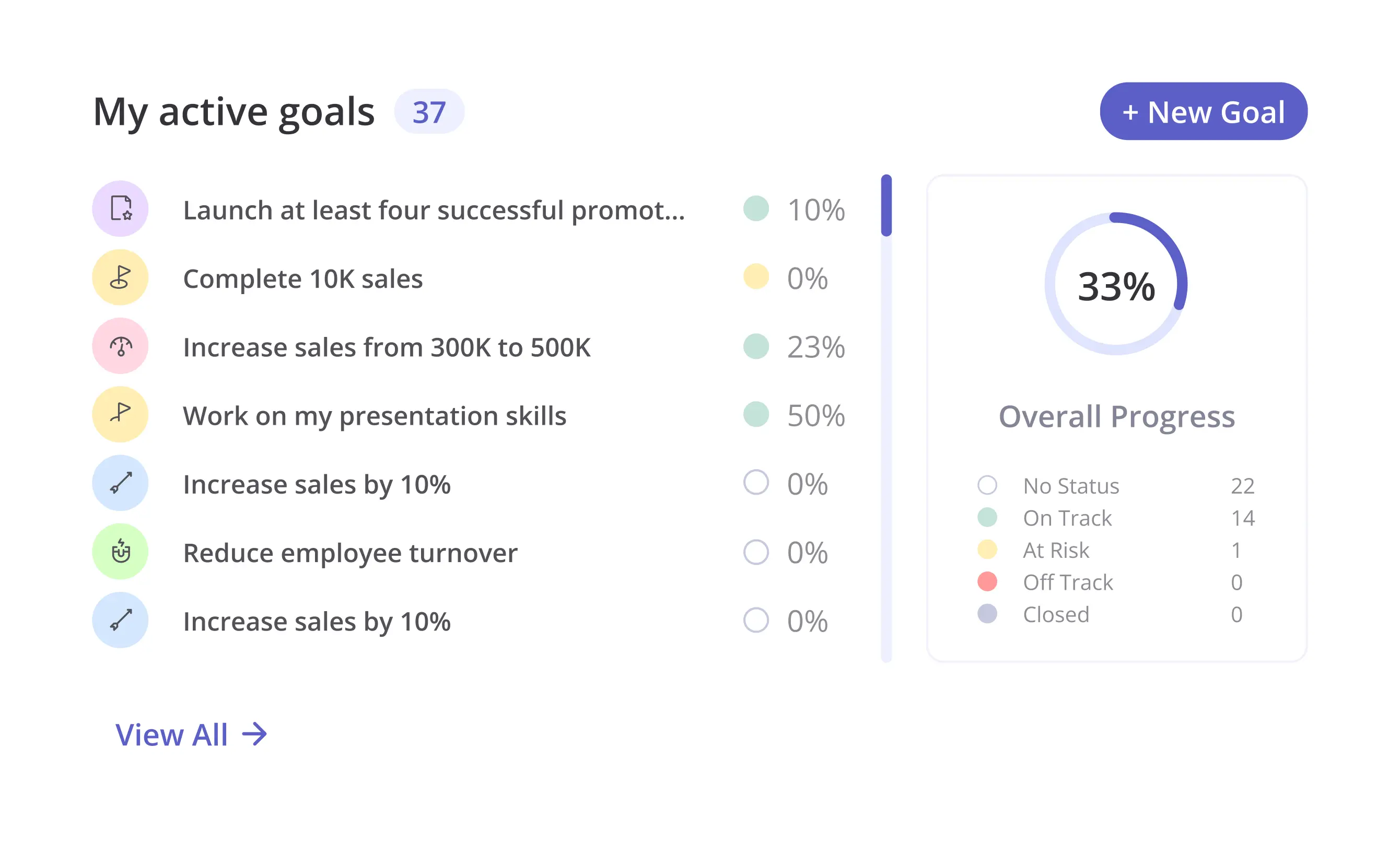
Tools to measure workplace happiness are software platforms. They collect, analyze, and report on employee satisfaction, engagement, and overall well-being. Organizations need these tools because workplace happiness directly impacts productivity, retention, and company performance.
Effective measurement tools go beyond basic surveys. They help organizations design engagement surveys that identify specific drivers of employee engagement. They track trends over time. They also benchmark results against industry standards.
Pricing varies significantly based on features, organization size, and deployment model. Basic survey tools start around $3 to $5 per user per month. Enterprise platforms with advanced analytics can reach $15 to $20 per user per month or require custom pricing.
Several factors affect cost. These include survey frequency, number of users, integration requirements, and support levels. Tools with native integrations, like Teamflect's Microsoft Teams integration, often provide better value. They reduce implementation costs and improve adoption without premium pricing.
Teamflect offers the most comprehensive free plan for measuring workplace happiness. It supports up to 10 users with full functionality. This includes employee engagement surveys, pulse checks, and analytics. Unlike limited trial versions, Teamflect's free tier provides ongoing access to professional features without time restrictions.
Implementation timeframes range from a few hours to several months. It depends on platform complexity and organizational needs.
Comprehensive platforms like Teamflect typically require two to four weeks for proper implementation. This includes HRIS integration, survey customization, manager training, and communication planning.
The most successful implementations include a pilot phase with one department before company-wide rollout. This approach helps identify issues, refine employee satisfaction survey questions, and build internal champions who can support broader adoption.

.svg)
.avif)
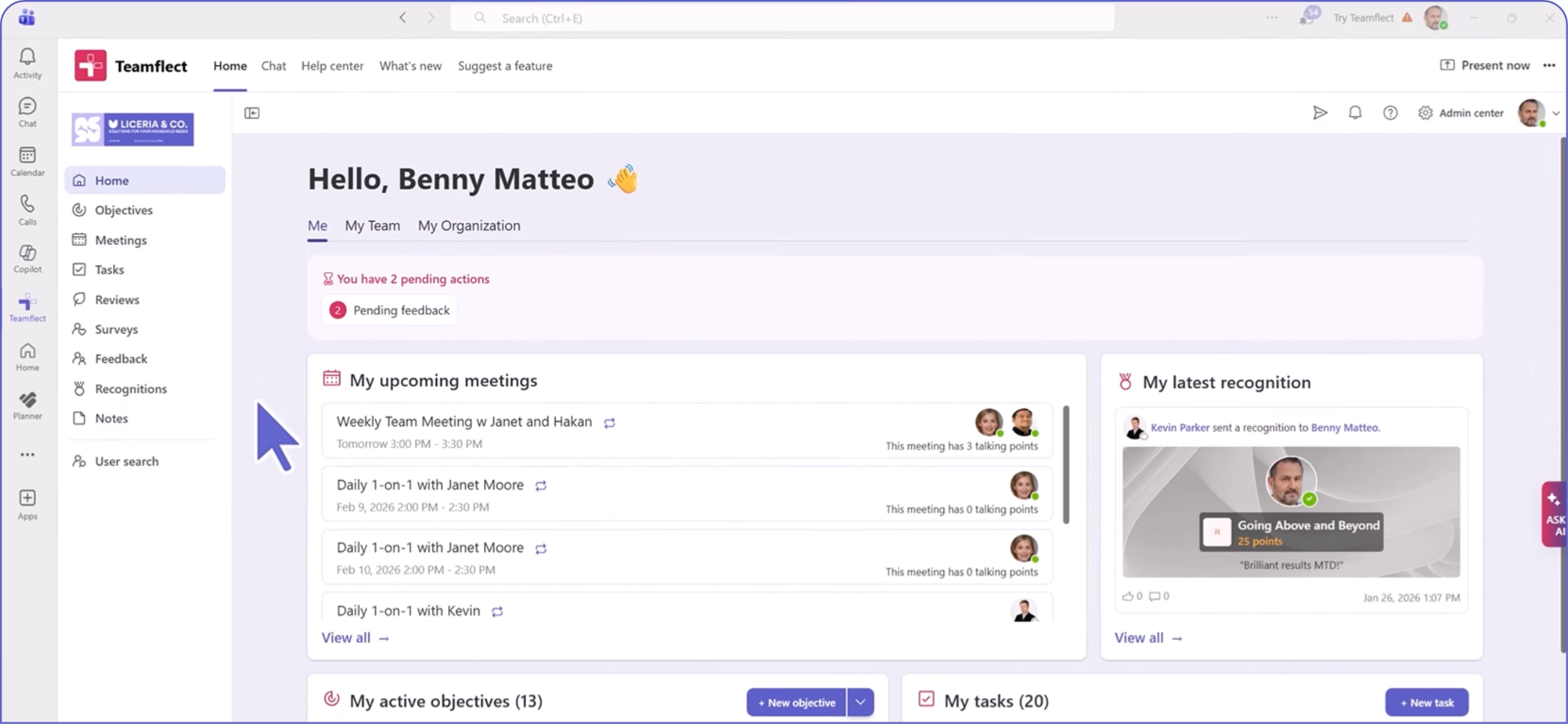
Create high-performing and engaged teams - even when people are remote - with our easy-to-use toolkit built for Microsoft Teams