.svg)
.svg)
Best Goal-Setting Tools in 2026: Comparing Features, Reviews, and Pricing

Updated on:
February 13, 2026


Prefer Teamflect as your HR source on Google
.svg)

Success in 2026 isn’t defined by the goals you set, but by the systems you use to hit them. Recent data shows that when performance management provides high utility, organizations see a 24% boost in employee performance.
When performance management is perceived as having high utility, organizations see workforce performance rise by 24%, employee engagement increase by 14%, and the share of employees who view performance management as fair and accurate jump by 50%, according to Gartner’s global employee survey.
This means the tools you choose must do more than just store data; they must make progress visible and meaningful for every team member.
Choosing the right platform is the difference between a forgotten list of objectives and a high-output culture. To help you find the perfect fit, we have ranked and compared the best goal-setting tools of 2026 based on their ability to turn strategy into measurable results.
We evaluated these goal-setting tools based on specific criteria that matter for real-world implementation:
| Tool | What Stands Out | Starting Price | Free Version |
|---|---|---|---|
| Teamflect | Native Microsoft Teams integration, complete performance management | Free for up to 10 users | Yes |
| Stride ERP | Cloud-based deployment with strong customer support | From NGN 30,000.00/month (~$21.95/month) | Yes (Free Trial) |
| Oboard | Deep Jira, Salesforce integration | From $6/user/month (billed annually) | Yes (14-day trial) |
| Weekdone | Weekly check-ins, OKR coaching | From $90/4 to 10 users (billed annually) | Yes (up to 3 users) |
| Perdoo | Strategy execution focus | From €6.40/user/month (~$7.55/user/month, billed annually) | Yes (up to 5 users) |
| Workboard | Enterprise OKR platform | Custom | Yes (trial) |
| Betterworks | Calibration tools, enterprise features | Custom | Yes (trial) |
| Profit.co | AI-powered insights | Custom | Yes (trial) |
| Effy AI | AI-driven performance reviews | From $3/user/month (billed annually) | Yes (up to 5 users) |
| GoalsOnTrack | Personal goal management | From $68/year | No |
Finding the right tool requires balancing functional depth with ease of use. Below are our top picks for 2026, selected for their ability to keep teams aligned and high-performing.
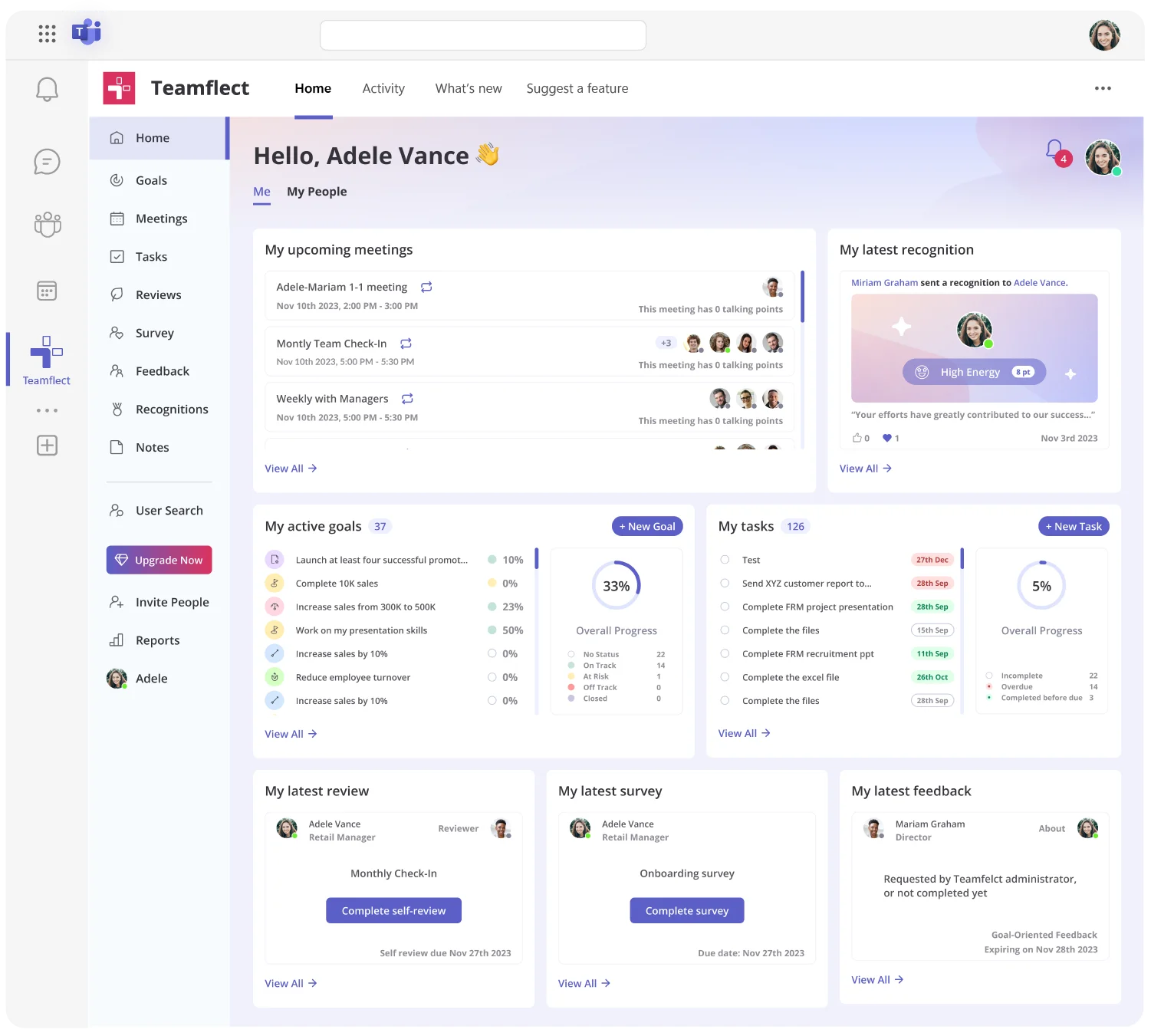
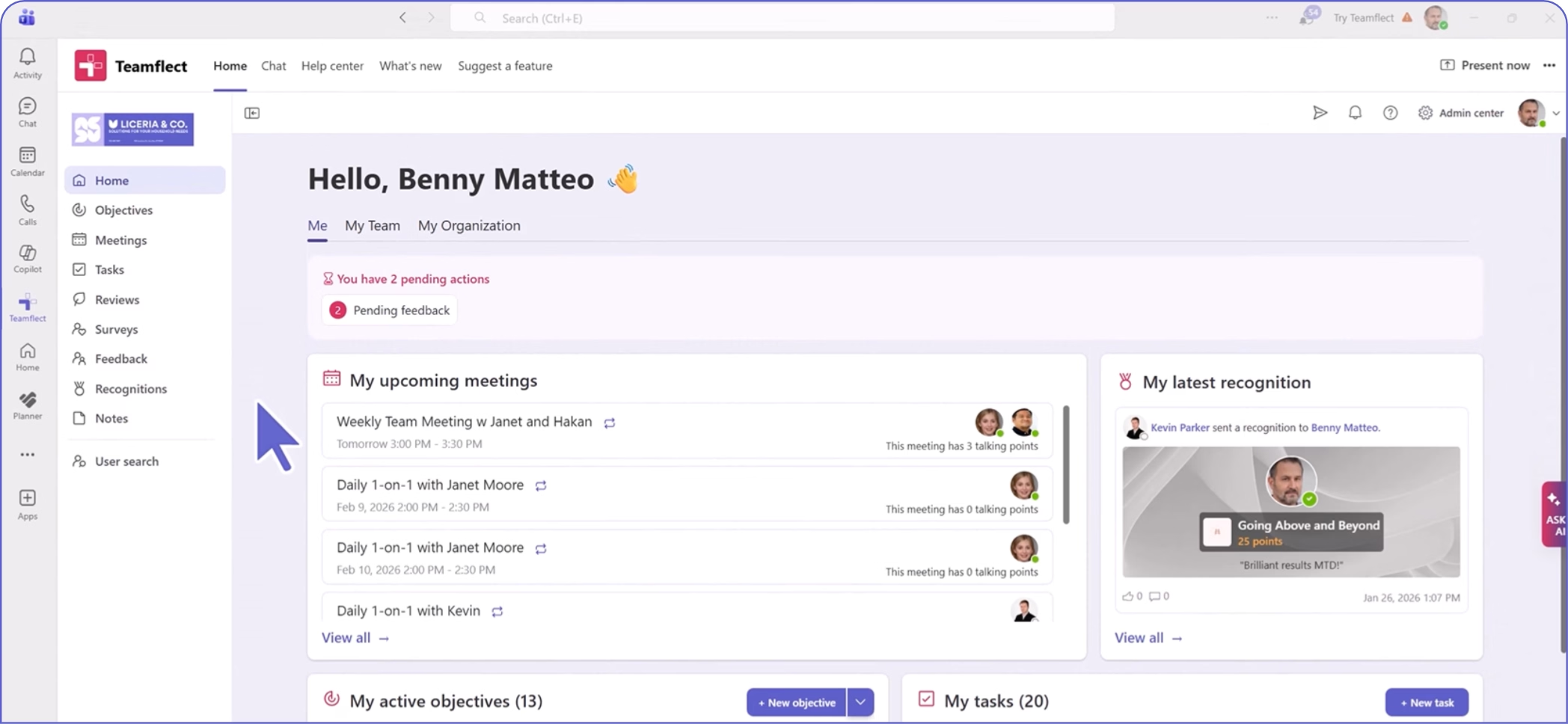
Teamflect is a comprehensive performance management and goal-setting tool built specifically for organizations using Microsoft 365. Unlike standalone goal-setting tools, Teamflect operates natively within Microsoft Teams and Outlook, creating a unified workflow for OKR tracking, performance reviews, and continuous feedback without constant app-switching.
The platform eliminates the disconnected experience common with standalone goal-setting tools by managing the entire employee lifecycle within the Microsoft ecosystem teams already use daily.
“I like how Teamflect helps organize and guide our 1-on-1 discussions. It provides a clear structure where I can list talking points, set goals, and track follow-ups from previous meetings. The reminders and visibility of past notes make conversations with my manager more focused and productive.” - G2 Review
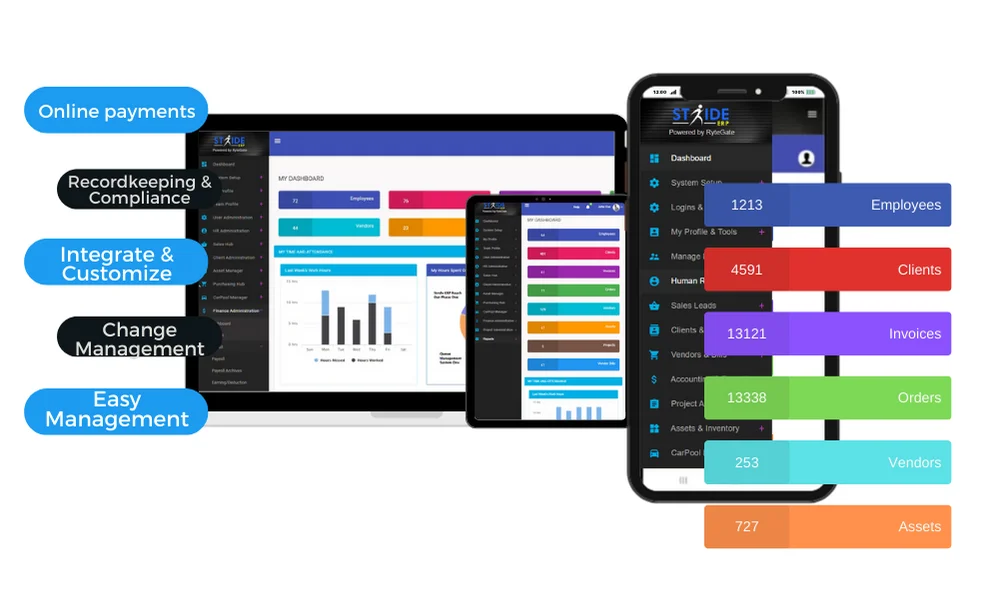
Stride ERP is a cloud-based enterprise resource planning (ERP) software designed for small and medium-sized businesses to streamline operations like HR, payroll, accounting, CRM, asset management, and project management.
“I recently implemented Stride ERP and couldn't be happier with the results. The system is incredibly user-friendly and intuitive, making it easy for our team to adopt and use.” - G2 Review
“Although it works on mobile phones, I would also like it to be in a mobile app.” - G2 Review

Oboard provides OKR and KPI tracking with deep integrations for Jira, Salesforce, monday.com, and Confluence. The platform works well for organizations already invested in these project management and CRM ecosystems, allowing goal management without data duplication across tools.
“My experience has been great. I learned the system within a week of my current role. It is easy to use and there is more to learn.” - Capterra Review
“One drawback of the platform is that it does not allow for a "super user" role with full access to all areas. Additionally, each time a new folder is created, it is necessary to notify the administrator so they can be granted access, which can be inconvenient.” - G2 Review
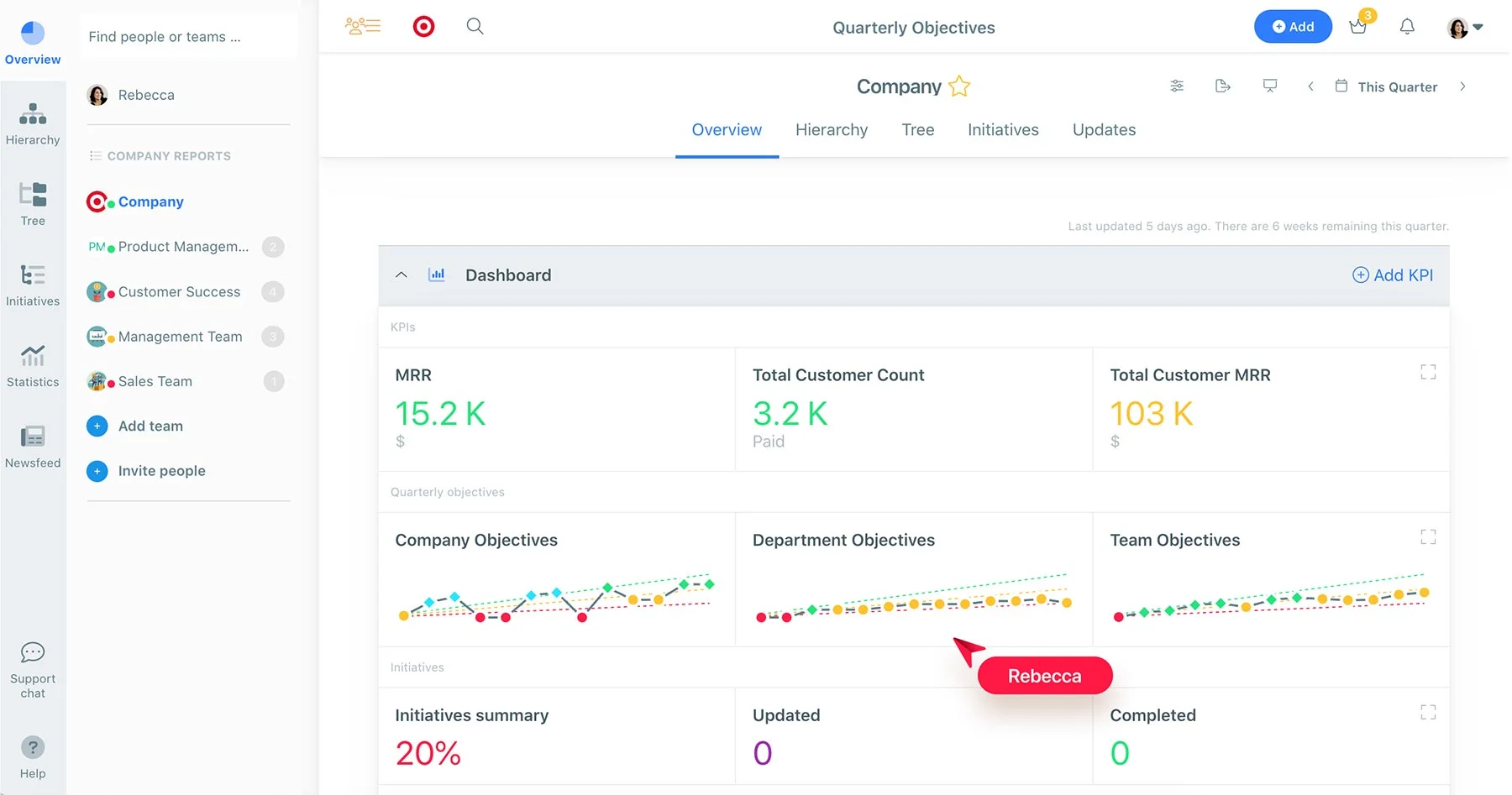
Weekdonecombines OKR methodology with weekly planning and status reporting. The platform emphasizes regular check-ins and includes unlimited OKR coaching with paid plans, making it accessible for teams new to structured goal-setting frameworks.
“Easy to use and configure, track progress and generation of reports.” - Capterra Review
“We integrated Weekdone & Microsoft Teams for 1:1s & other updates but the notifications are not synchronized. Every week we have to delete the cache & re-login Weekdone inside Teams.” - G2 Review
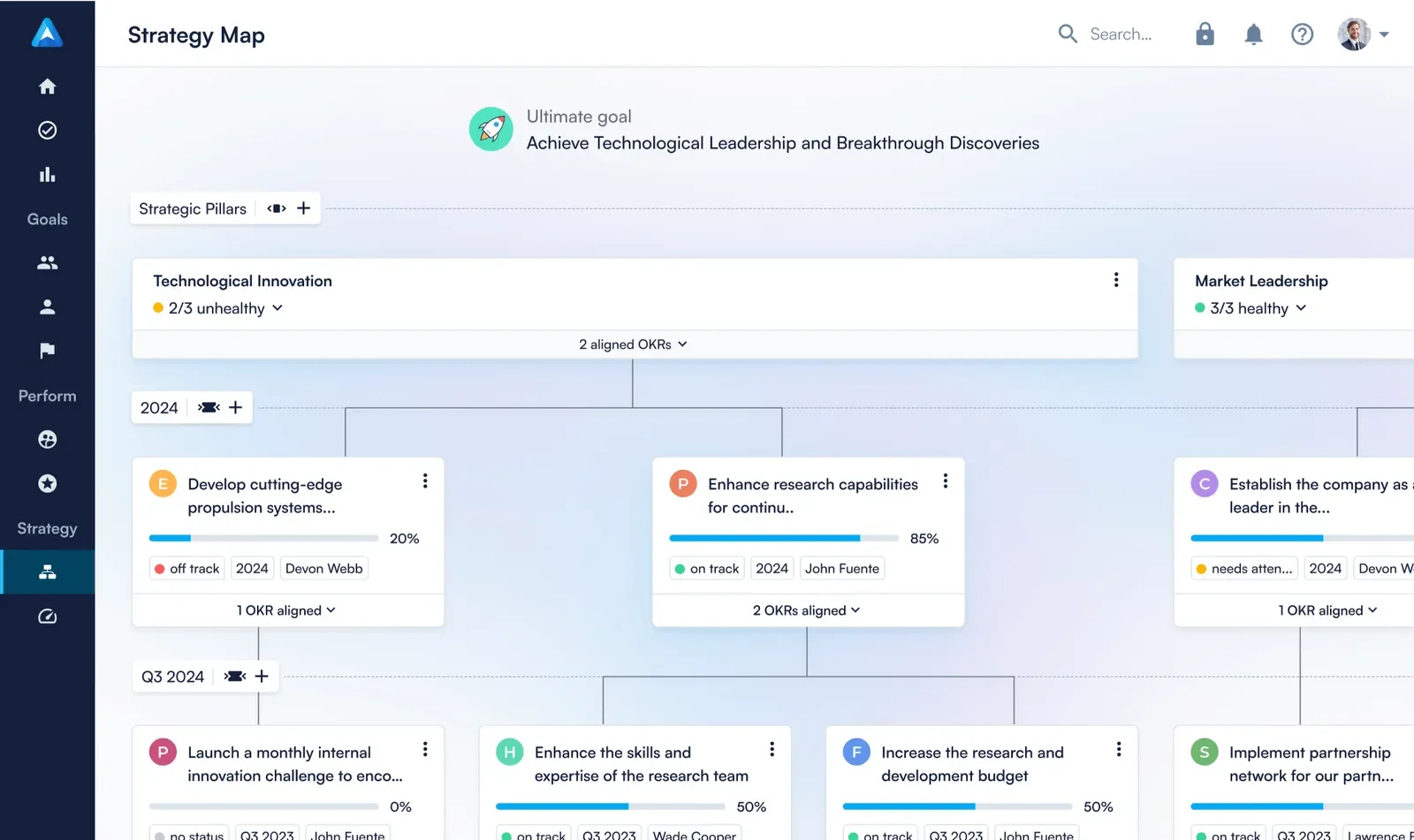
Perdoo integrates OKRs into a broader strategy execution framework, linking high-level priorities with quarterly goals and operational metrics. The platform provides comprehensive tools for visualizing strategy, tracking KPIs alongside OKRs, and connecting individual work to company objectives through its Strategy Map feature.
“Perdoo has been a very strategic system to keep all employees informed in the best way possible about the current strategies that exist so that we are all aligned with the same purpose and achieve the same goal of the strategy together.” - Capterra Review
“There are some areas where I'd appreciate more flexibility in customization - particularly with certain fields and how they behave. For example, the strategy map.” - G2 Review
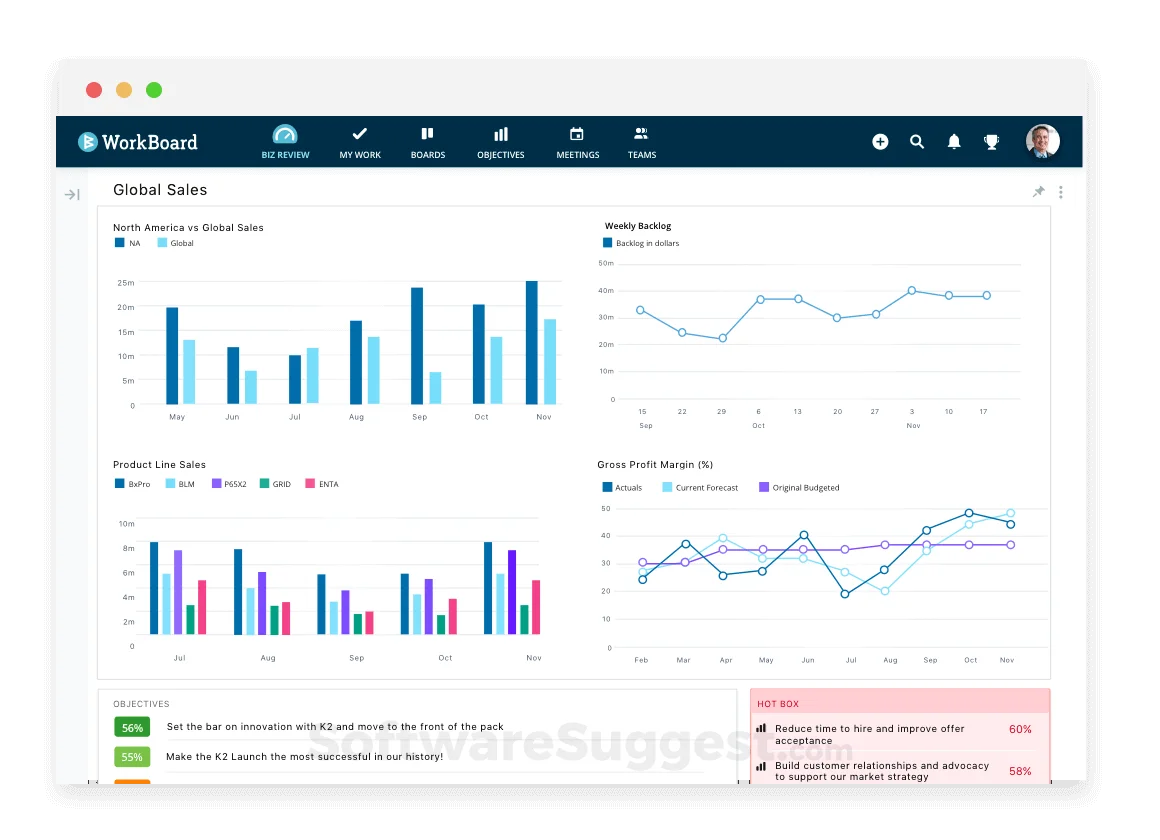
Workboardprovides enterprise-level strategy execution software with AI capabilities that analyze goal progress and provide actionable insights. The platform serves organizations like Microsoft, Ford, and Walmart, offering comprehensive OKR management with advanced analytics and automated business reviews.
“OKR metrics are the next, and much improved, evolution of managing business strategy. Workboard allows me to drive my business in an efficient manner by staying faithful to the Doerr/Google methods.” - Capterra Review
“Scorecards/canvas can have bugs. Some UX opportunities for improvement in how we navigate and level up information for people. Make it easier for wobo admins to have more control and access.” - G2 Review
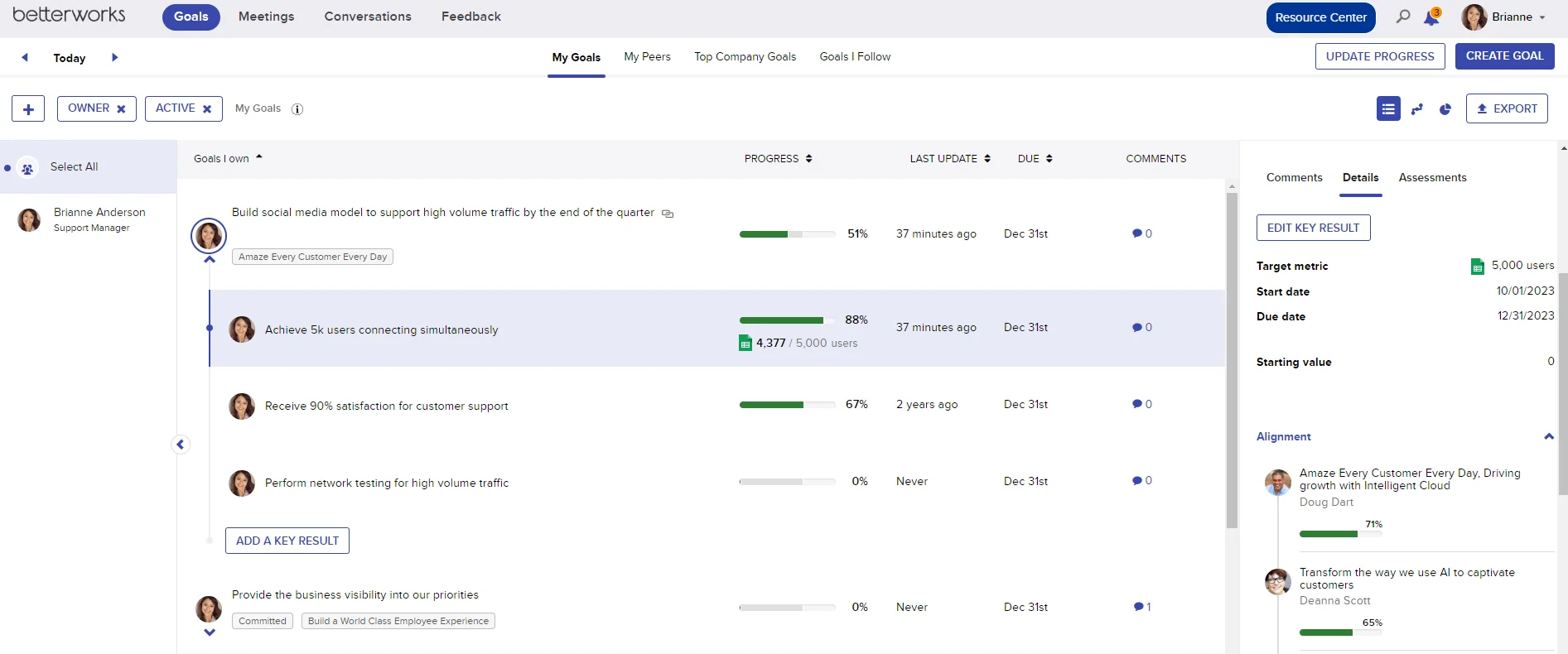
Betterworks offers comprehensive performance management combining OKRs with calibration tools and talent reviews. The platform works well for enterprises needing integrated goal management alongside formal performance processes.
“The goal-setting and tracking features made it easy to stay focused and measure progress, which really helped with accountability and performance.” - Capterra Review
“The interface could be more intuitive and inviting, with features that encourage ongoing conversations rather than just ticking boxes. Also, some customization options are still limited, which means we rely on support teams more than I’d like when we want to make quick changes.” - G2 Review
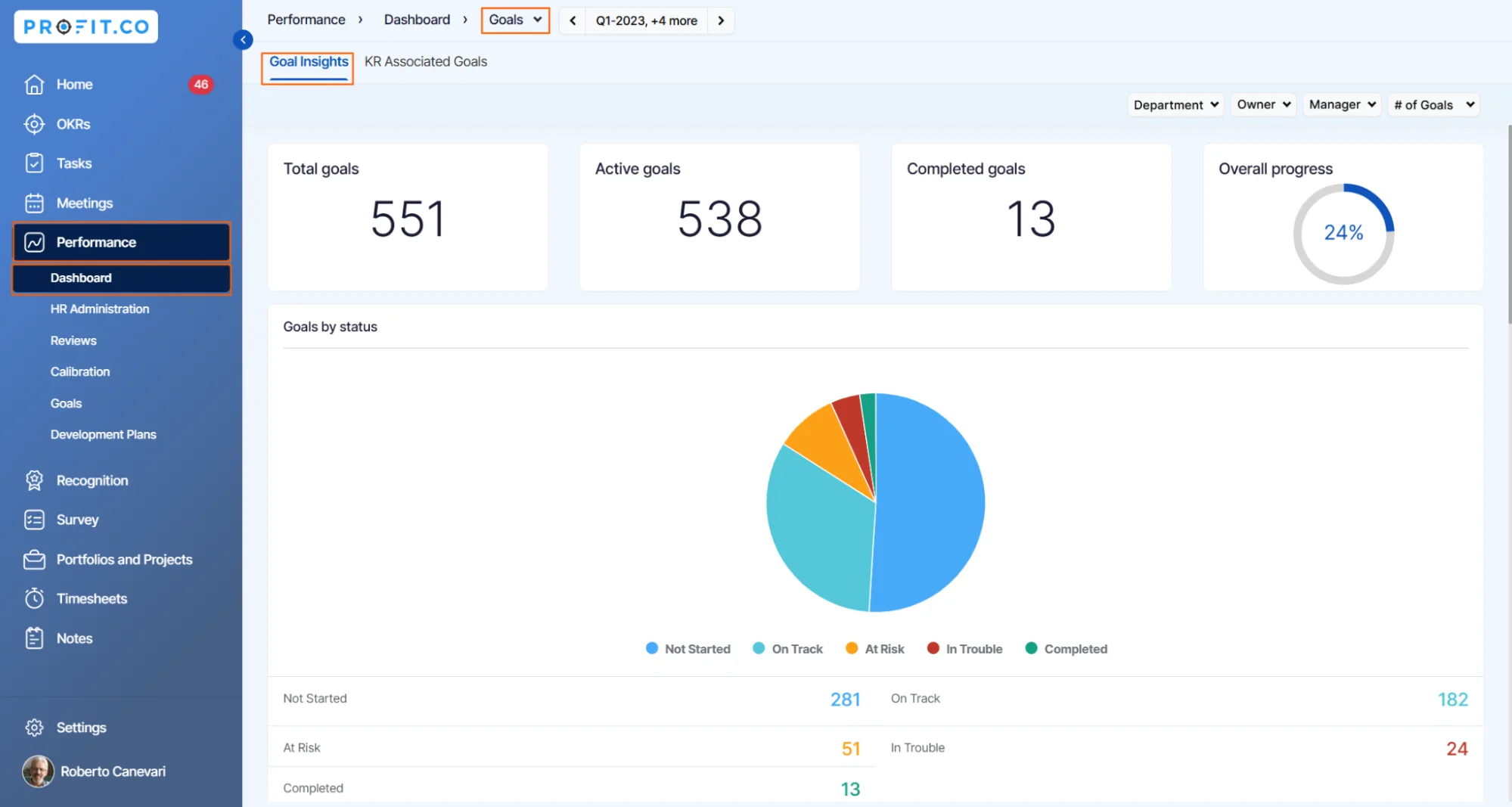
Profit.co combines OKR management with AI-powered features that automate goal creation, progress tracking, and performance reviews. The platform reduces administrative overhead while maintaining comprehensive goal visibility.
“The software is user friendly,easy to set up and adjust. The team is constantly working on customizing the [software] to meet our expectations.” - Capterra Review
“Some processes in Profit.co still require too many manual steps. For example, the integration with Jira is limited — KPI-type KRs cannot be directly linked to Jira items, which reduces automation. In addition, the UX is not very intuitive; our team often reports difficulties with navigation and overall usability. Finally, it would be very valuable if the software allowed for deeper customization, so that each company could adapt it more closely to their specific needs.” - G2 Review
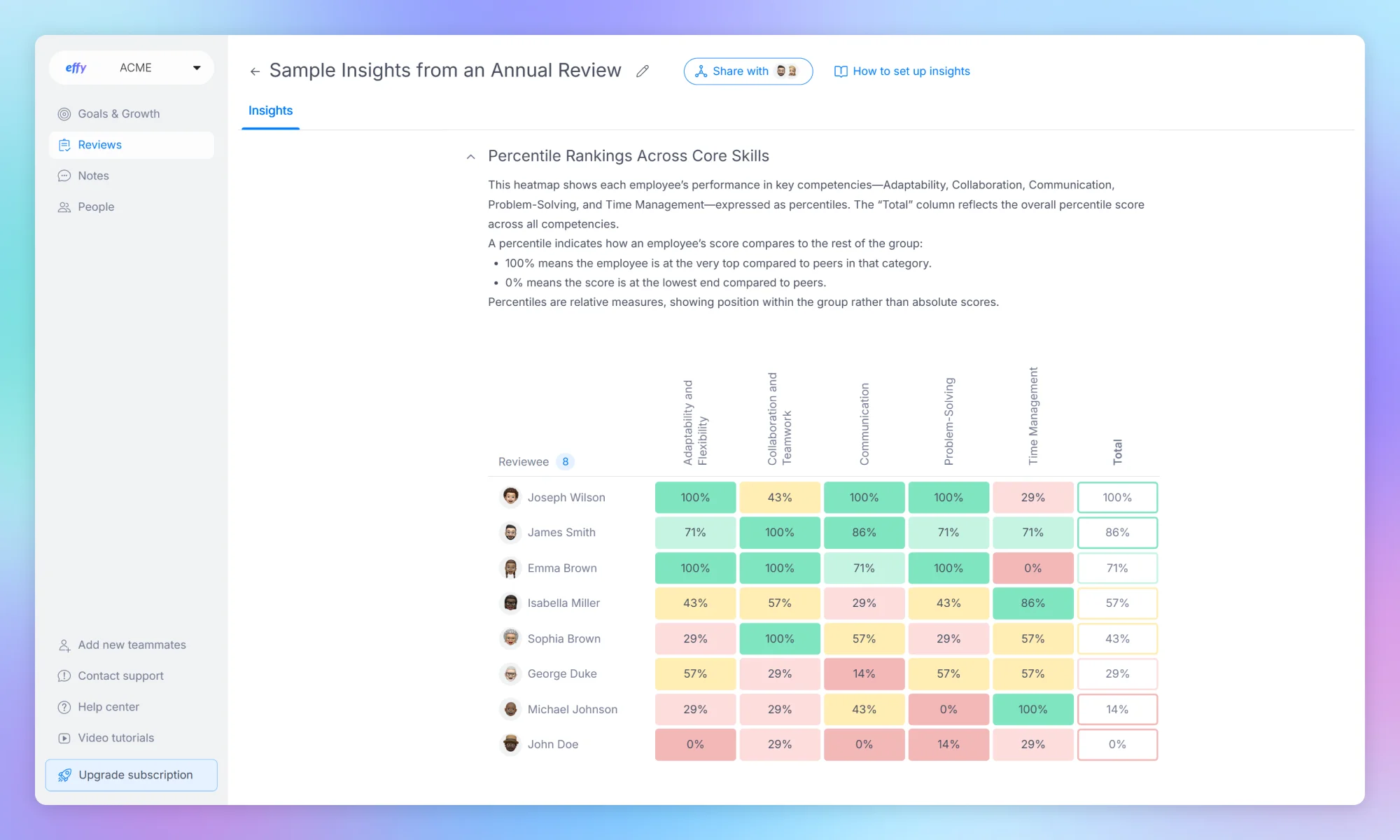
Effy AI is an AI-first performance management platform built specifically for small and mid-sized businesses. The platform cuts review admin time by automating form creation, collecting feedback, and generating unbiased summaries with AI capabilities that require zero learning curve.
“Best thing about the is the ease of use and great support from the Effy team.” - G2 Review
“Some features are still evolving, like template suggestions for new users, but nothing critical is missing. The product works great out of the box, and we can already see how much faster our processes have become.” - G2 Review
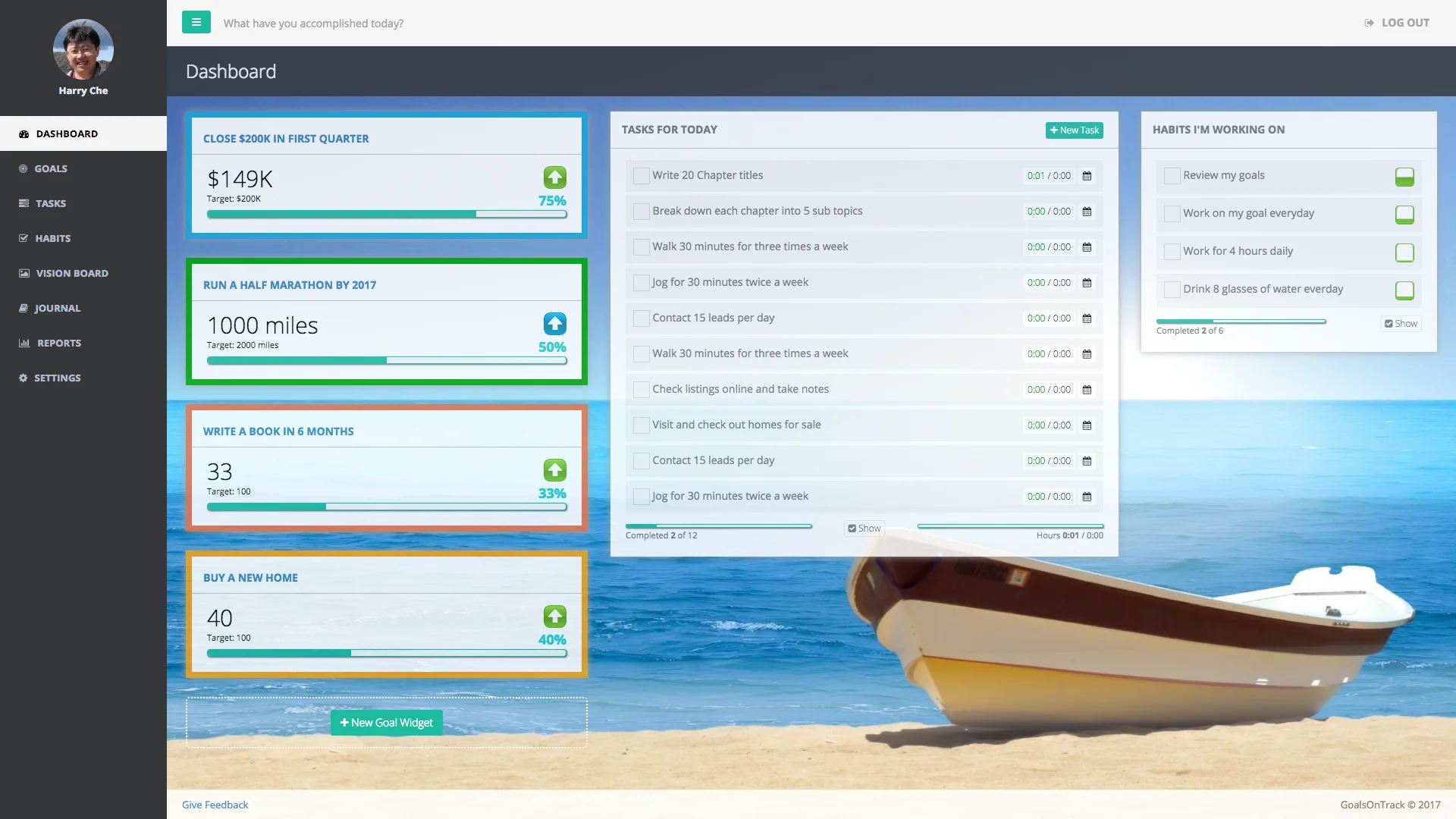
GoalsOnTrack provides comprehensive personal goal management with focus on SMART goal methodology, habit tracking, and vision board creation. The platform works well for individuals and small teams wanting structured approaches to personal and professional development.
“The whole is very ergonomic and clean. It's a real pleasure. The indicators are also very well presented. This software is very pleasant to use and the team quickly answers all our questions.” - G2 Review
“I would like to see a function to easily add tasks on the kanban board and an option to see all my tasks across goals, ordered by due date.” - G2 Review
Choosing the right goal-setting platform requires understanding which capabilities matter most for your organization. These core features separate basic tracking tools from comprehensive solutions that drive real business results.
Look for platforms built around the Objectives and Key Results methodology. The best OKR software automates progress tracking, provides alignment visualization, and supports cascading goals from company level to individual contributors.
Your goal-setting tool should connect with existing workflows rather than creating another isolated system. For Microsoft 365 users, native Teams integration eliminates app-switching and improves adoption. Look for connections to project management platforms, HRIS systems, and communication tools your teams already use daily.
Static quarterly reviews miss opportunities for course correction. Choose platforms offering continuous progress updates, automated reminders for check-ins, and dashboards showing current status. Real-time visibility helps teams identify blockers early and maintain momentum toward targets.
Data-driven goal management requires robust reporting capabilities. Look for customizable dashboards, trend analysis, and the ability to generate reports for different stakeholders. Advanced platforms include AI-powered insights that surface patterns in goal achievement and team performance.
Goals rarely exist in isolation. Effective platforms include commenting, @mentions, shared workspaces, and transparency controls. These features enable teams to collaborate on cross-functional objectives while maintaining appropriate privacy for sensitive goals.
Different organizations benefit from goal-setting platforms in unique ways. Understanding which use cases match your situation helps identify the right solution.
Organizations expanding beyond 50 employees need structured goal alignment to prevent silos and maintain focus, and Gartner’s research shows that when performance management systems deliver high utility, workforce performance can be 24% higher than in organizations with low‑utility approaches.
Teams working across locations require visible, accessible goal tracking. Platforms with strong collaboration features, regular check-in mechanisms, and mobile access keep distributed teams aligned despite physical separation.
Companies invested in the Microsoft ecosystem benefit significantly from native Teams integration. Rather than adopting another standalone tool, platforms like Teamflect embed goal management directly into existing workflows, improving adoption and reducing tool fatigue.
Large organizations with established review cycles need platforms connecting OKRs to performance assessments, talent reviews, and compensation decisions. Look for comprehensive solutions integrating goal achievement data into broader HR processes.
Organizations beginning their OKR journey benefit from platforms offering coaching, templates, and guided setup. Look for solutions with strong onboarding support and educational resources rather than complex enterprise tools requiring existing expertise.
The right choice among the best goal-setting tools in 2026 depends on your organization's size, existing tools, and specific requirements. Teamflect ranks highest for organizations using Microsoft 365 due to its native Teams integration and comprehensive performance management features.
Goal-setting tools improve team performance by creating visibility into objectives, maintaining alignment across departments, and providing data for informed decisions.
These platforms enable regular check-ins, identify blockers early, and ensure individual work connects to company objectives. The best tools also provide analytics showing progress trends and areas needing attention.
Look for OKR framework support, integration with existing workflows, real-time progress tracking, robust analytics and reporting, and collaboration features.
For Microsoft 365 users, native Teams integration is critical for adoption. Choose platforms offering customizable dashboards, automated check-ins, alignment visualization, and appropriate privacy controls.
Consider whether you need additional capabilities like performance reviews, employee engagement surveys, or talent management software features beyond basic goal tracking.
Yes, Teamflect provides native Microsoft Teams integration for complete goal management without leaving the Teams environment. The platform functions as a Teams app, allowing users to set OKRs, track progress, conduct performance reviews, and share feedback directly within Teams and Outlook. This eliminates app-switching and drives higher adoption than standalone tools. Other platforms like offer basic Teams integrations, but synchronization issues often frustrate users.
Compare tools based on integration capabilities with existing systems, ease of use and adoption rates, scalability as your organization grows, pricing structure including hidden costs, analytics and reporting depth, and support quality during implementation.
For teams using Microsoft 365, native integration is critical. Evaluate whether you need standalone goal tracking or comprehensive talent management software combining goals with performance reviews and employee engagement features.
Goal-setting tool costs vary significantly based on features and organization size. Consider total cost including implementation, training, and additional modules rather than just per-user fees.
Teamflect provides the most comprehensive native Microsoft Teams integration for goal-setting and performance management. The platform operates entirely within Teams and Outlook, allowing users to set OKRs, track progress, conduct reviews, and manage feedback without leaving the Microsoft ecosystem.
While other tools like Weekdone offer Teams connectors, they often experience synchronization issues and require switching between applications, reducing the integration benefits.
Yes, several 2026 goal-setting platforms incorporate AI features. Notably, Teamflect includes AI-powered analytics for performance trends and goal alignment. These features automate routine tasks, surface insights from goal data, and provide recommendations for improving outcomes. However, core goal-setting still requires human judgment about priorities and objectives.
Enterprise companies typically choose Betterworks, Workboard, or Perdoo for advanced features like calibration tools, strategic planning integration, and comprehensive analytics. Teamflect also serves enterprise teams on Microsoft 365, with native integration and enterprise-grade capabilities built in.
Large companies need platforms supporting complex organizational structures, extensive customization, formal performance management processes, and robust security. Evaluate vendors based on implementation support, scalability, and integration with existing HR systems.
Teamflect offers the most generous free plan, providing full functionality for up to 10 users with no time limit. This includes OKR software, performance reviews, engagement surveys, and Microsoft Teams integration. For small teams, Teamflect's free plan provides comprehensive goal-setting capabilities without financial commitment.
.avif)
Create high-performing and engaged teams - even when people are remote - with our easy-to-use toolkit built for Microsoft Teams
.svg)