.svg)
.svg)
The Death of Employee Loyalty In The Workplace: Who Is To Blame? – 2026

Updated on:
January 18, 2026

Prefer Teamflect as your HR source on Google
.svg)

After years of quiet quitting, shifting career expectations, and a more uncertain job market, frustration around loyalty is louder than ever. Employees do not stay long. They leave fast. And many leaders are asking whether loyalty still exists at all.
But the reality is more nuanced. Recent workforce research, including insights from Gallup, suggests that today’s loyalty challenges have less to do with age and more to do with engagement, leadership, and trust. In fact, many employees remain open to leaving not because they are disloyal, but because they feel disconnected.
As we move into 2026, employee loyalty is not disappearing. It is being redefined. In this article, we break down what loyalty really looks like today, using Gallup’s insights to explore why employees stay, why they leave, and how organizations can build commitment that lasts.
Too long, don’t want to read: No. Do you want a more nuanced answer? It’s complicated. Allow us to explain.
When we discuss the so-called “Death of Employee Loyalty”, the question we really have to answer is, “What is employee loyalty?”.
We aren’t talking about a dictionary definition of employee loyalty. We are talking about what that concept used to mean and what it means now. A volatile and fluid definition.
In a more traditional, old-fashioned sense of the word, employee loyalty is a matter of longevity.
To put it simply, employees who exhibit loyalty stay with a company for an extended period, demonstrating their commitment and dedication by investing their time and skills in the organization’s success.
This particular understanding of employee loyalty is akin to a steadfast marriage, with unwavering commitment and long-term dedication to a single employer. It was all about the employee sticking around for years, no matter what.
This employee loyalty definition, sadly, is either dead or on its last legs. So what does employee loyalty look like to the modern employee?
Nowadays, career paths are more fluid, and individuals are less inclined to stick with one company for their entire working lives. And guess what? That’s not necessarily a bad thing.
With the advent of new technologies, remote work, and an array of enticing career options, employees are expanding their horizons and spreading their wings.
The common employee loyalty definition, centered on unwavering allegiance to a single employer, may no longer be practical or even desirable in the current landscape.
The modern definition of loyalty is less about blind allegiance and more about mutual trust, respect, and a shared vision between employees and employers.
It’s about creating a mutually beneficial relationship where both parties benefit and grow together.
This definition of employee loyalty is still alive and well!
In the past, it was common for employees to stay with the same company for their entire careers. But those days are long gone.
Today, employees are more mobile than ever before, and they are more likely to change jobs if they find a better opportunity.
There are a number of reasons why employees are less loyal now:
The job market is more competitive than ever before. With so many jobs available, employees have more options, and they are less likely to feel tied to any one company.
Another reason why employees are less loyal is that workplace expectations have changed. In the past, employees were expected to be loyal to their employers, even if they were not happy with their jobs.
But today, employees expect to be treated with respect and to have opportunities for growth and development. If their employers do not meet these expectations, they are more likely to leave.
Some employees simply do not trust their employers. In the wake of corporate scandals and layoffs, many employees have lost faith in the idea of job security. They are more likely to focus on their own careers and move on if they find a better opportunity.
So, what does all of this mean for employers? It means that they need to find new ways to attract and retain employees.
They need to offer competitive salaries and benefits, and they need to create a workplace culture that is based on trust and respect. If they can do these things, they will be more likely to build a loyal workforce.
Here are some specific examples of why employees are less loyal now:
At the end of the day, employees are far more independent now than ever, even before, during, or after their employment. Is that so bad? Let’s talk about it.
Some employers who have worked through both concepts of employee loyalty can often get bothered by the sense of independence that employees often develop.
An employee being independent is unthinkable under employee loyalty 1.0. After all, the mentality of “Keep your head down and keep going.” doesn’t really apply to the workforce, does it?
We are here to tell you that having employees who have a strong sense of independence is actually a blessing in disguise. How? Well…
The common misconception is that independent employees are ones who already have their foot out the door.
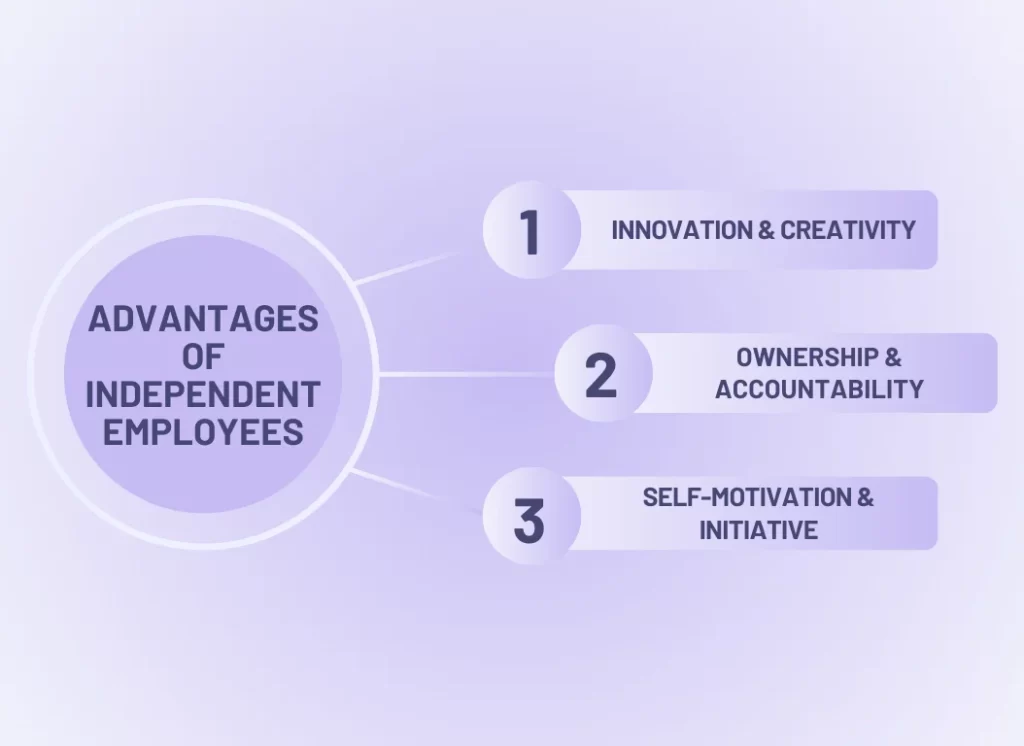
But on the contrary, these individuals often tend to exhibit a sense of self-motivation, autonomy, and a drive to excel in their roles. Let’s explore the benefits that come with having independent employees.
Independent employees tend to think outside the box and bring fresh perspectives to the table. Their autonomy allows them to explore new ideas, take calculated risks, and propose innovative solutions to challenges.
When an organization fosters independence, it can tap into the creative potential of its workforce, leading to enhanced problem-solving and innovative practices.
Independent employees take ownership of their work and hold themselves accountable for their outcomes.
They have a strong sense of responsibility towards their roles and understand the impact of their contribution to the organization’s success.
Independent employees are inherently self-driven and take the initiative to excel in their work. They don’t rely solely on external motivation or constant supervision to deliver results.
They own their goals. They own their agendas and when the time comes to act, they can take the necessary initiative.
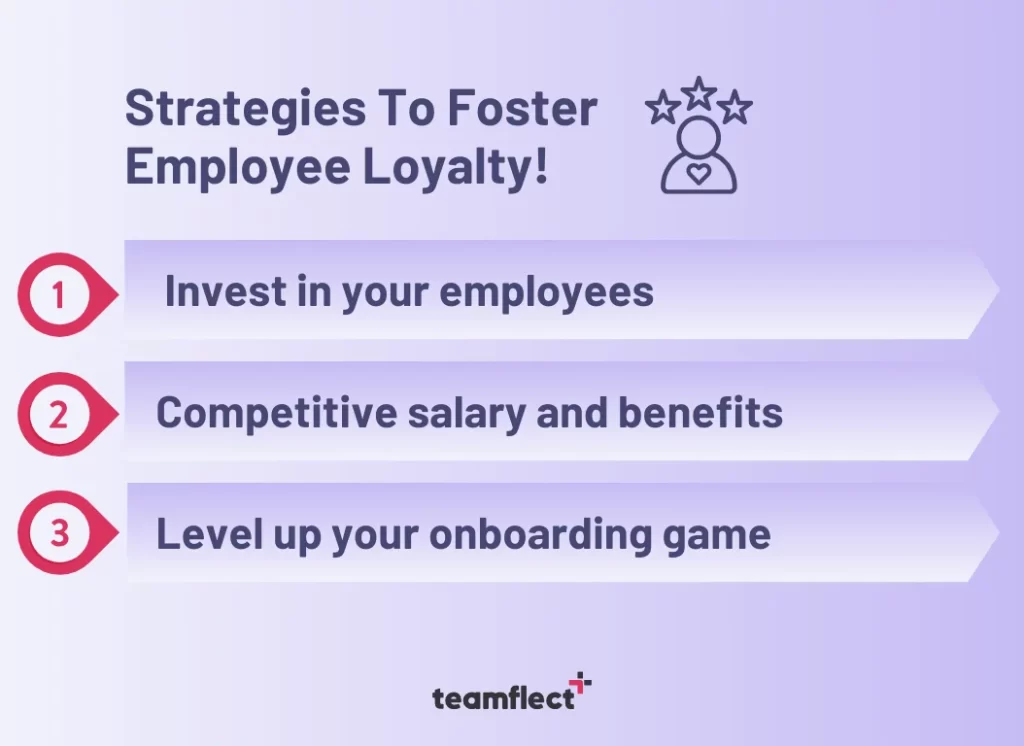
Now that we’ve gone over employee loyalty definitions, outdated and relevant, and discussed the benefits that come with having independent employees, let’s talk about some of the ways you can foster loyalty in the workplace.
The modern employee isn’t just content with having a job. And honestly, good for them! Gone are the days of blind gratitude just for the privilege of simply being a part of the company.
Your employees are more invested in their own personal journey than the companies. And they have every right to be!
In order to foster a culture of empowerment and loyalty in employees you need to make sure they know that you are investing in their personal career journey as well. You can do this through:
Here is a statement that you can take to the bank: Nobody works a 9 to 5 job just for the sake of working it. Don’t let anybody convince you otherwise.
While your employees may like a great many things about your organization the main reason they are there is to earn a decent living. Most of the time, the curious case of disappearing workplace loyalty, is just a simple issue of lackluster pay.
First impressions, last. If your employees make up their minds about your organization during the onboarding process, it will be nigh impossible to change them.
So you should make sure you are creating a great first impression. The best way to do that is through an effective onboarding process.
Onboarding new hires is easier said than done. While there are many helpful employees onboarding templates you can follow, the best possible tool to help you onboard new employees is:
Teamflect is the best onboarding software for Microsoft Teams and one of your closest allies in the battle against employee turnover rates.
As an all-in-one performance management system, Teamflect doesn’t just support your employees through the onboarding process but at all times. With empowering features such as:
Teamflect is an incredibly powerful tool that will help you boost staff loyalty. The best part is, Teamflect’s free plan offers full functionality for up to 10 users with no time limits.
This means you can demo Teamflect out for as long as you need and if you’re happy with the results, then you can invest in it!

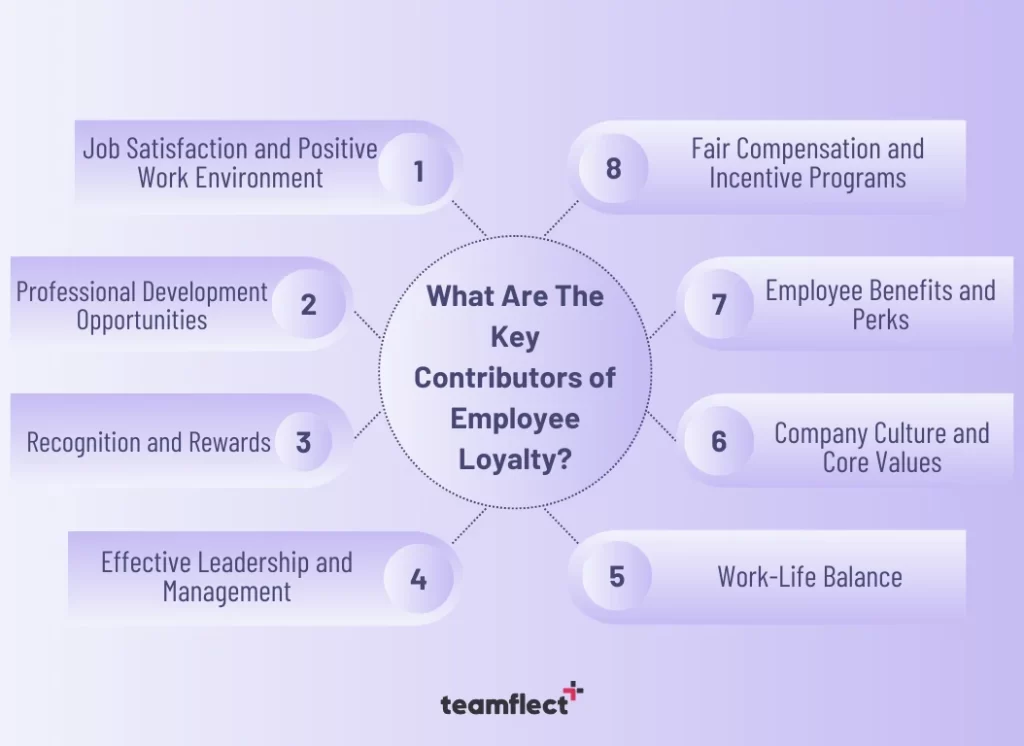
One of the key contributors of employee loyalty is working in a positive work environment and job satisfaction. Positive work environments are characterized by open and democratic communication as well as respect for everyone. Transparent communication can further improve job satisfaction levels and this may lead to workplace loyalty.
According to Gallup, work plays a major role in how employees evaluate their overall quality of life, making a positive work environment critical for sustaining employee loyalty.
Providing your employees with professional development opportunities can improve company loyalty as by supporting employees in their professional growth journey will signal that you are committed to their long-term success.
Recognition and rewards are among the key contributors of employee loyalty. You need to regularly acknowledge hard work and provide rewards like promotions and bonuses to keep your employees loyal to their company.
You can also implement incentive programs and publicly recognize your employees to boost loyalty in the workplace.
Strong employee loyalty starts with effective leadership and management. When leaders communicate openly, provide consistent support, and create space for feedback, employees are more likely to feel valued and committed to the organization.
Gallup’s report also supports this link, showing that managers who receive even basic training are significantly less likely to be disengaged despite many managers stepping into leadership roles without formal preparation. When managers feel supported and confident in their role, they are better positioned to build trust, strengthen relationships, and support long-term employee loyalty.
You need to prioritize work-life balance to show respect for your employees’ needs and personal lives. You can achieve this by offering flexible work arrangements and remote options.
Establishing a strong company culture based on core values can contribute to a sense of belonging among your team.
You can also promote inclusivity, diversity, collaboration, and innovation to create an environment where your employees are proud to be part of your company.
Providing your employees with comprehensive benefits and perks like wellness programs, retirement plans, and health insurance will lead to employee loyalty and happiness.
On top of that, you can provide extra conveniences such as easy access to payslips online or team coffee breaks to improve company loyalty.
You also need to ensure fair compensation for contributions and hard work of your employees to retain your talent and enhance employee loyalty.
You can do so by implementing well-designed incentive programs that are tied to performance and motivate employees to go above and beyond in their roles.

.svg)
.avif)
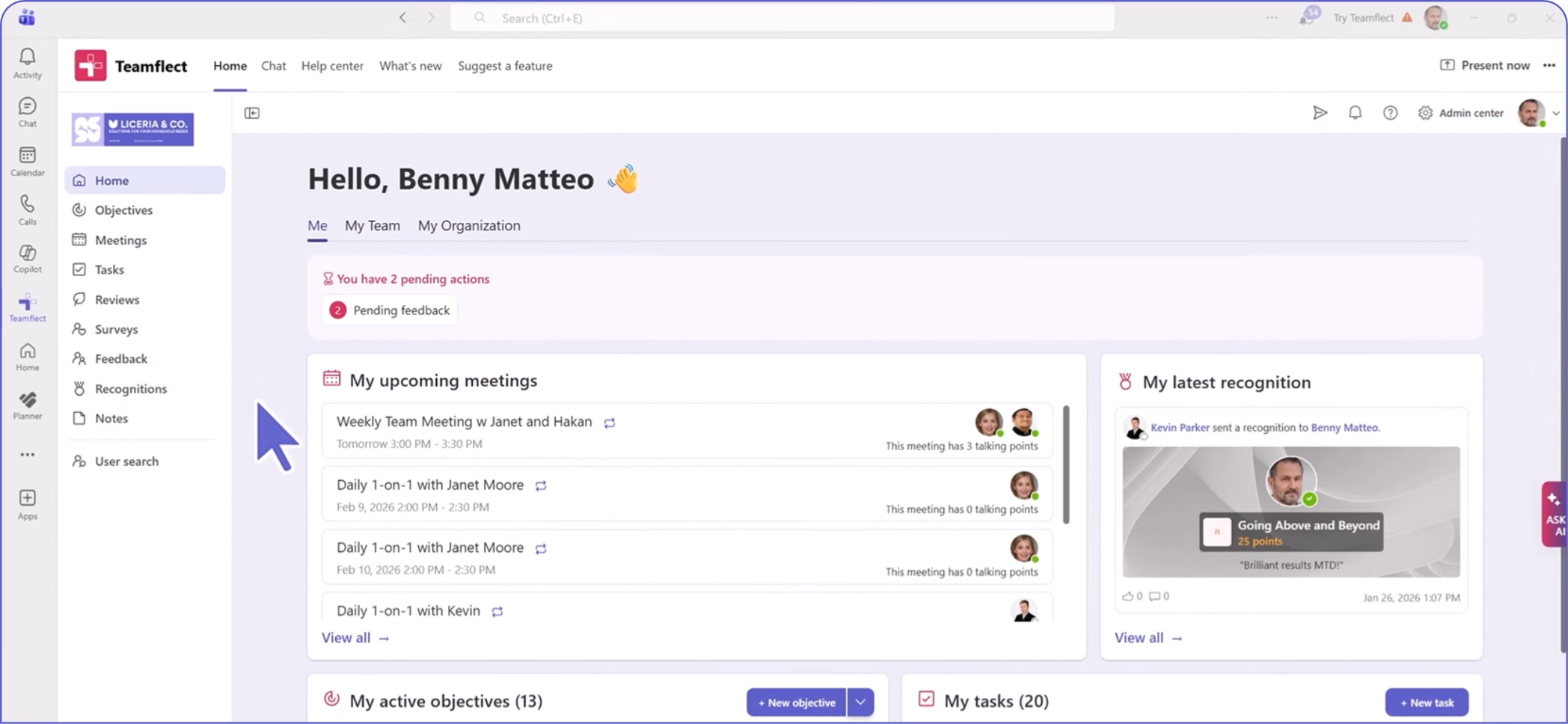
Create high-performing and engaged teams - even when people are remote - with our easy-to-use toolkit built for Microsoft Teams