.svg)
.svg)
Alternatives to Annual Performance Reviews (What Works Better Today)

Updated on:
January 16, 2026


Prefer Teamflect as your HR source on Google
.svg)

Many organizations are moving away from the burden of annual performance reviews in favor of a more practical approach to employee growth. These traditional, once-a-year evaluations often act as bureaucratic hurdles that merely document the past instead of improving future results.
In their place, companies are adopting continuous, goal-based check-ins that prioritize real-time development. Studies suggest that this transition shows how feedback carries the most weight when it is timely, authentic, and integrated directly into the daily workflow.
The traditional annual review model assumes work stays stable for twelve months and that managers can accurately recall performance from January when sitting down to write evaluations in December. Neither assumption holds true anymore.
By the time employees hear about mistakes or missed opportunities, months have passed, and the context has disappeared. The chance to correct the course has long expired.
Managers remember the last few weeks or months clearly while earlier performance fades from memory. An employee who struggled in Q1 but improved dramatically gets judged primarily on recent work, just as someone who started strong but declined gets penalized for a rough finish.
The annual review becomes a verdict on their worth instead of a conversation about growth. This creates anxiety and defensiveness that makes honest dialogue nearly impossible.
Instead of leadership opportunities to support their teams, managers see reviews as additional paperwork. Deadlines loom, forms pile up, and the quality of feedback suffers under time pressure.
When projects shift monthly, priorities change weekly, and teams collaborate across time zones, waiting a full year to discuss performance makes no sense. The review process itself becomes disconnected from how work actually happens.
The structural issues with annual reviews create predictable failures that hurt both employees and organizations. Understanding these problems helps explain why alternatives to annual performance reviews have gained traction.
These problems compound over time. Poor feedback quality reduces trust. Low engagement decreases performance. Inconsistent standards create resentment. The annual review becomes something everyone dreads rather than a tool that helps people grow.
High-performing organizations have moved away from rigid, once-a-year evaluations. Instead, they utilize a model centered on speed, agility, and development. Here’s how these companies structure their performance systems.
The primary shift in modern performance management is the move toward immediacy. Instead of saving critiques or praise for a formal meeting months later, high-performing cultures prioritize feedback that happens in the flow of work.
Rather than scheduling heavy administrative sessions, successful companies integrate performance conversations into the existing rhythm of the business.
Static goals set in January are often irrelevant by June. High-performing organizations use ongoing alignment to ensure everyone is working on what matters most at this exact moment.
The ultimate goal of these alternatives is to view performance as a constant state of growth rather than a periodic audit.
Multiple alternatives to annual performance reviews have proven effective across different organizational contexts. Each approach offers distinct advantages depending on team structure, work type, and company culture.
Continuous feedback is an ongoing cycle where managers observe work, provide timely input, and follow up on progress throughout the year without waiting for formal review periods.
Managers give both positive reinforcement and constructive guidance as events happen. Feedback conversations become routine rather than special occasions. Documentation happens continuously instead of annually.
Continuous feedback loops require discipline and systems to maintain consistency. Without structure, it can devolve into occasional comments that lack documentation or follow-through.
Check-ins are scheduled one-on-one meetings between managers and employees that happen weekly or biweekly, creating predictable space for performance conversations alongside project updates.
Managers and employees meet consistently to discuss current work, obstacles, wins, and development needs. These sessions follow loose agendas that balance tactical updates with strategic growth discussions.
One-on-ones lose value when treated as status meetings rather than development conversations. They also fail when managers cancel them frequently or come unprepared.

Goal-based performance reviews involve an evaluation tied directly to specific, measurable objectives set at the beginning of a period, with progress tracked and discussed throughout rather than assessed only at the end.
Employees and managers agree on clear goals with success criteria. Regular check-ins track progress and adjust goals as business needs change. Reviews assess goal achievement and set new objectives rather than rating personality traits.
Overemphasis on goals can neglect important work that falls outside defined objectives. It can also create tunnel vision where employees ignore valuable opportunities that don't map to their goals.
Project-based or milestone reviews are performance discussions that occur at natural completion points, such as project delivery or quarterly milestones, rather than following a fixed annual calendar.
Teams conduct retrospectives or reviews when projects finish or phases complete. Feedback covers recent work while details remain accessible. Multiple reviews throughout the year capture performance across different contexts.
Project timing may create uneven review cadences where some employees get evaluated frequently while others wait months between reviews. It also requires discipline to conduct reviews after every project rather than skipping them when teams rush to the next deadline.
Development-focused reviews are conversations centered on skill building, career growth, and future capabilities rather than backward-looking evaluation of past performance.
Managers and employees discuss strengths, development areas, learning opportunities, and career aspirations. The focus stays on where the employee wants to grow and how to get there rather than judging what already happened.
Development focus doesn't eliminate the need to address performance problems. Organizations still need mechanisms to document issues and manage underperformance separately from growth conversations.
The differences between traditional and modern approaches run deeper than timing. They reflect fundamentally different philosophies about how people improve and what motivates performance.
Modern alternatives recognize that performance isn't static and people improve through frequent adjustment rather than annual revelation. They treat feedback as a tool for growth instead of a weapon for judgment.
The shift also acknowledges that managers need better tools than spreadsheets and forms. A performance review software like Teamflect that supports continuous feedback, automated reminders for check-ins, and integrated goal tracking makes modern approaches practical rather than theoretical.
While the trend is moving toward continuous feedback, the annual review still has its place in specific organizational structures. Here is a breakdown of when and why they remain in use.
In certain sectors, the annual review isn't just a choice; it is a requirement. Formal documentation serves as a necessary paper trail for external and internal authorities.
Determining pay increases across thousands of employees requires a standardized framework. The annual review provides a fixed point in time to compare data fairly.
Formal reviews act as a historical record for the company. These documents provide a layer of security when making difficult staffing decisions.
The most effective way to use annual reviews today is not as a standalone event, but as a summary of a year-long conversation.
Moving from annual reviews to modern alternatives requires intentional change management. Organizations can't simply announce a new system and expect adoption without support.
Choose departments willing to experiment with new approaches before rolling out company-wide changes. This allows you to test what works in your culture and refine processes based on real feedback.
Begin with regular one-on-ones before changing formal review processes. This builds the habit of ongoing dialogue without immediately threatening the existing system.
Train managers to give input within days of observing performance rather than saving it for reviews. Provide templates and examples that make timely feedback easier to deliver.
Connect goals to feedback: Implement goal-based reviews that link daily work to larger objectives. Make goals visible and trackable, so performance conversations have clear reference points.
If you can't eliminate ratings immediately, de-emphasize them by focusing conversations on development rather than scores. Make the written feedback more important than the numerical rating.
Provide specific coaching on how to conduct effective performance conversations. Most managers never learned this skill because they only practiced it annually.
Note that the transition works best when implemented gradually. Trying to change everything at once overwhelms managers and confuses employees. Staged implementation allows people to build new habits while maintaining some familiar structure.
Different work environments benefit unevenly from alternatives to annual performance reviews. Understanding where modern approaches outperform traditional reviews helps prioritize implementation.
Annual reviews still function adequately in stable environments with predictable work and clear hierarchies. But these environments represent a shrinking portion of the modern economy. Most organizations now operate in conditions where alternatives to annual appraisals significantly outperform traditional approaches.

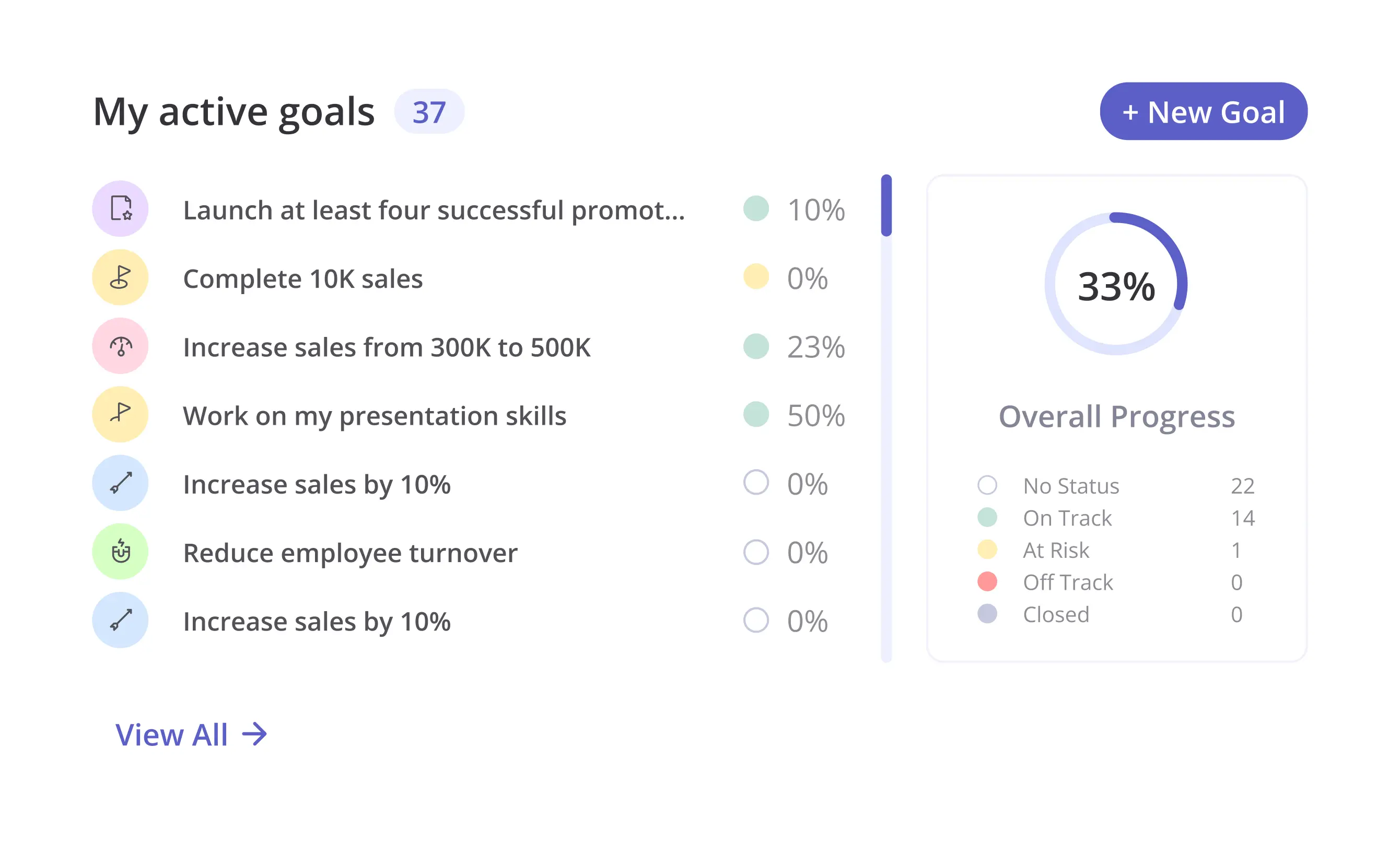
Most organizations know annual performance reviews don't work, but transitioning to modern alternatives feels overwhelming. Teamflect removes that complexity by bringing continuous performance management directly into Microsoft Teams.
Teamflect enables organizations to implement alternatives to annual performance reviews through an integrated performance management solution built specifically for modern work environments.
The platform supports whichever performance management model fits your organization best. Whether implementing continuous feedback, regular check-ins, goal-based reviews, or a hybrid approach, Teamflect adapts to your process rather than forcing you into a rigid framework.
For most organizations, yes. Annual reviews made sense when work changed slowly and managers supervised small local teams. Today's distributed workforces, rapid business changes, and emphasis on continuous improvement make once-a-year evaluations too infrequent to drive performance.
However, some highly regulated industries or unionized environments may still require annual documentation for compliance purposes even when supplementing them with more frequent feedback.
Feedback arrives too late to correct problems or reinforce success. Recency bias skews evaluations toward recent events while earlier performance fades from memory. Employees experience reviews as stressful judgment rather than supportive development. The annual cycle doesn't match how modern work actually happens, with projects shifting frequently and teams collaborating across locations and time zones.
No single alternative works best for every organization. Continuous feedback suits fast-moving teams that need real-time coaching. Regular 1:1 check-ins work well for building strong manager-employee relationships.
Goal-based reviews fit results-oriented cultures. Most high-performing companies combine multiple approaches, using continuous feedback for daily performance, regular check-ins for relationship building, and goal tracking for alignment.
Research and practice both show continuous feedback outperforms annual reviews in most modern work environments. Employees receive coaching when context remains fresh and correction stays possible. Performance visibility improves because issues surface early.
Manager-employee alignment strengthens through frequent interaction. However, continuous systems require discipline and tools to maintain consistency. Without structure, they can devolve into occasional comments rather than systematic performance management.
Modern approaches reduce the anxiety and judgment associated with annual reviews. Frequent performance conversations normalize feedback and make it feel supportive rather than threatening.
Employees get clearer direction because they receive input when it matters instead of months later. Development focus shows employees the organization invests in their growth. Lower stakes per conversation keep people open to feedback instead of defensive. The cumulative effect builds trust and engagement over time.
.avif)
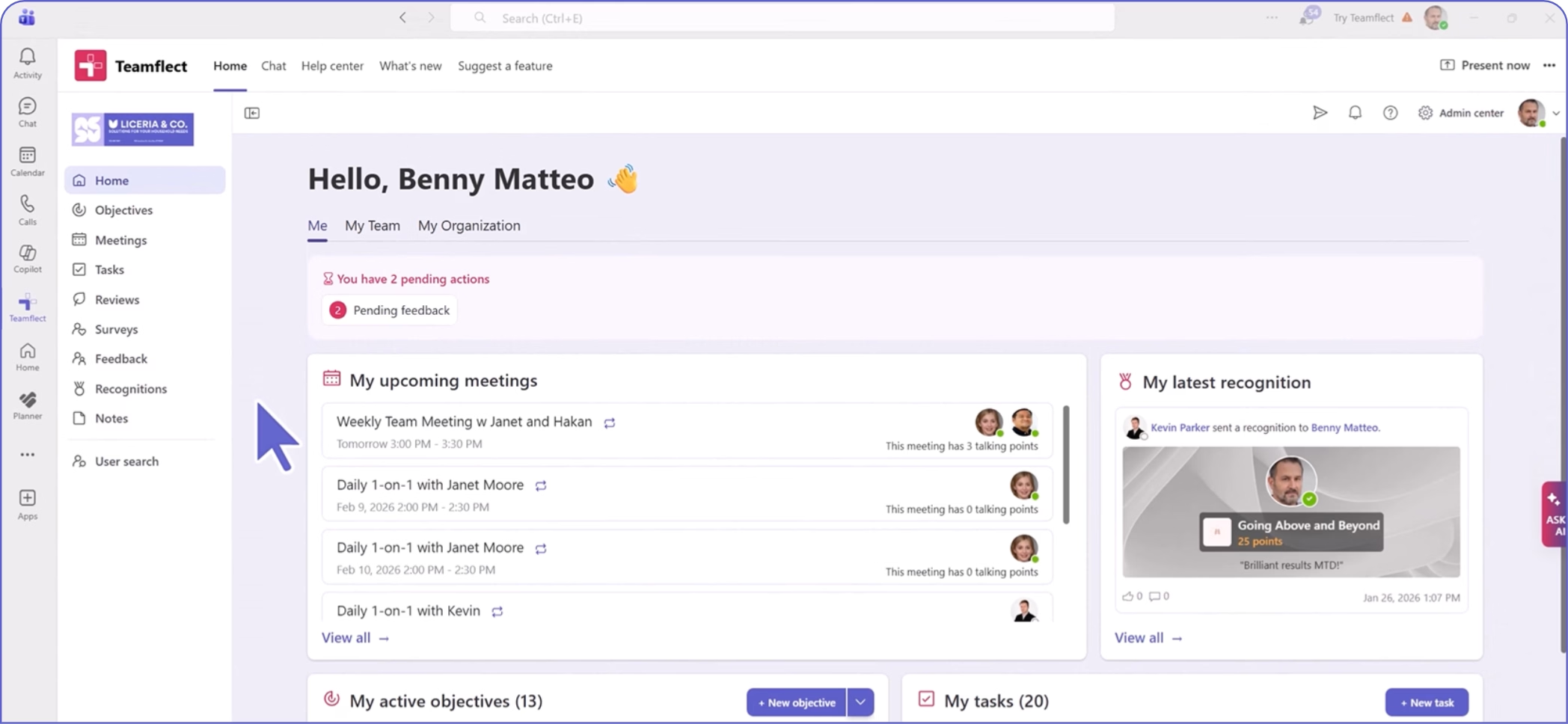
Create high-performing and engaged teams - even when people are remote - with our easy-to-use toolkit built for Microsoft Teams
.svg)


.webp)
