.svg)
.svg)
How to Build a Continuous Feedback Loop in the Workplace

Updated on:
December 12, 2025


Prefer Teamflect as your HR source on Google
.svg)

Performance management has transitioned from infrequent annual reviews to continuous feedback and real-time coaching, crucial for high-performing teams to stay aligned and productive.
While Gallup research indicates that engagement is highest when employees receive feedback a few times a week or more, frequency is only part of the solution.
To truly succeed, managers must deliver feedback that provides genuine value and integrate it with strategic recognition to improve employee receptiveness and overall impact.
The constant feedback approach shifts performance management from a backward-looking assessment to a forward-looking development tool. Managers share behavioral observations when they're fresh and relevant. Employees receive guidance they can act on immediately rather than months after the fact.
This feedback cycle operates on a predictable cadence, whether weekly check-ins or monthly performance check-ins. The structure makes feedback expected rather than surprising, which reduces anxiety and increases receptiveness.
Teams that implement ongoing feedback systems outperform those stuck in annual review cycles. The ability to adjust course quickly gives organizations a competitive edge in fast-moving markets.
Continuous performance feedback builds alignment between individual work and company goals. When managers provide regular input, employees understand how their daily tasks connect to broader objectives. This clarity drives better decisions at every level.
Performance surprises become rare. Instead of discovering problems during annual reviews, managers address issues when they're small and fixable. This approach reduces the risk of long-term performance gaps that damage both employee morale and business results.
Trust grows stronger when feedback flows in both directions. Employees who receive consistent input feel more valued and supported. They develop confidence in their manager's commitment to their success, which strengthens manager-employee alignment.
Key outcomes from implementing feedback cycles include:
While the benefits of continuous feedback are clear for any high-performing team, most organizations still operate under the traditional annual review.
The table below highlights the fundamental differences across eight critical dimensions, showing exactly where legacy annual reviews fall short and how a true continuous feedback culture transforms performance management into a competitive advantage.
Building a continuous feedback model requires more than good intentions. Successful systems share several core components that work together to create meaningful change.
Managers must actively watch for both strengths and areas for improvement in their team's work. This means being present during key moments, reviewing outputs, and tracking performance signals over time. Good observation focuses on specific behavioral observations rather than vague impressions.
Timing matters. Feedback loses impact when delayed. The most effective continuous performance management happens close to the observed behavior or outcome. This allows employees to connect the feedback directly to their actions while details are fresh.
Every feedback conversation should be recorded in a central system. Written records create a performance history that supports fair evaluations and tracks progress over time. Documentation also protects both managers and employees by providing clarity on what was discussed and agreed upon.
Feedback without follow-up is incomplete. Managers need to circle back to see if employees implemented suggestions and whether results improved. This coaching cadence shows employees their development matters and creates accountability for change.
The best feedback models emphasize growth over judgment. Managers should frame conversations around learning opportunities and skill development rather than only pointing out mistakes. This strengths-based coaching approach builds confidence and engagement.
Implementation starts with structure. Without clear processes, continuous feedback becomes inconsistent and loses effectiveness.
It is essential to define what continuous feedback looks like within your organization. This includes establishing how frequently managers are expected to give input, whether weekly, bi-weekly, or monthly, and clarifying which situations require immediate, in-the-moment feedback versus those best suited for scheduled check-ins.
Many managers naturally struggle with providing feedback effectively. Therefore, providing comprehensive training is critical for both positive reinforcement and constructive input delivery. The training should emphasize key attributes of high-quality feedback.
For continuous feedback to become routine, it must be built into existing workflows rather than being treated as an extra administrative task. Regular one-on-ones serve as the foundation for continuous performance discussions and should follow consistent agendas that allocate time for dedicated coaching conversations.
Choosing appropriate tools is vital to make recording feedback easy and efficient. Feedback software should integrate naturally into managers' daily work rather than requiring separate logins or complicated processes; the simpler the system, the more likely managers will use it consistently.
Continuous feedback operates optimally when it flows in multiple directions. Employees must feel comfortable sharing input with managers about what is working well and what may need adjustment.
It is crucial to link ongoing feedback directly to individual growth goals. When employees clearly see how coaching conversations support their career progression, they engage more deeply with the entire process, which transforms feedback from being merely corrective into being genuinely developmental.
Continuous improvement requires monitoring the health of your system. You must review how well your continuous feedback model is working by surveying both managers and employees about their experience and looking for data patterns that suggest where the process needs refinement.
Real workplace scenarios help illustrate how continuous feedback differs from traditional approaches. These examples show the model in practice across different situations.
Sarah, a marketing manager, notices that one of her team members handled a difficult client conversation exceptionally well.
Instead of waiting for the quarterly review, she sends a quick message the same afternoon:
This recognition moment happens when the behavior is fresh, reinforcing what good performance looks like and boosting employee engagement immediately.
During a project update, a manager notices that a developer is building a feature that doesn't align with the product roadmap.
Rather than letting the work continue for weeks, he schedules a quick feedback conversation:
This real-time feedback prevents wasted effort and keeps the team aligned with business goals.
A team lead observes that her team's stand-up meetings consistently run over time and lose focus. She brings this up during their next one-on-one:
This developmental feedback addresses a process issue quickly and involves the team in finding solutions.
A manager sees that two team members working on the same project haven't synchronized their approaches, creating duplicate work. He provides feedback to both:
This coaching conversation improves teamwork and resource allocation before the project falls behind schedule.
Even well-designed systems face obstacles. Understanding common challenges helps organizations address them before they derail implementation. The table below summarizes five key challenges, their root causes, and recommended solutions for building an effective continuous feedback system.
We also provided a more in-depth discussion of the specific challenges summarized in the table, offering granular context on the nature of each obstacle and the detailed steps required to implement the corresponding recommended fixes:
Some managers embrace continuous feedback while others stick to old habits. This creates inequality across teams and undermines the company culture you're trying to build.
The fix requires accountability. Track which managers are providing regular feedback and which aren't. Make feedback delivery part of manager performance evaluations. Consider using an employee review system like Teamflect, which shows completion rates for feedback activities.
Constant observation can feel intrusive if not balanced properly. Employees may interpret frequent feedback as micromanagement rather than support.
Address this by emphasizing developmental intent. Managers should frame feedback as coaching rather than surveillance. Regular recognition moments help employees see feedback as a tool for growth, not criticism.
More feedback isn't always better. Overwhelming employees with constant input, especially minor corrections, creates feedback fatigue and reduces receptiveness.
Set clear priorities for what deserves immediate feedback versus what can wait. Not every small mistake needs a conversation. Focus on patterns and high-impact issues that affect performance signals or team goals.
Vague feedback like "great job" or "needs improvement" doesn't help employees understand what to continue or change. This wastes everyone's time and frustrates employees seeking real guidance.
Require specificity in all feedback. Managers should describe exact behavioral observations and explain the impact. Training on how to clarify expectations helps managers give feedback that actually drives improvement.
Quick observations can be colored by recent events or personal preferences. Without structure, some team members may receive more favorable feedback than others for similar work.
Combat this through documentation and review. Regularly examine feedback patterns to ensure fairness. Encourage managers to track observations over time rather than reacting to single incidents.
Starting a continuous feedback loop is easier than maintaining it. Long-term success requires intentional culture work and systems that reinforce desired behaviors.
Feedback should become as routine as status updates or project meetings. When everyone expects regular input, the awkwardness disappears. Leaders are responsible for setting this tone by openly discussing their own feedback experiences and normalizing both giving and receiving input.
One-on-ones are the backbone of continuous performance management. These meetings shouldn't be optional or easily canceled. Instead, you must protect this time as a sacred space for manager-employee alignment and developmental feedback.
Sustainable feedback cultures must distribute responsibility beyond managers. Team members should feel empowered to share input with peers and even provide upward feedback to leadership.
People repeat behaviors that get rewarded. It's vital to link continuous feedback participation to performance evaluations, promotions, and other recognition systems. Managers who consistently deliver quality coaching conversations should be recognized for this skill.
Manual systems don't scale. As organizations grow, they need performance review software that makes feedback cycles effortless. The right tools send reminders, capture documentation, and surface insights without adding administrative burden.
Set quarterly checkpoints to assess your continuous feedback model. Survey employees about their experience and analyze patterns in feedback frequency, quality, and impact on performance signals.
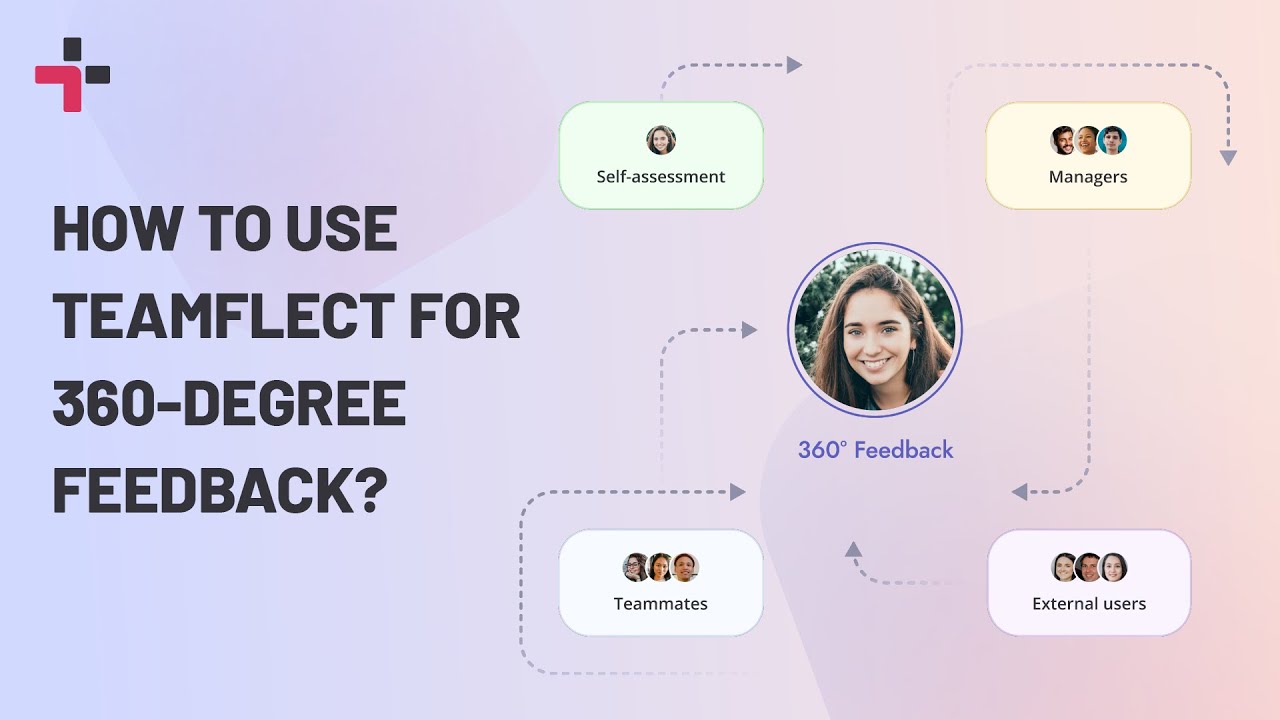
Teamflect is a feedback software built specifically for teams that want to move from annual reviews to continuous performance feedback without overwhelming managers or employees.
See how Teamflect transforms continuous feedback into a simple, integrated part of working in Microsoft Teams. Schedule your free demo today to take the first step in giving your teams the real-time coaching they need to succeed.
Feedback frequency depends on team complexity and employee experience level. Most teams benefit from weekly or bi-weekly coaching conversations through structured one-on-ones. Between these meetings, managers should provide real-time feedback on significant successes or issues within 24 to 48 hours. New employees typically need more frequent input during their first 90 days.
Continuous feedback focuses on development and course-correction through coaching conversations. Micromanagement involves controlling every detail of how work gets done. The key difference is trust. Good ongoing feedback empowers employees to solve problems themselves with guidance. Micromanagement removes autonomy and decision-making authority from employees entirely.
Prioritize high-impact behavioral observations over minor issues. Not every small mistake needs a conversation. Focus on patterns rather than one-time events, and balance constructive feedback with recognition moments using at least a 3:1 positive-to-corrective ratio. Schedule regular check-ins rather than providing constant, unpredictable input throughout the day.
Modern performance review software like Teamflect supports ongoing feedback through Microsoft Teams integration, automated reminders, documentation systems, and analytics. Look for platforms that make feedback cycles easy to maintain without adding administrative work. The best tools integrate into existing workflows rather than requiring separate logins or processes.
Ongoing feedback creates a rich documentation trail that makes formal reviews more accurate and less stressful. Instead of trying to remember an entire year of performance, managers have specific examples captured throughout the period. This leads to fairer evaluations, reduces recency bias, and gives employees fewer surprises during review conversations.
Capture the date, specific behavioral observations, the feedback delivered, employee response, and agreed-upon next steps. Performance management systems like Teamflect should make this documentation quick and searchable. Good records include both recognition moments and developmental conversations. Review documentation periodically to ensure it reflects complete performance patterns rather than just problems.
.avif)
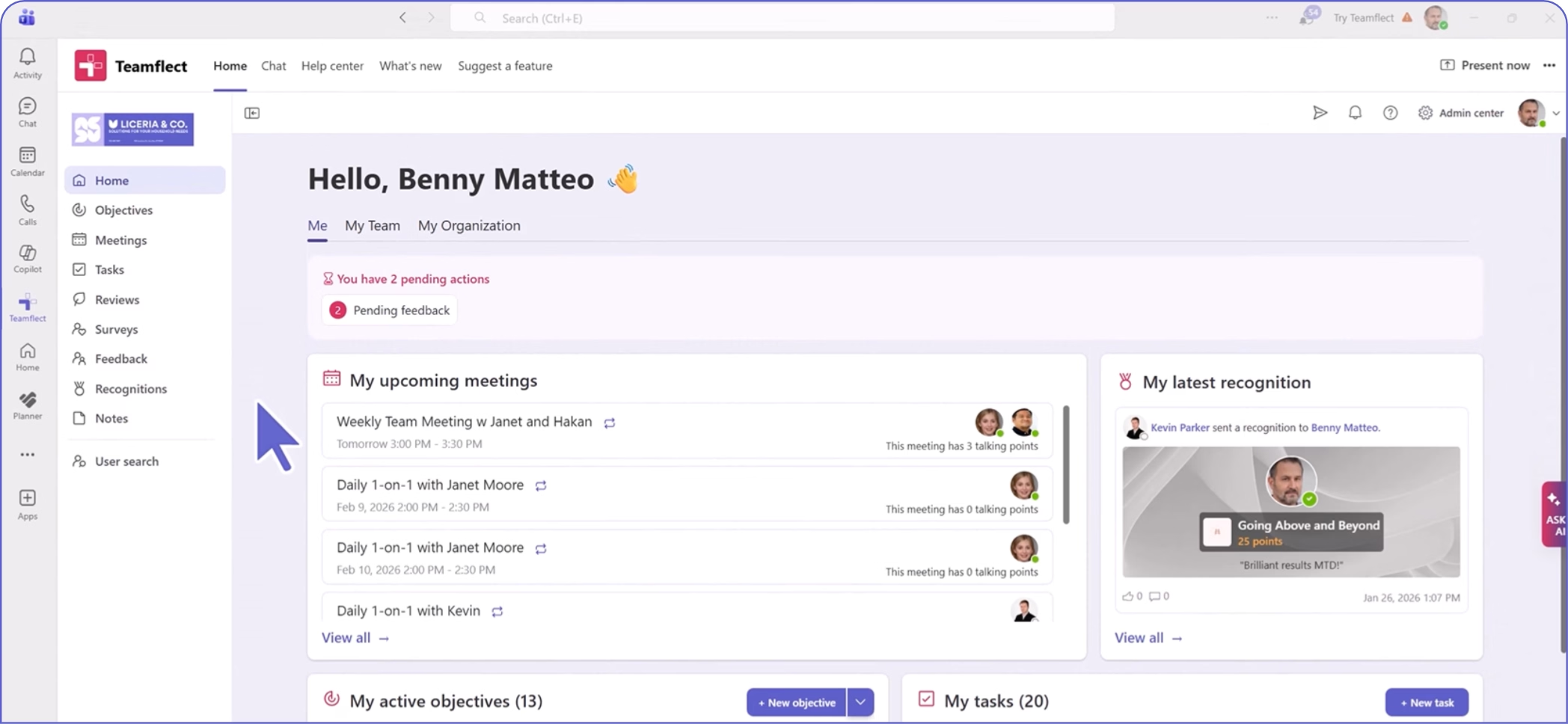
Create high-performing and engaged teams - even when people are remote - with our easy-to-use toolkit built for Microsoft Teams
.svg)


.webp)
