Organizations often treat performance management and talent management as interchangeable terms, but these frameworks serve distinct purposes in building high-performing teams.
Yet only 26% of companies in North America say their performance management system is effective, and just 44% report that it actually drives organizational performance, showing how often these processes fall short in practice.
Understanding the difference between talent management and performance management helps leaders allocate resources effectively and create systems that both drive results today and build capability for tomorrow.
TL;DR — Quick Summary
Performance Management: Focuses on current execution through goal setting, continuous feedback, performance reviews, and accountability—answering the question, “How well are people doing their jobs right now?”
Talent Management: Focuses on long-term people strategy through attraction, development, retention, and succession planning—answering, “Do we have the right people in the right roles for the future?”
Key Difference: Performance management optimizes current output, while talent management builds workforce readiness for tomorrow’s challenges.
Where They Overlap: Development planning, competency frameworks, leadership growth, and promotion readiness sit at the intersection of both systems.
Integration Matters: High-performing organizations connect performance outcomes to talent decisions, using review data to inform succession pipelines and development priorities.
Technology Bridge: Modern platforms with Microsoft Teams integration support both frameworks in one system, making the link between daily performance and long-term talent strategy visible and actionable.
What Is Performance Management?
Definition: Performance management is a continuous system that aligns individual work with organizational goals and holds people accountable for results. The framework operates through regular cycles of planning, execution, feedback, and evaluation.
Core components of performance management include:
Goal Setting and Alignment: Employees set objectives that connect their daily work to company strategy. These goals provide clarity on what success looks like and create shared expectations between managers and team members.
Continuous Feedback: Managers provide real-time input on work quality, behavioral observations, and course corrections. This ongoing dialogue replaces annual reviews with regular coaching conversations that improve performance incrementally.
Performance Reviews: Formal evaluations assess whether employees met their objectives and how they approached their work. These reviews inform compensation decisions, promotions, and development needs.
Accountability for Outcomes: The system tracks deliverables and measures results against agreed-upon standards. When performance falls short, managers address issues promptly rather than waiting months to intervene.
Performance Improvement Plans: Structured support helps struggling employees close skill gaps or resolve behavior issues. These plans set clear milestones and provide resources needed for successful course correction.
Performance management answers a fundamental question: “How well are people executing against current expectations?” The system's time horizon is typically short, focusing on quarterly or annual cycles rather than multi-year planning.
SHRM research shows that while 93% of organizations say driving performance is a key objective of performance management, less than half feel their current programs meet that goal, which is why continuous feedback and clearer accountability have become priorities.
📚 Recommended Reading: How important is performance management to an organization?
Definition: Talent management is a strategic approach to building organizational capability over time, involved in overseeing the entire employee lifecycle. The framework ensures companies have the right people in the right roles as business needs change and grow.
Core elements of talent management include:
Talent Acquisition: Attracting and hiring individuals whose skills and potential match current and future business requirements. This goes beyond filling open positions to building a talent pipeline for critical roles.
Learning and Development: Creating growth opportunities that expand employee capabilities through training, mentoring, stretch assignments, and formal education programs. Development planning connects individual aspirations with organizational needs.
Succession Planning: Identifying and preparing high-potential employees to fill leadership positions before those roles become vacant. A strong succession pipeline reduces risk when key people leave or retire.
Career Pathing: Mapping potential progression routes that show employees how they can grow within the organization. Clear paths increase retention by demonstrating commitment to employee futures.
Retention Strategies: Implementing programs that keep top performers engaged and committed. These initiatives address compensation, culture, growth opportunities, and work-life balance.
Talent management asks: “Do we have the people we need for tomorrow's challenges?” The focus extends beyond current job performance to include potential, adaptability, and long-term fit with evolving business strategy.
📚 Recommended Reading: The Ultimate Guide to Talent Management
Performance Management vs Talent Management (Side-by-Side Comparison)
The table below highlights how performance and talent management differ across critical dimensions. While both systems aim to improve organizational effectiveness, they operate on different time horizons and measure success differently.
Promotion readiness, retention rates, capability development
Employee Scope
All employees based on current roles
Often prioritizes high-potential employees and critical roles
Review Cadence
Continuous feedback with formal quarterly or annual reviews
Annual talent reviews with multi-year succession planning
Success Metrics
Productivity, quality, goal completion rates
Internal fill rate, bench depth, skill gap closure
Organizations need both systems working in concert. Performance management ensures today's work meets standards while talent management builds the organizational capacity needed for future success.
Where Performance Management and Talent Management Overlap
Several critical functions sit at the intersection of performance and talent management. These overlap areas create natural connection points where short-term performance data informs long-term people strategy.
Development Planning: Individual growth plans address both current performance gaps and future capability needs. A salesperson might need coaching on presentation skills (performance) while also preparing for a future sales leadership role (talent).
Competency Frameworks: Shared skill models define what good performance looks like today and what capabilities the organization needs tomorrow. These frameworks guide both performance evaluations and talent developmentinvestments.
Leadership Growth: Preparing people for expanded responsibility requires strong current performance plus additional capabilities. Management training programs address both the leadership skills needed now and those required for more senior roles later.
Promotion Readiness: Decisions about who moves up depend on performance history and potential assessment. Strong performers who also demonstrate growth capability become candidates for advancement and succession pipeline inclusion.
Performance Data as Talent Signals: Review outcomes reveal patterns about who consistently delivers results, who struggles with complexity, and who shows potential for bigger challenges. This information feeds talent review conversations and succession planning decisions.
Competency Development: Closing skill gaps identified in performance reviews builds the broader workforce capabilities that talent strategy requires. Training programs serve both immediate performance improvement and long-term capability building.
The overlap between these systems creates efficiency. Organizations that connect performance outcomes to talent decisions make better choices about development investments, succession plans, and retention priorities.
Talent Review vs Performance Review
While both reviews assess people, they serve different purposes and produce different outcomes. Confusing these two processes leads to incomplete information for critical talent decisions.
Aspect
Performance Review
Talent Review
Focus
Past performance and goal achievement
Future potential and promotion readiness
Audience
Employee and direct manager
Leadership team and HR
Frequency
Quarterly or annual
Annual or bi-annual
Output
Performance rating, compensation changes, development needs
Succession placement, high-potential identification, career trajectory
Questions Asked
“Did they meet expectations?”
“Can they handle bigger roles?”
Data Inputs
Goal completion, competency ratings, feedback history
Performance trends, leadership capability, business acumen, learning agility
Employee Involvement
Direct participant in discussion
Often not present during calibration
Timeframe
Evaluates a defined period (quarter or year)
Projects two to five years forward
Performance reviews assess how well someone executed their current job. Talent reviews assess whether someone should be prepared for different or bigger responsibilities. A strong performer in their current role might not be ready for advancement, while a solid performer with high potential becomes a development priority.
💡 Pro Tip
Smart organizations conduct talent reviews after performance reviews conclude. This timing ensures talent discussions incorporate the most current performance data while maintaining focus on future capability rather than past results..
When to Prioritize Performance Management
Certain organizational situations call for stronger emphasis on performance management systems and processes. These scenarios require immediate improvements in execution, accountability, or goal alignment.
Scaling Execution Across Growing Teams: Rapid hiring creates coordination challenges and inconsistent work quality. A robust performance management system ensures new team members understand expectations and receive feedback needed to meet standards quickly.
Improving Accountability and Ownership: When deliverables slip or results fall short of goals, organizations need clearer objective setting and more frequent check-ins. Performance management creates the structure that holds people responsible for commitments.
Aligning Teams to Strategy: Strategic shifts require everyone to understand new priorities and adjust their work accordingly. Goal cascading and regular reviews ensure individual efforts connect to updated company direction.
Addressing Underperformance Issues: Persistent quality problems or missed deadlines demand structured intervention. Performance improvement plans and documented feedback conversations provide the framework for course correction or separation decisions.
Preparing for Compensation Cycles: Fair pay decisions require objective performance data. Formal review processes create the documentation needed to justify raises, bonuses, and promotion decisions to both employees and leadership.
Meeting Compliance Requirements: Regulated industries often must document performance management activities. Structured review cycles and written feedback records satisfy audit requirements and reduce legal risk.
Teamflect, aperformance managementplatformwith goal tracking and review capabilities, makes these priorities manageable at scale. The system provides structure without creating excessive administrative burden for managers.
When to Prioritize Talent Management
Different challenges require greater focus on talent management strategy and long-term capability building. These situations threaten organizational sustainability if left unaddressed.
Leadership Pipeline Gaps: When key roles lack identified successors, the organization faces significant risk. Succession planning and high-potential development programs build the leadership bench needed for continuity.
High Turnover Among Critical Roles: Losing top performers or people with specialized skills disrupts operations and increases costs. Retention strategies, career pathing, and development opportunities reduce unwanted departures.
Skill Shortages for Future Needs: Business model changes or technology shifts create demand for capabilities the current workforce lacks. Talent acquisition and learning programs build the skills framework required for future success. In SHRM’s insights, HR leaders rank skills gaps and reskilling as top strategic concerns as technology and business models evolve.
Succession Risk from Aging Workforce: Organizations with many employees nearing retirement must prepare replacements before institutional knowledge walks out the door. Proactive talent reviews identify and develop internal candidates.
Competitive Talent Markets: Industries where skilled workers are scarce need strong employer brands and compelling career development opportunities. Talent management strategy differentiates companies when candidates have multiple options.
Rapid Business Growth: Expansion requires more people at all levels, particularly managers and leaders. Building a talent pipeline ahead of growth prevents capability constraints from limiting business opportunities.
Teamflect, which hastalent management software capabilities, helps organizations track succession pipelines, identify development needs, and monitor workforce readiness metrics that predict future capability gaps.
How High-Performing Organizations Connect Both
The most effective companies treat performance and talent management as integrated systems rather than separate functions. This connection ensures short-term performance data informs long-term people decisions.
Performance Input
Talent Outcome
Consistent goal achievement
Promotion readiness assessment
Feedback trends showing growth
Development program nomination
Review history across multiple roles
Succession pipeline placement
Competency ratings in leadership skills
High-potential identification
Performance during stretch assignments
Career pathing recommendations
Peer feedback on collaboration
Cross-functional leadership opportunities
Performance outcomes provide critical inputs for talent strategy. The table below shows how specific performance signals translate into talent actions.
This integration works in both directions. Talent management decisions also shape performance management activities. When succession planning identifies capability gaps, performance goals can include development objectives that build those missing skills.
Unified Data Architecture: Organizations maintain connected systems where performance review data feeds talent review conversations. Leaders see complete employee histories rather than fragmented information across disconnected tools.
Calibrated Review Processes: Talent reviews happen after performance cycles conclude, ensuring discussions about potential incorporate current performance reality. This sequencing prevents outdated information from driving critical talent decisions.
Shared Language and Frameworks: Both systems use common competency models and assessment criteria. This consistency helps managers and employees understand how daily performance connects to long-term career progression.
Development Planning That Serves Both: Individual growth plans address immediate performance needs while building capabilities required for future roles. This dual focus maximizes return on development investments.
Modern platforms with AI agent capabilities, like Teamflect, can surface patterns across performance and talent data that humans might miss. These insights help identify high-potential employees earlier and predict which interventions will most effectively close capability gaps.
How Teamflect Supports Performance and Talent Management Together
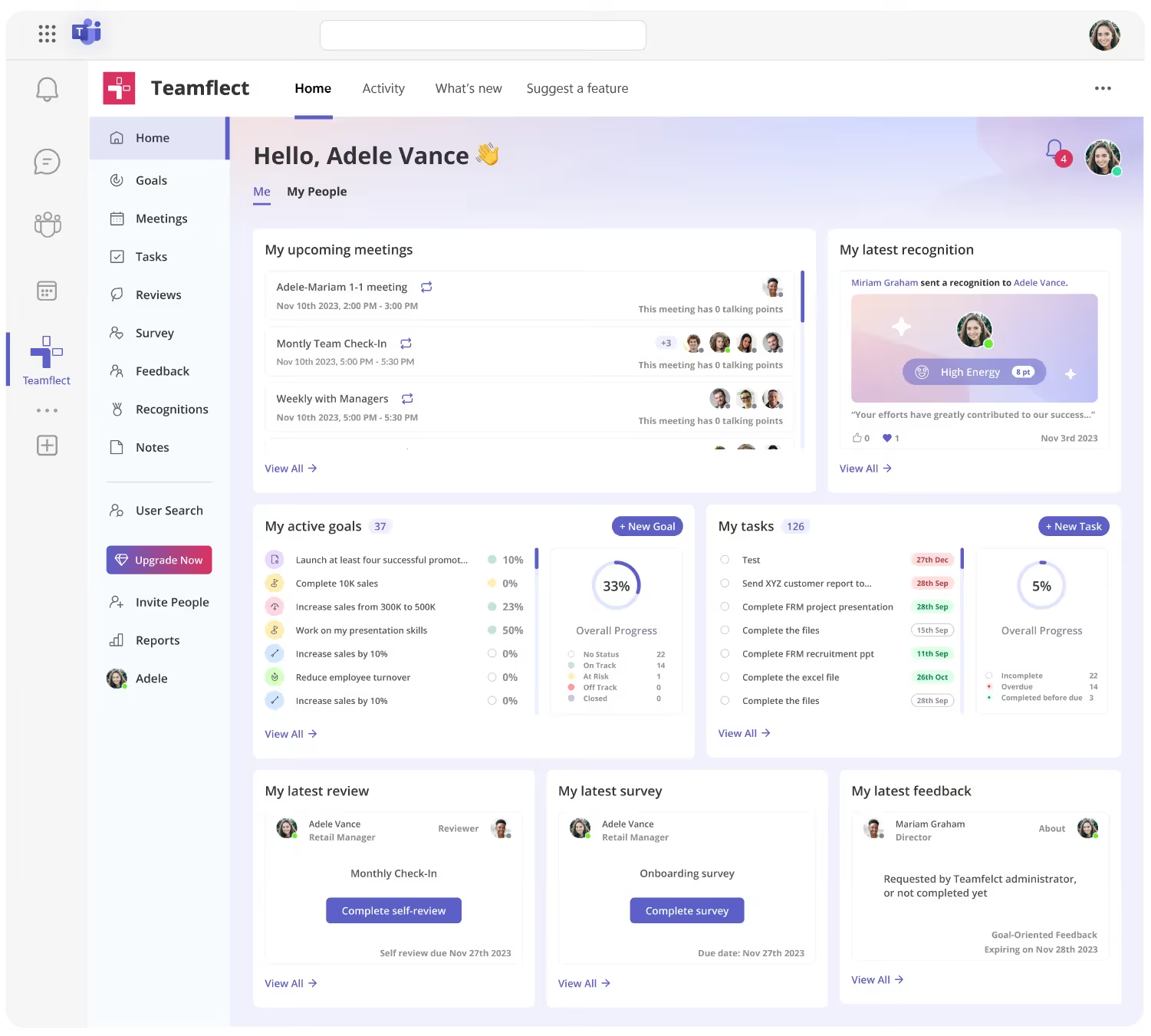
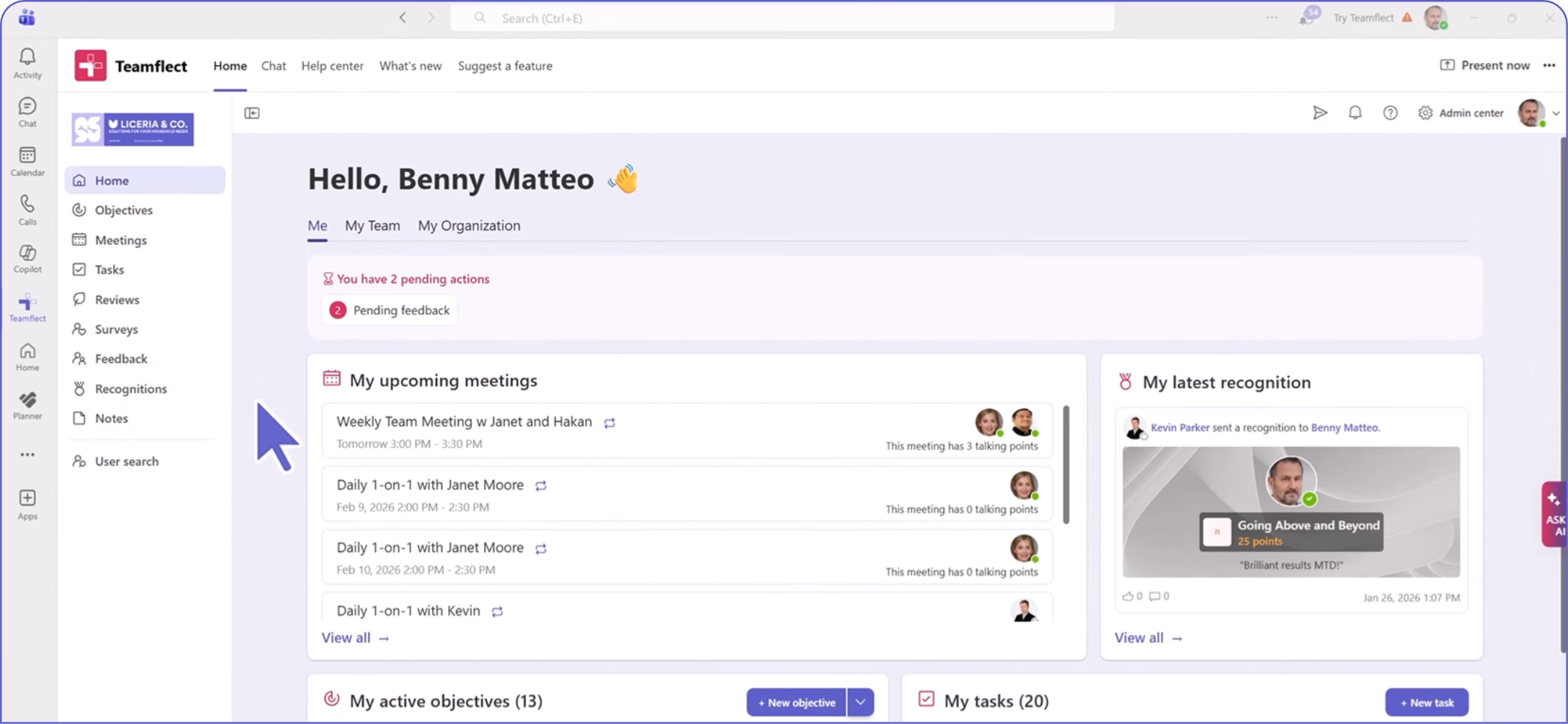
Teamflect brings performance execution and talent development together in one system, fully embedded in Microsoft Teams. Instead of managing goals, feedback, reviews, and development in separate tools, everything works as one connected flow.
Goal tracking for execution: Set and track individual, team, and company goals while keeping daily work aligned with strategy.
Continuous feedback in the flow of work: Managers give real-time coaching and recognition in Teams, creating an ongoing performance record.
Structured performance reviews: Run formal reviews with flexible templates and rating scales, turning performance data into clear outcomes.
Competency and skill assessments: Measure role-specific skills to identify strengths, gaps, and development needs.
Talent and succession insights: Use performance patterns to spot high-potential employees and succession candidates.
Development plans tied to performance: Connect review feedback to individual development plans and long-term career growth.
As an all-in-one platform that combines performance management and talent insights in one place, Teamflect helps organizations drive results today while preparing for what’s next. Would you like to learn more? Schedule your free demo today and have a product expert go over your talent and performance management needs with you.
Can a company have performance management without talent management?
Yes, but this approach limits long-term organizational capability. Performance management ensures current work meets standards, but without talent management, companies struggle with succession planning, skill development, and retention. Organizations that focus only on performance often face leadership gaps and high turnover when growth demands exceed workforce capacity.
Which comes first: performance management or talent management?
Neither comes first, because they’re overarching processes that must be implemented alongside each other. Both systems should operate continuously once implemented, with performance data feeding talent strategy and talent priorities informing performance goals.
How do performance reviews feed into talent reviews?
Performance review outcomes provide critical inputs for talent assessment. Consistent goal achievement signals promotion readiness while feedback trends reveal development needs and leadership potential.
Organizations conduct talent reviews after performance cycles conclude, using recent performance data alongside longer-term career trajectories to make succession and development decisions.
Is talent management only for high-potential employees?
No, though high-potential employees often receive focused attention in talent reviews. Effective talent management includes workforce planning for all roles, not just leadership positions.
Every employee needs development opportunities and career clarity. However, succession pipeline planning and intensive leadership programs typically concentrate on people assessed as ready for expanded responsibility.
Can OKRs be used for both performance and talent management?
Yes, OKRs serve both frameworks effectively. For performance management, OKRs set clear expectations and track current execution. For talent management, patterns in OKR achievement over time reveal which employees consistently deliver results and handle increasing complexity. Organizations can also include development objectives in individual OKRs, explicitly connecting current performance goals with capability building for future roles.
.svg)
.svg)


.svg)


.svg)
.avif)


.webp)
