.svg)
.svg)
Teamflect Q1 2026 Updates: Agent Inside the App, Monetary Rewards, Custom Goal Groups, and More
.svg)
0
min. read

Updated on:
May 7, 2026


Prefer Teamflect as your HR source on Google
.svg)

Q1 2026 is in the books, and our product team shipped a lot. From a smarter, more accessible Teamflect Agent to a fully overhauled Recognitions module, this quarter's updates touched almost every corner of the platform. Here is everything that went live between January and the end of March, plus a look at what is already in the pipeline for Q2.
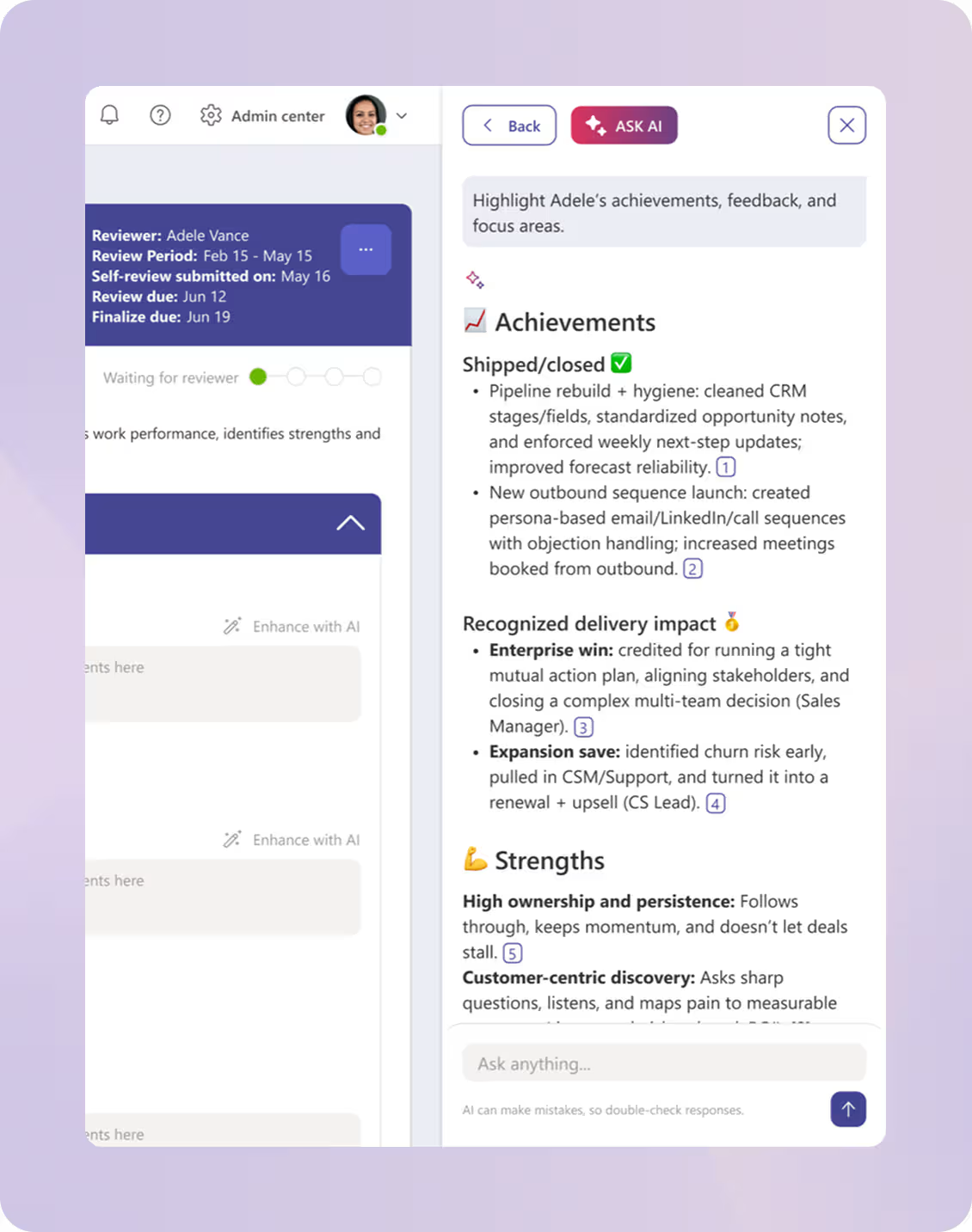
We launched Teamflect Agent at the end of last year, and the response has been better than we hoped. So we made it more useful in the most obvious way possible: by putting it everywhere you already work.
Teamflect Agent is now available directly inside the app. Whether you are managing goals, working through a performance appraisal, or tracking OKRs, you can click "Ask AI" and the Agent is right there with you. No tab switching. No separate chat box. Just contextual AI assistance, exactly when and where you need it.
If you have not tried Teamflect Agent yet, this is the quarter to start.
The Agent has always been able to pull from documents stored in your company intranet, which already made it sharper than a generic AI tool. This quarter, we widened the scope.
You can now upload internal documents directly to Teamflect Agent to grow its knowledge base. Policy handbooks, onboarding guides, training materials, leadership decks, anything your organization runs on can be fed in. The more context the Agent has about how your company actually operates, the more accurate and relevant its answers become for your people.
The result is an AI assistant that knows your company, not just your industry.
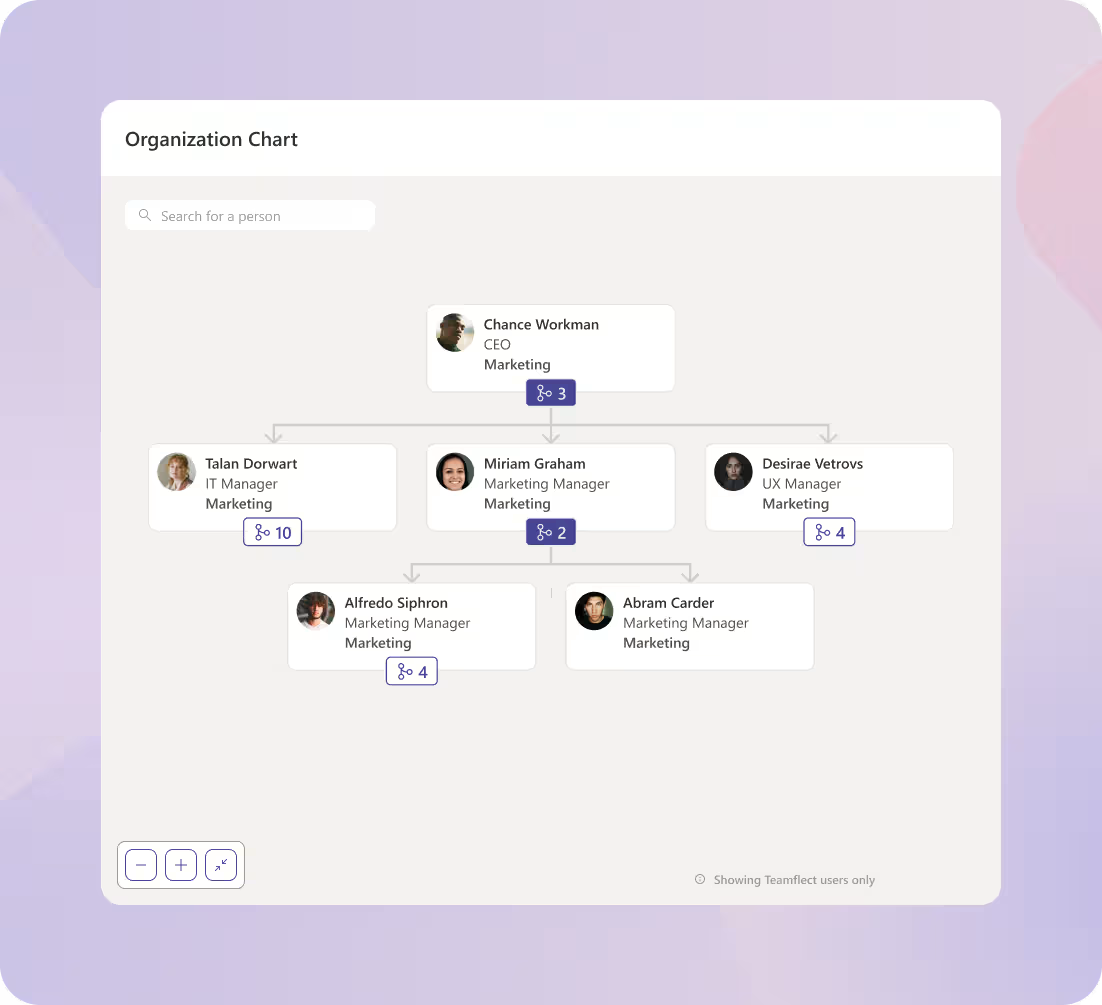
This one has been a popular request for a while. Your company's organization chart can now be displayed directly inside the My Organization page in Teamflect's intranet.
Teamflect already generates your org chart automatically. Now it sits in the intranet alongside everything else employees check during the workday. New hires can orient themselves faster. Managers can visualize reporting lines without digging through a separate HR system. And everyone in the company has a clear, always-accessible picture of how the organization fits together.
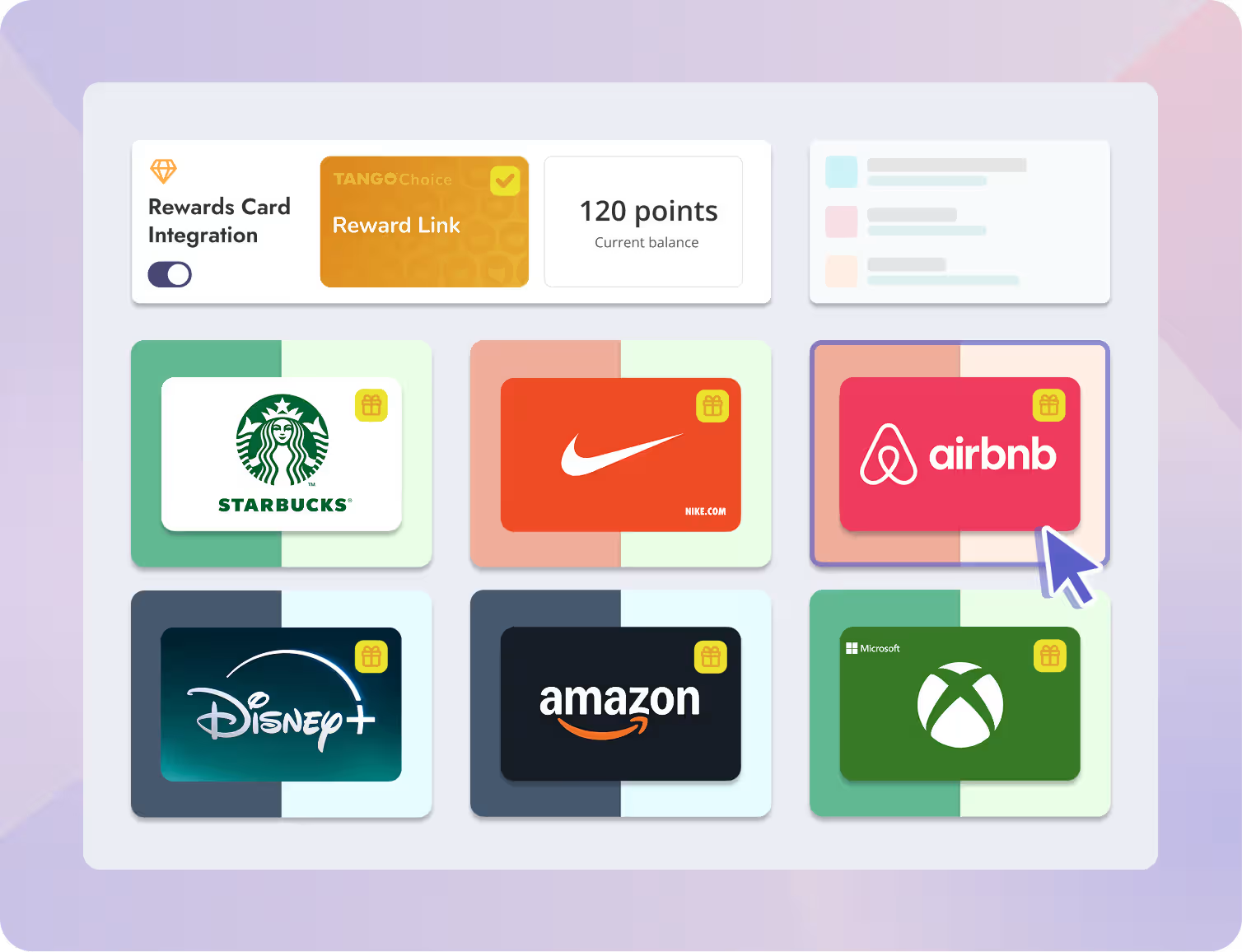
The Recognitions module saw the most concentrated work this quarter. Three updates landed, and together they meaningfully change how recognition feels day-to-day.
The headline change. Teamflect's rewards and recognition module is now connected to real monetary reward cards. Employees can earn reward cards redeemable across a wide range of brands, with options localized by region.
Recognition no longer stops at a kind message. It now comes with tangible value attached, which is what most engagement teams have wanted from peer-to-peer recognition all along.
A smaller addition with an outsized effect on energy. You can now react to recognition badges with emojis.
When a colleague gets called out for great work, their teammates can jump in and celebrate in real time. It sounds minor on paper. In practice, it turns the recognition feed from a one-way announcement board into something much closer to a conversation.
Some moments call for recognition that carries a bit more weight. Managers can now create manager-only recognition badges, reserved for formal achievements or anything that benefits from coming directly from leadership.
The change adds structure to your recognition program without removing any of its warmth.
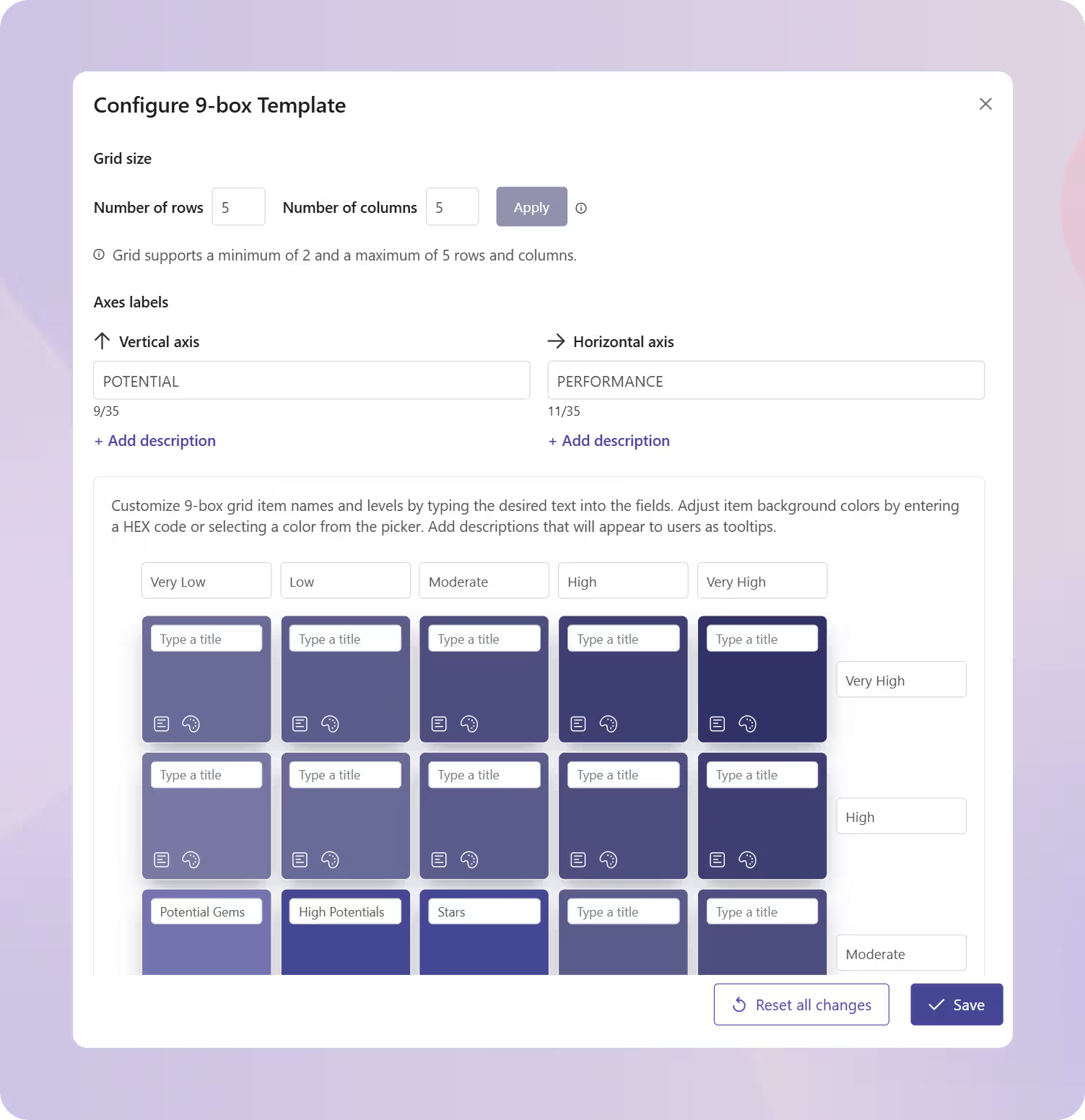
The 9-box grid has been a performance management staple for decades for good reason. It works. But sometimes nine boxes is not enough to capture the way your organization actually evaluates talent.
You could already customize the axes and individual boxes inside Teamflect's 9-box grid. Now you can expand the grid itself. Whether you need a 4x4, a 5x5, or any other configuration that fits your performance philosophy, the grid scales to match.
Your talent strategy is specific to your organization. Your tools should be too.
Most real work crosses departmental boundaries. Goal-tracking tools rarely reflect that.
This quarter we shipped custom goal groups, which let you assemble the right people from anywhere in the organization, assign a shared goal, and track progress together regardless of which team or department they sit in. For cross-functional projects, task forces, working groups, and any other initiative that does not map neatly onto your org chart, this is a meaningful unlock.
You can stop forcing project structures into team structures that were never built for them.
Teamflect now supports four additional European languages: Dutch, Polish, Swedish, and Danish. That brings our total supported language list to a number we are genuinely proud of, with more on the way.
The goal has always been to make Teamflect feel native wherever your teams are. For a growing list of European customers, Q1 brings that closer to reality.
A few of the items already in motion for the next quarter:
And so much more are in the pipeline for Q2. As always, we would like to thank every single member of the Teamflect community for their continued trust throughout the quarter.
Not a Teamflect user yet? Let's schedule a quick call to discuss your performance management needs!
.avif)
Create high-performing and engaged teams - even when people are remote - with our easy-to-use toolkit built for Microsoft Teams
.svg)