.svg)
.svg)
How to Run Performance Reviews for Remote Employees (2026 Guide)

Updated on:
January 23, 2026

Prefer Teamflect as your HR source on Google
.svg)

Running performance reviews for remote employees requires a different approach than in-office evaluations. Without daily face-to-face interaction, managers must rely on objective data, documented outcomes, and structured check-ins to assess performance fairly.
Yet despite the growth of hybrid and remote work, only 16% of organizations have actually changed their performance management approach to reflect these new models, leaving many remote employees evaluated with outdated methods.
Also, while managing from a distance presents challenges, the payoff is significant. Data from Gallup’s State of the Global Workplace report shows that fully remote staff lead in engagement at 31%, outperforming hybrid and on-site colleagues.
This guide shows you how to conduct remote performance reviews that drive real results.
In a distributed environment, the traditional "management by walking around" approach is no longer an option. For HR managers and leaders, evaluating staff from a distance requires a shift in mindset, as the physical cues used for decades to judge productivity have vanished.
Remote work changes how managers observe and evaluate performance. The informal performance signals that inform in-office reviews, like hallway conversations or visible work habits, don't exist in distributed teams. This creates specific challenges that require intentional solutions.
Reduced performance visibility makes assessment harder. Managers can't see who stays late to help a colleague or who jumps in during a crisis. The casual interactions that build trust and reveal work ethic happen less frequently or not at all.
Asynchronous communication delays feedback. When teams work across time zones, real-time feedback becomes impossible. Questions sit unanswered for hours. Misunderstandings that could be cleared up in 30 seconds take days to resolve through email threads.
Unconscious bias remains a major hurdle for fair evaluations. Managers naturally tend to favor employees they see more often, putting remote or distributed staff at a disadvantage. To ensure equity, reviews must move away from "face time" and rely strictly on documented evidence and objective criteria.
Without the ability to witness someone’s problem-solving approach or interpersonal energy in a room, observational impressions become unreliable. Remote performance evaluations must focus on concrete results and tangible outputs. Success is no longer about how someone works, but what they actually produce and deliver.
Evaluating distributed teams requires a shift in focus from "activity" to "outcomes." To ensure fairness and accuracy, HR managers must lean on data points that reflect true contribution rather than physical presence or digital activity markers.
The most reliable indicator of success is whether an employee delivered on their commitments. Tracking quarterly objectives, project milestones, and key results provides concrete evidence of impact that outweighs subjective impressions of effort.
Work quality is location-independent. By monitoring error rates, customer satisfaction scores, and peer review feedback, managers can maintain high standards across the board, ensuring remote staff are held to the same excellence as those in the office.
In a remote setting, clarity is a core skill. Evaluation should focus on how well an employee documents decisions, their proactivity in sharing updates, and their ability to convey complex ideas without requiring multiple rounds of clarification.
Since managers cannot see teamwork happening in person, they should track how employees support their colleagues and respond to group needs. Peer feedback is an essential tool here to capture the collaborative efforts that occur outside of direct manager sight.
Trust in a remote environment is built through consistency. Key indicators include meeting deadlines, arriving prepared for virtual meetings, and fulfilling commitments without constant reminders.
Preparation is the difference between a high-impact development conversation and a missed opportunity. For managers of distributed teams, the lack of daily physical presence means you must arrive at the meeting with a clear, documented narrative to ensure the review is fair, productive, and grounded in reality.
Don't rely on memory alone. SHRM's guidance for performance appraisals stresses the importance of keeping adequate records with specific examples and considering the employee’s performance over the entire review period, not just recent events.
Begin by pulling together all tangible evidence from the review period, including completed project files, goal-tracking dashboards, and customer testimonials. Re-visiting your one-on-one notes from the past few months will help you reconstruct a timeline of the employee's progress and challenges.
Look past isolated incidents to find recurring themes in the employee's work. Are there consistent strengths that should be leveraged more? Are there recurring bottlenecks needing support? Using centralized performance management software like Teamflect can help you visualize these trends by keeping all documentation in a single, accessible location.
Review the original objectives set at the start of the quarter. Compare what was planned against what was actually delivered, taking note of where priorities may have shifted due to organizational changes. This ensures the outcome-based evaluation is based on the agreed-upon scope of work rather than moving targets.
Since you cannot observe every interaction, gather perspectives from peers and cross-functional partners. Requesting written feedback is especially effective for remote teams, as it provides specific, documented examples of how the employee collaborates and contributes to projects outside of your direct supervision.
Avoid vague descriptors that offer little room for growth. Instead, anchor your feedback in hard facts and figures. Moving from "good at sales" to "exceeded quarterly targets by 15% through improved lead qualification" provides the employee with a clear understanding of what success looks like.
Transparency reduces the anxiety often associated with remote reviews. Send a clear list of discussion topics and self-assessment questions at least 48 hours in advance. This gives the employee the space to prepare thoughtful answers and ensures that neither party feels caught off guard during the call.
Remote conversations often require more verbal detail to replace the missing nuances of body language. Block out 60 to 90 minutes to ensure you can cover all points thoroughly. Rushing a review can make a remote employee feel like an afterthought, whereas a dedicated time slot signals that their development is a top priority.
Remote employee reviews need different questions than standard templates. You're evaluating how someone performs when you can't see them work, so the templates should focus on outcomes, communication, and remote-specific competencies.
Not only have we built a wide array of performance review templates for you but we've also categorized them in terms of format:
These templates work because it separates outcomes from how someone achieves them. Use them as a starting point, then customize based on role requirements and company culture.
Conducting a performance review through a screen requires a heightened level of intentionality. Without the benefit of shared physical space, managers must use a structured approach to ensure the message is clear, the tone remains supportive, and the employee feels truly heard and valued.

Manual performance review templates can only take you so far. Performance review software such as Teamflect can integrate an employee's goals within the review period, competencies associated with the role, 360 feedback, and other key facets of performance management into the performance evaluation.
We put together a list of the best performance review software of 2026 for you here: Top Performance Review Software
However, if you are in Microsoft 365, the best option for you would be Teamflect, an official Microsoft partner!

Start the call by setting the stage. Outline the purpose of the meeting, walk through the agenda, and confirm the total time blocked. It is also a good practice to verify that the technology is working perfectly and that the employee has the necessary documents open.
Begin the discussion with facts rather than feelings. Compare the commitments made at the start of the period against the actual results achieved. By letting the employee share their perspective on these targets first, you create a collaborative environment grounded in data before moving into more subjective territory.
Shift the focus from what was done to how it was done. Discuss the standards of their deliverables and provide specific examples of where they excelled or fell short. Ask about the unique obstacles they encountered while working remotely and how they navigated those challenges to reach their targets.
In a distributed team, skills like proactive communication and asynchronous collaboration are vital. Explicitly address how well the employee interacts across time zones and their ability to keep teammates informed. These behaviors are the glue that holds remote teams together and should be treated as core performance metrics.
Avoid the "compliment sandwich" or saving all critiques for the end, which can feel jarring over a video call. Instead, weave strengths and areas for growth throughout the conversation. This balanced approach ensures that remote employees understand their value while clearly seeing their path for improvement.
By the end of the meeting, agree on two or three specific areas for professional growth. Clearly define what success looks like for each priority and outline exactly what resources or support you will provide to help them succeed. This turns a backward-looking review into a forward-looking growth plan.
To prevent "digital drift," summarize and document the key takeaways and agreed-upon goals before ending the call. Sharing your screen or using a collaborative document during the meeting ensures there are no misunderstandings regarding the next steps or expectations.
A performance review should never be an isolated event. Conclude the meeting by scheduling your next check-ins to track progress on development goals. Clarify when the next formal review will occur, so the employee knows exactly when and how their growth will be measured again.
Maintaining high standards in a distributed environment requires a shift from informal observation to disciplined documentation. By applying these best practices, HR managers can eliminate the uncertainty often associated with remote evaluations and ensure every team member is judged on a fair, objective basis.
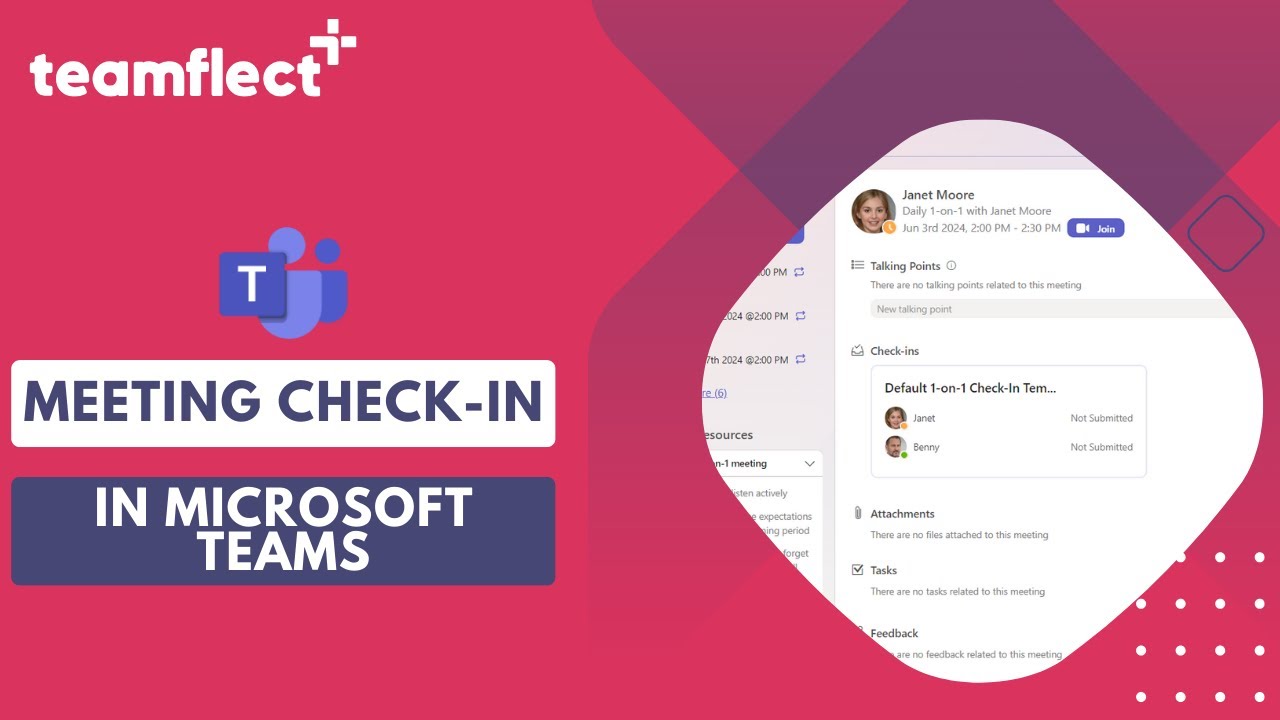
Success in remote work relies on preventing the "information gap" that occurs between formal reviews. Weekly or bi-weekly one-on-ones ensure that issues are identified and corrected in real-time.
These regular touchpoints build a continuous narrative of performance, so the final review becomes a summary of known progress rather than a collection of surprises.
While a "good job" during a video call is helpful, it lacks a permanent record. Documenting positive feedback and areas for growth as they occur creates a reliable evidence base. This practice is essential for fighting recency bias, or the tendency to only remember what happened in the last two weeks.
Ensure that meeting notes, project outcomes, and peer feedback live in a single, accessible system. Using a dedicated platform ensures that both the manager and the employee can refer back to the same data points throughout the year. This transparency prevents disputes and keeps the focus on agreed-upon facts.
Remote employees are at a higher risk of feeling disconnected or invisible. Go beyond private acknowledgment by sharing wins with the broader team in public channels. Specific, public recognition reinforces company values and ensures that a remote worker’s impact is understood by the entire organization.
Vague suggestions for improvement are often ignored because they lack clarity. Every development area must be tied to a specific action, success criterion, and deadline. For example, instead of asking an employee to "be more proactive," set a goal for them to "submit a project status report every Friday by 5:00 PM."
Text-based communication like email or chat is prone to tone-deafness and misunderstanding. For formal reviews, video calls are non-negotiable. They allow both parties to read facial expressions and body language, which helps maintain empathy and ensures the nuances of the feedback are correctly received.
To ensure equity across the organization, every manager should use the same review templates, rating scales, and criteria. Standardization is the most effective way to reduce proximity bias and ensure that promotions or compensation decisions are based on merit rather than who happens to be in the office more often.
Base your conclusions on tangible data: project completion rates, customer satisfaction scores, and peer reviews. When a review is grounded in evidence rather than "gut feeling," remote employees feel the process is fair, which significantly boosts engagement and trust in leadership.
Conducting performance reviews remotely introduces specific obstacles that don't exist with in-person evaluations. Recognizing these challenges helps you design solutions before they become problems.
Fairness is the cornerstone of a successful distributed culture. For HR managers, the greatest risk in remote performance management is the "out of sight, out of mind" phenomenon, where physical presence is mistakenly equated with productivity.
To build a truly equitable system, you must replace subjective impressions with a framework built on data and transparency.
When performance is tied to clear, measurable Objectives and Key Results (OKRs), the focus shifts from how an employee works to what they actually achieve. This outcome-based approach eliminates guesswork and ensures that every team member is judged against the same predefined benchmarks.
Because managers cannot observe every digital interaction, peer input is vital for a complete picture. Ask specific, behavior-based questions regarding responsiveness, documentation quality, and team support. This 360-degree view uncovers the "hidden" collaborative contributions that are essential for remote success but often invisible to leadership.
Objectivity requires a move away from memory-based reviews, which are prone to recency bias. Managers should record wins, setbacks, and feedback in real-time throughout the year. Having a centralized log of events ensures that the final review reflects the entire performance period rather than just the most recent project.
Remote work should not mean a change in professional standards. Every employee, regardless of their location, should be evaluated using the same core competencies and rating scales. Standardizing these criteria ensures that the path to promotion or a high rating is transparent and fair for everyone in the organization.
Bias is often unconscious. HR should actively train managers to recognize "proximity bias" (favoring those in the office) and "availability bias" (favoring those who respond fastest to messages). Simply making leaders aware of these mental shortcuts can significantly reduce the likelihood of unfair ratings.
Manager enablement involves equipping leaders with the training and data-driven insights necessary to eliminate unconscious biases and fairly evaluate performance based on results rather than physical presence.
Train managers on remote-specific types of bias in reviews. Make managers aware of proximity bias, availability bias, and other patterns that hurt remote workers. Awareness alone reduces unfair ratings significantly.
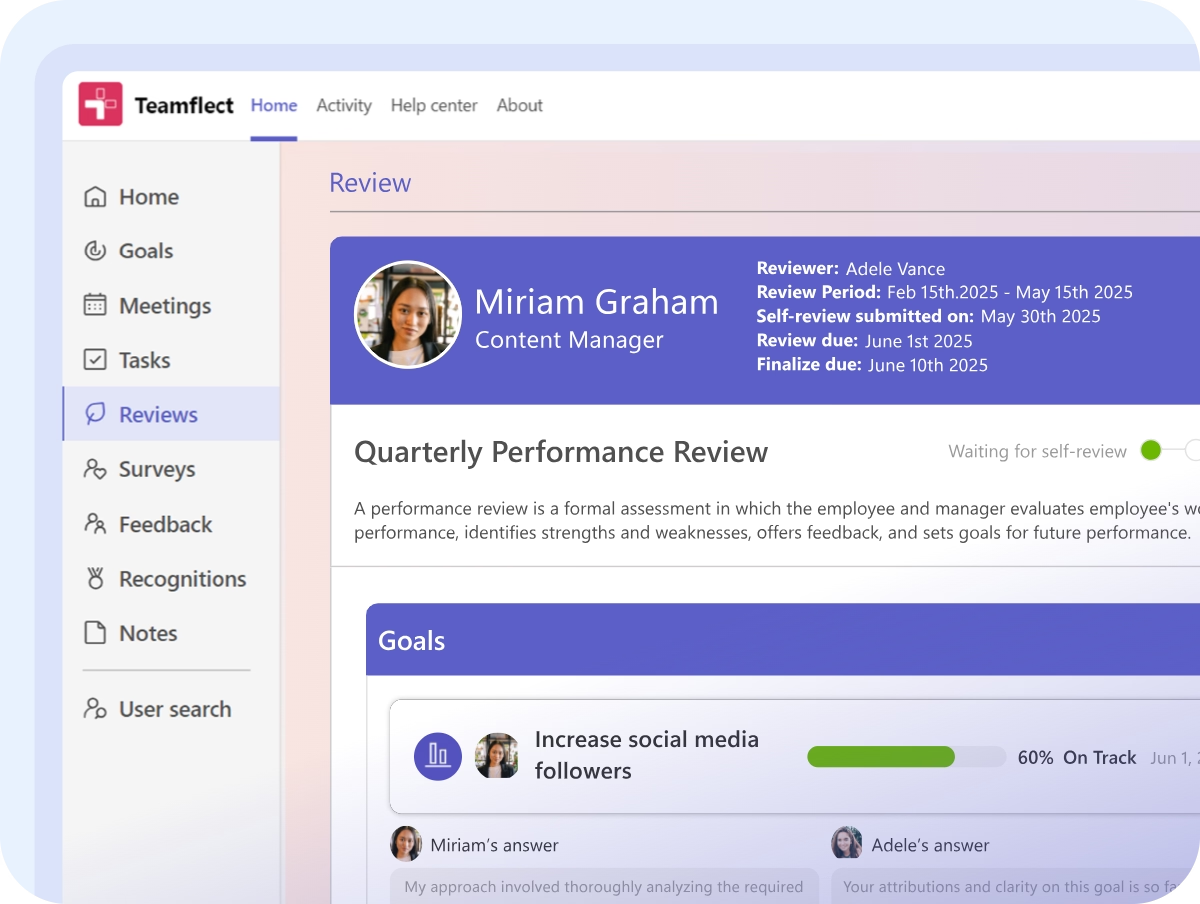
Conducting remote performance reviews gets exponentially harder without the right infrastructure. Scattered digital feedback, missing documentation, and manual tracking create blind spots that undermine fair evaluation.
Teamflect is built specifically for distributed teams working in Microsoft Teams. As an all-in-one performance review software, it centralizes everything managers need to run objective, data-driven reviews.
Teamflect handles the administrative burden, so managers can focus on what actually matters: helping remote employees grow and succeed. Schedule a demo today to learn more.
Base evaluations on documented outcomes, goal achievement, and objective data rather than performance visibility or perceived effort. Use consistent criteria for all employees regardless of location. Collect peer feedback to capture collaboration and communication effectiveness that managers might miss.
Not when done properly. Remote reviews can actually be more objective because they force managers to rely on documented evidence rather than subjective impressions. The key is building systems that track performance consistently throughout the review period.
Formal reviews should happen at least quarterly for remote workers. More frequent check-ins, ideally weekly or biweekly, prevent issues from escalating and create the documentation trail needed for fair annual evaluations. Harvard Business Review suggests semi‑annual or quarterly evaluations as a better fit for remote contexts, giving managers more opportunities to provide real feedback and employees more chances to adjust.
A performance review software such as Teamflect, which is designed for distributed teams, streamlines online employee performance reviews. Teamflect offers goal tracking, continuous feedback, one-on-one documentation, and automated review cycles all integrated into Microsoft Teams where remote employees already work.
Address underperformance immediately through structured one-on-ones with clear expectations and timelines. Document specific performance gaps, create measurable improvement plans, and schedule weekly check-ins to track progress. Remote underperformance often stems from unclear expectations or insufficient support rather than poor effort.

.svg)
.avif)
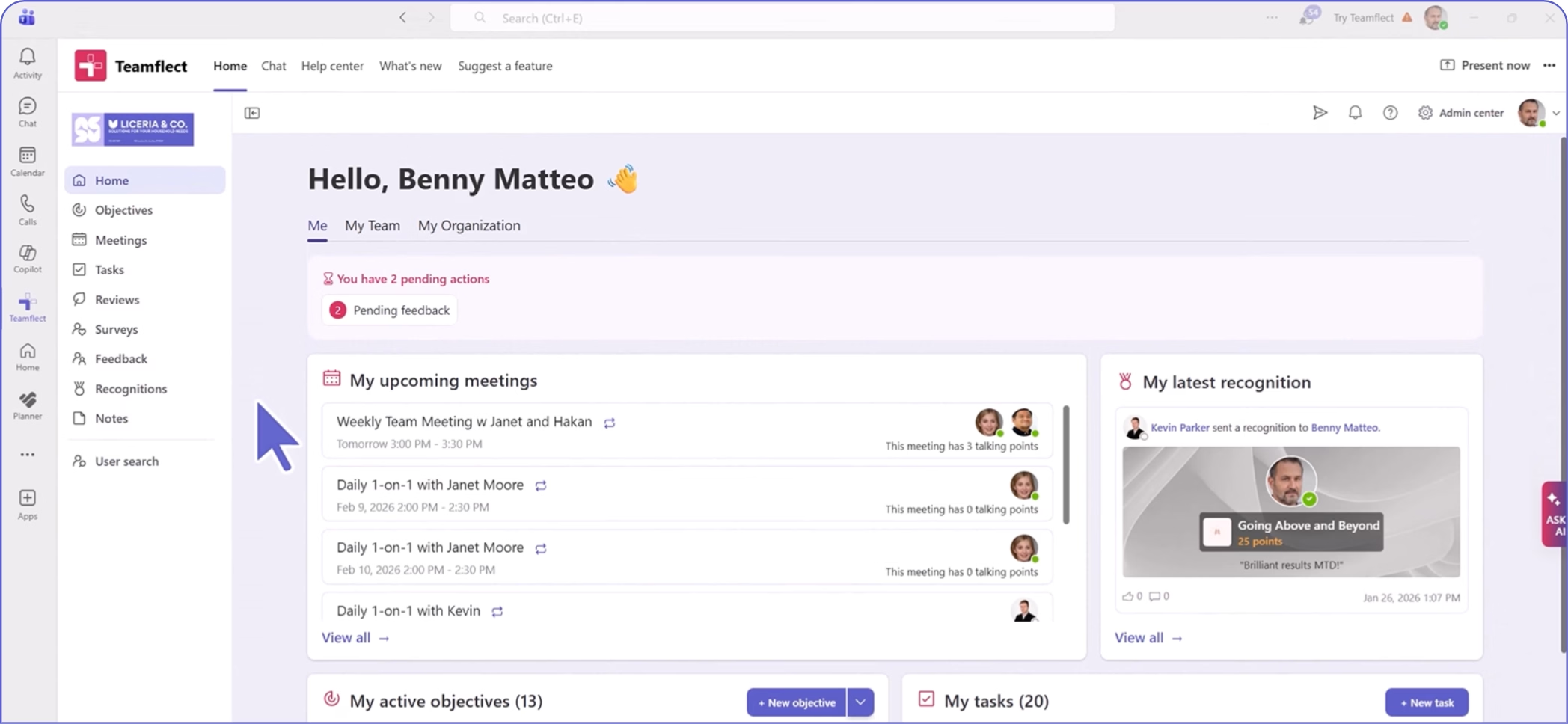
Create high-performing and engaged teams - even when people are remote - with our easy-to-use toolkit built for Microsoft Teams


.webp)
